
I grew up in upstate New York where “news” used to travel the way a winter wind does, not all at once, but in gusts. My grandfather and I would walk old roads near long-forgotten markers, and he would say, “Imagine waiting weeks to learn what happened yesterday.”
That is the Treaty of Ghent story in a nutshell. Peace was signed on paper in Europe, but it reached the North American front lines like a message passed hand-to-hand through mud, snow, and salt spray. The war’s most famous postscript, the Battle of New Orleans, happened in the gap between ink drying in Belgium and orders arriving on the Gulf Coast.
Why the delay mattered
Modern brains want a clean before-and-after: treaty signed, fighting stops. In late 1814 and early 1815, armies were not plugged into any instant network. For true long-distance news, the fastest option was often a fast ship with a fair wind, and even that could be stalled by winter storms, contrary currents, or a captain choosing a safer route over a faster one.
Even once a vessel reached a port, the last mile could be brutal. Dispatches had to be copied, stamped, bundled, entrusted to riders and packet boats, and forwarded through chains of command. A general could not simply accept a rumor of peace, not when a false report could get men killed and a fort taken.
If you want the broad scaffolding of the war to hang this on, start with our War of 1812 timeline guide, then come back here for the slow-motion drama of how the peace actually traveled.
Treaty of Ghent timeline
August 1814: Negotiators gather in Ghent
American and British commissioners assembled in Ghent (in today’s Belgium) to begin formal negotiations. By this point the war had been grinding for two years, and both governments were feeling strain. Britain was also juggling the tail end of the Napoleonic Wars and the massive costs that came with them.
September 1814: Fighting continues while talks drag on
In North America, fighting did not pause for diplomacy. That same month the British assault on Baltimore failed at Fort McHenry, and the bombardment helped inspire what became the U.S. national anthem. If you have not, read our deep dive into why the attack did not break the fort at Fort McHenry: Why the Bombardment Failed.
Late fall 1814: Terms narrow, but the Atlantic widens
As negotiators argued over boundaries, fishing rights, and the future of Native nations caught between empires, the season turned. That matters because winter weather meant slower crossings and more dangerous sailing. A peace message signed in December would be chasing some of the worst seas of the year.
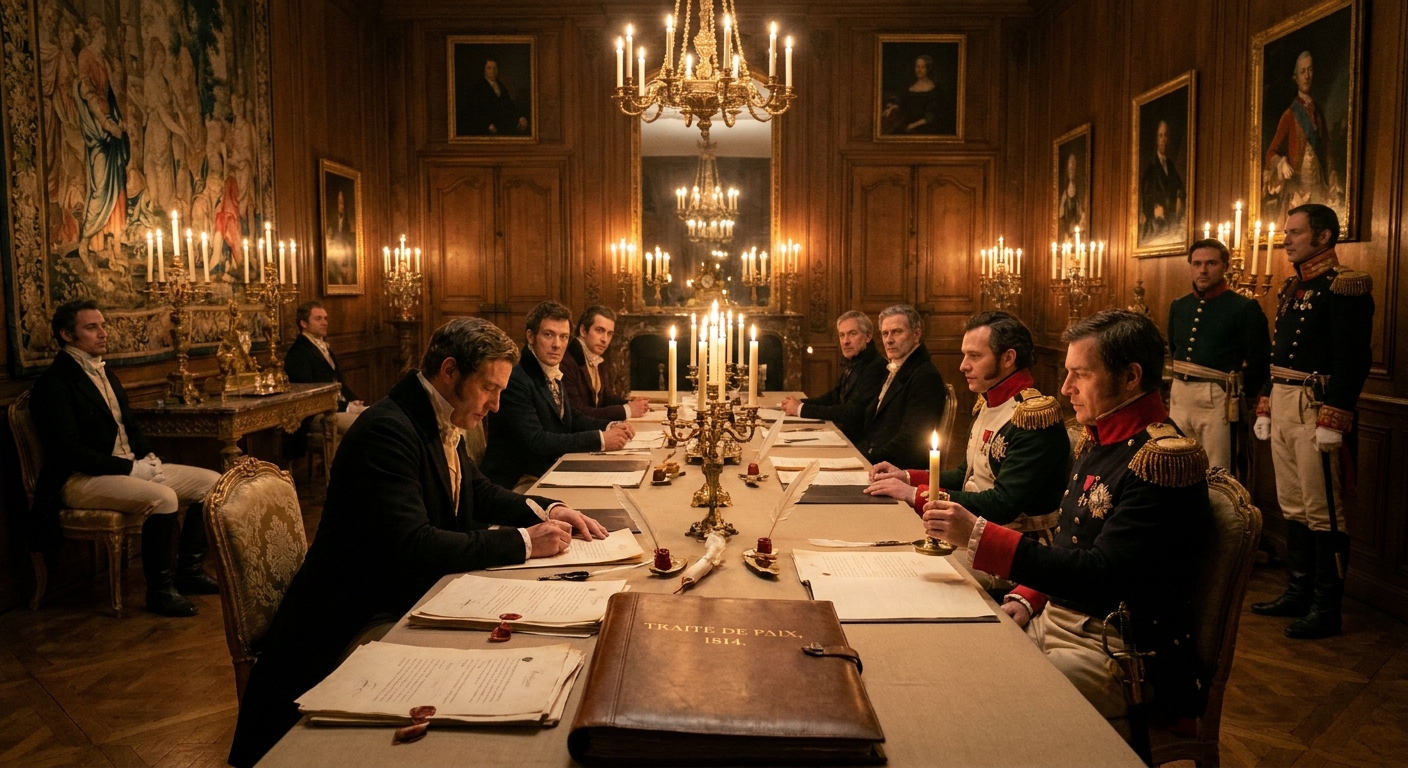
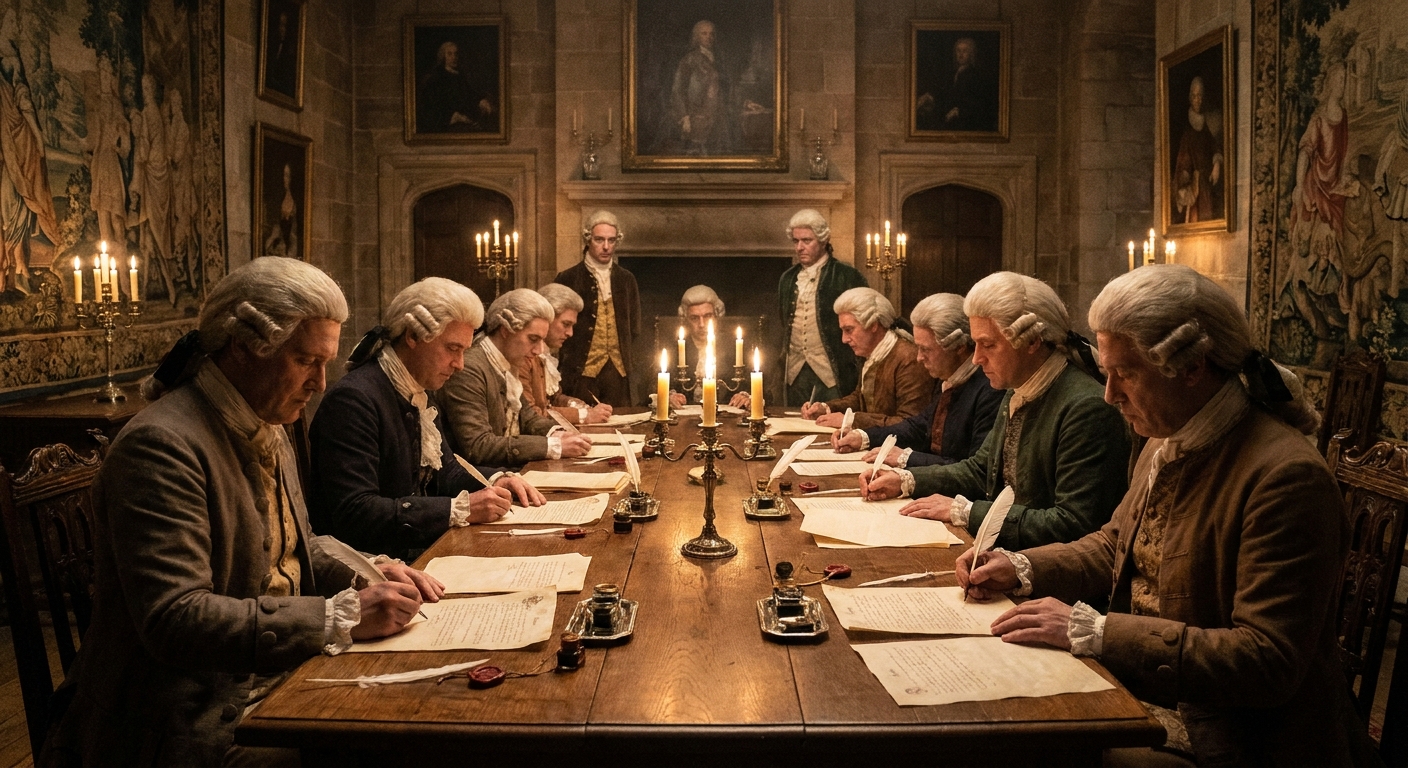
December 24, 1814: The treaty is signed
On Christmas Eve, the treaty was signed. Its heart was deceptively simple: both sides would return conquered territory and aim for a status quo peace. But the fine print mattered. It set up boundary commissions to sort out disputed lines, and it included language about restoring rights and possessions to Indigenous nations, a promise that proved hard to enforce on the ground once the guns went quiet.
And simple language does not stop armies by itself. The treaty still had to be delivered, ratified, proclaimed, and communicated down to commanders who were, quite literally, in the field.
Late December 1814 to January 1815: The message moves to the sea
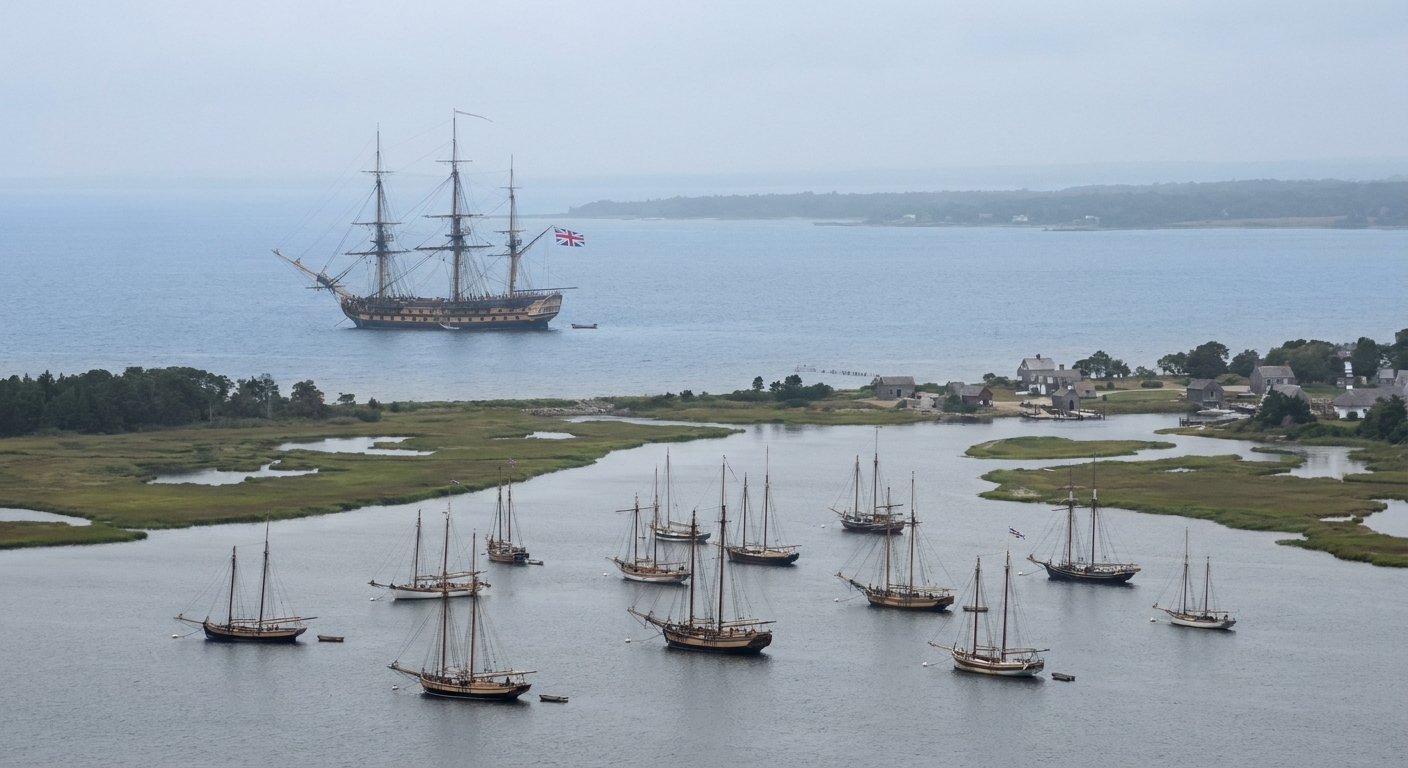
After signing, official copies and dispatches had to move from Ghent to a port, then onto a vessel willing to run a winter Atlantic. Even in good seasons, crossings commonly took weeks. In winter, headwinds and storms could stretch that longer, and no one at New Orleans could afford to bet their lives on a best-case passage.
January 8, 1815: The Battle of New Orleans is fought
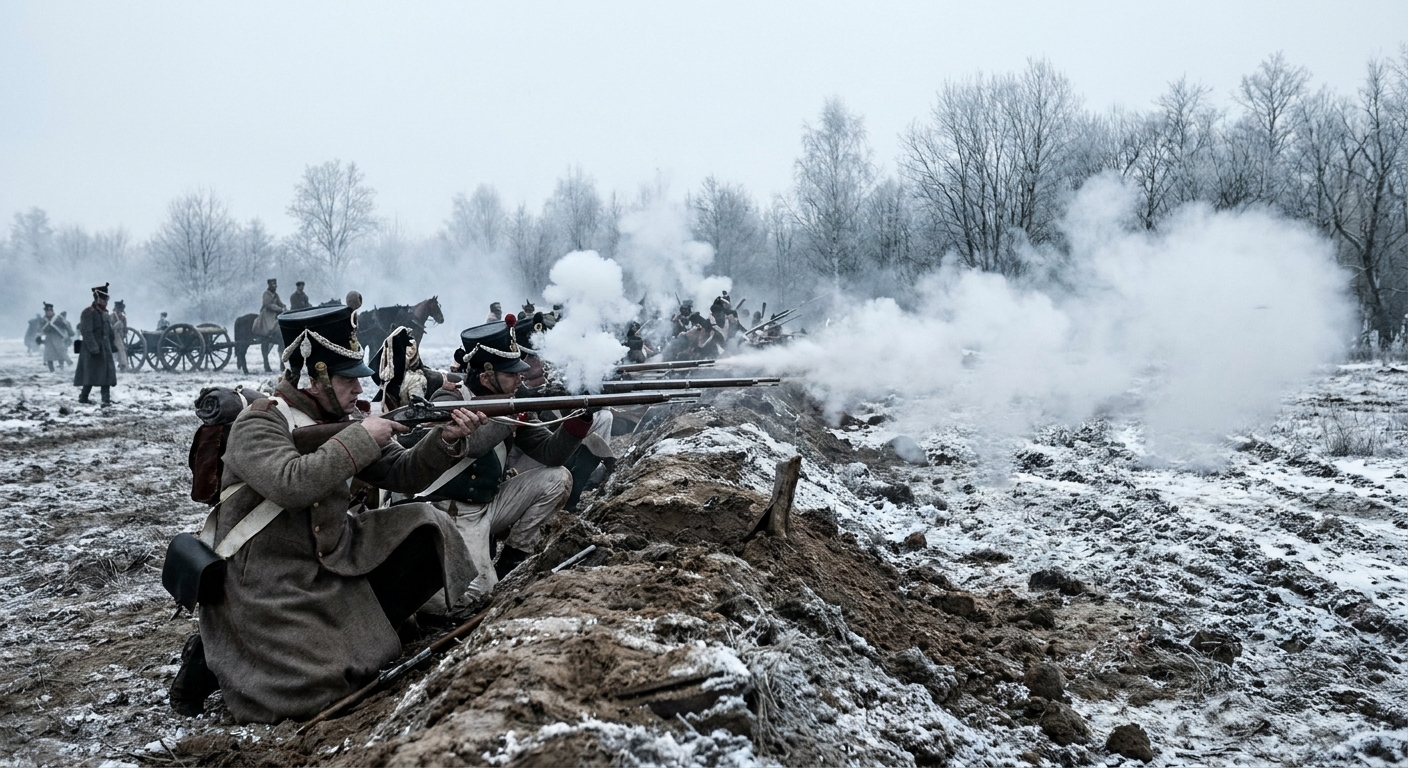
Before reliable word of peace reached the Gulf, British forces attacked outside New Orleans. Andrew Jackson’s defensive line held, and the battle became an American legend almost instantly. But it is crucial to remember what makes it tragic: soldiers died after peace had already been signed, because the peace had not arrived.
New Orleans was also not the only post-Ghent clash, just the most famous. Other operations and actions continued into early 1815 in different corners of the war, driven by distance, momentum, and the simple fact that orders did not travel at the speed of intention.
To understand the local mix of regulars, militia, and Gulf Coast operators who shaped that campaign, see Jean Lafitte’s Pirates vs. Regulars at New Orleans.
February 1815: Ratification, proclamation, and the slow unwind
In the United States, the treaty still needed Senate ratification. That vote came on February 16, 1815, followed shortly after by formal proclamation. Britain, too, had to bring the agreement into force on its end. None of that instantly reached scattered units across a continent and along a ragged coastline.
Some commands learned of peace relatively quickly because they sat near major ports or headquarters. Others, posted on remote waterways or near frontier forts, lived with uncertainty longer. There was no single moment when the continent exhaled.
How long did peace take to arrive?
From the signing on December 24, 1814, to the Battle of New Orleans on January 8, 1815, only about two weeks passed. That is the gut punch. Two weeks was not enough time for confirmed transatlantic communication, winter or no winter.
But “the front lines” were not a single place. News reached different regions on different schedules because it depended on:
- Which ship carried the first credible dispatch and where it landed.
- Weather and sea state, especially during winter crossings.
- How quickly messages were duplicated and forwarded through civil and military channels.
- The distance from a major port to a commander’s post, often by muddy road, frozen track, or river route.
- Trust, because commanders needed confirmed orders, not dockside gossip.
Why rumor was not enough
There is another hard truth buried in all this: commanders had reasons to wait for official confirmation. A false peace could invite disaster. Even a true peace, carried by hearsay, raised questions about prisoners, supply movements, and who was authorized to stand down first. Add in prize-taking at sea and local objectives on land, and you can see why “we heard something in port” did not count as an order.
New Orleans was not “pointless” to the men there
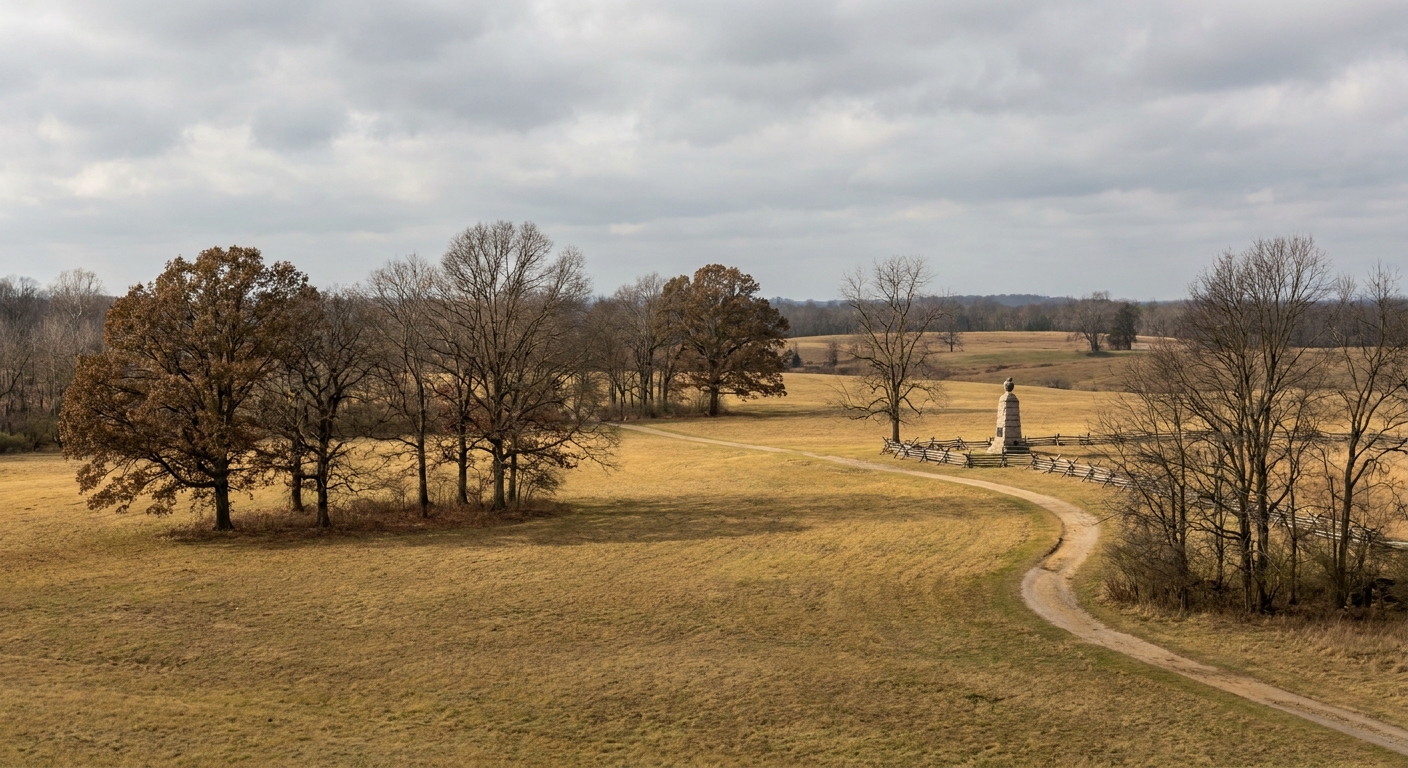
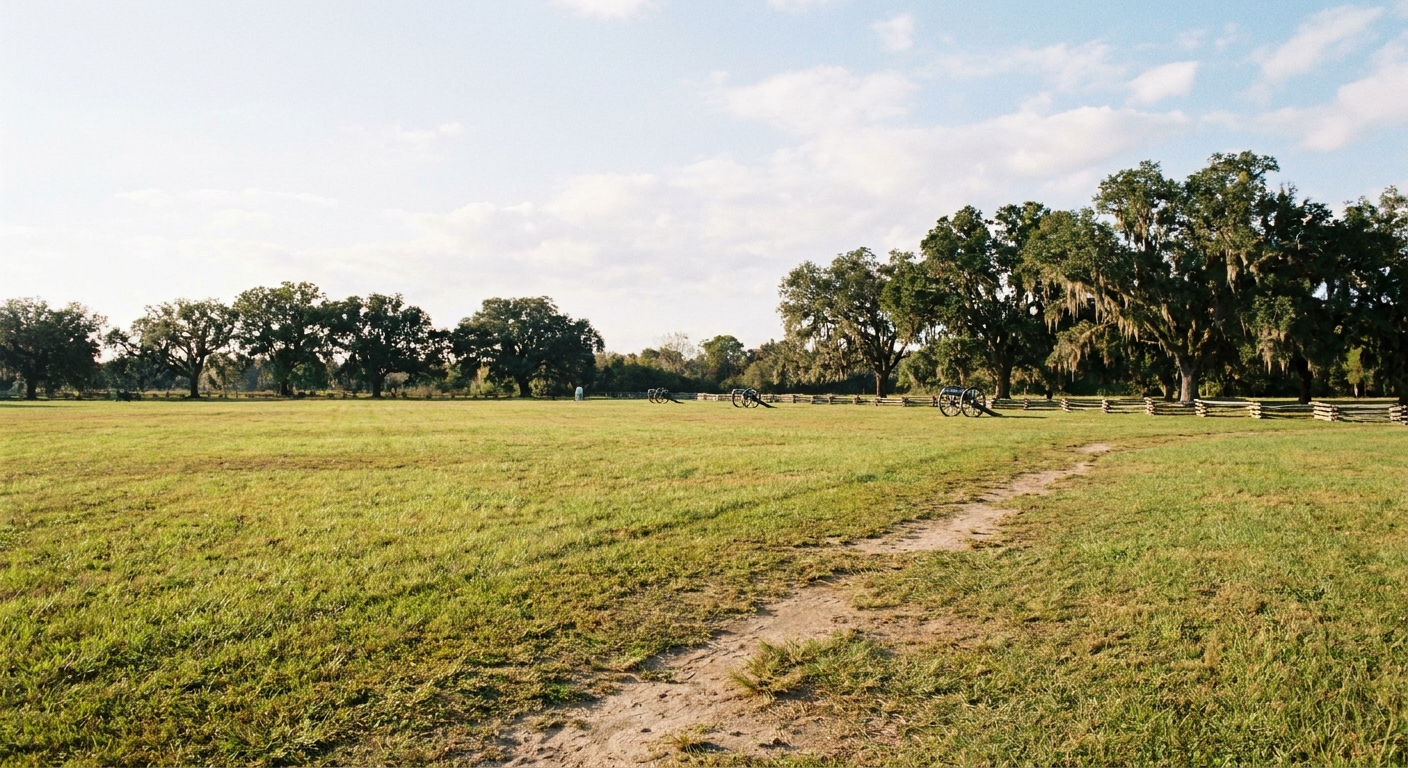
It is tempting to call the Battle of New Orleans meaningless because the treaty had already been signed. I get it, and I still flinch at the thought of those casualties. But when you stand on ground like Chalmette and look across the flats, you can feel how real the stakes were to the soldiers in the line.
No one in those ranks woke up thinking they were acting out a historical technicality. They believed an attack was coming because an attack was coming, and neither side had confirmed orders in hand that could end it. Strategy still mattered locally too. New Orleans was a critical port and gateway to the Mississippi River system, and both sides understood its value.
If you are planning a visit, I wrote a practical, boots-on-the-ground piece at Visiting Chalmette Battlefield Today.
The 1814 communications chain
In today’s terms, here is what it took to move peace from Ghent to a soldier’s ears:
- Diplomatic paperwork: agreed text, official copies, and authenticated dispatches.
- Overland couriers: moving documents from Ghent to a departure port.
- Ocean passage: weeks on the Atlantic, with delays no one could control.
- Port-to-capital relay: officials pushing the news inland.
- Chain of command: headquarters to department commanders to field officers.
- Proof and caution: commanders confirming the message before changing posture.
Peace did not arrive as a single message. It arrived as a series of confirmations that gradually became too solid to doubt.
The critical gap
If you remember nothing else, remember this gap, because it explains why New Orleans happened:
- December 24, 1814: Treaty signed in Ghent.
- January 8, 1815: The war’s most famous post-Ghent battle is fought at New Orleans before reliable peace news reaches the combatants.
- February 16, 1815: Treaty ratified by the U.S. Senate, followed shortly by proclamation and the long relay outward.
That is how a war can end on paper and still keep killing in the real world.
Related reading
- Guide: Timeline for the broader sequence of the war.
- Fort McHenry: Why the Bombardment Failed for the war’s late turning points.
- Jean Lafitte’s Pirates vs. Regulars at New Orleans for the Gulf Coast cast of characters.
- Visiting Chalmette Battlefield Today to walk the ground where the news came too late.