
Welcome. I’m Josiah Harding, and I built My War of 1812 for the kind of reader who has always suspected the real story lives somewhere beyond the bold dates and famous speeches.
I grew up in upstate New York, within easy driving distance of places where the ground once shook under marching feet and rattled with musket fire. When I was a kid, my grandfather would take me on long weekend walks that were part hike, part lesson. We would follow the edge of an old road, stop at a weathered marker most drivers never noticed, and he would say something like, “They camped right here.” No grand stage. Just a quiet place with a stubborn memory.
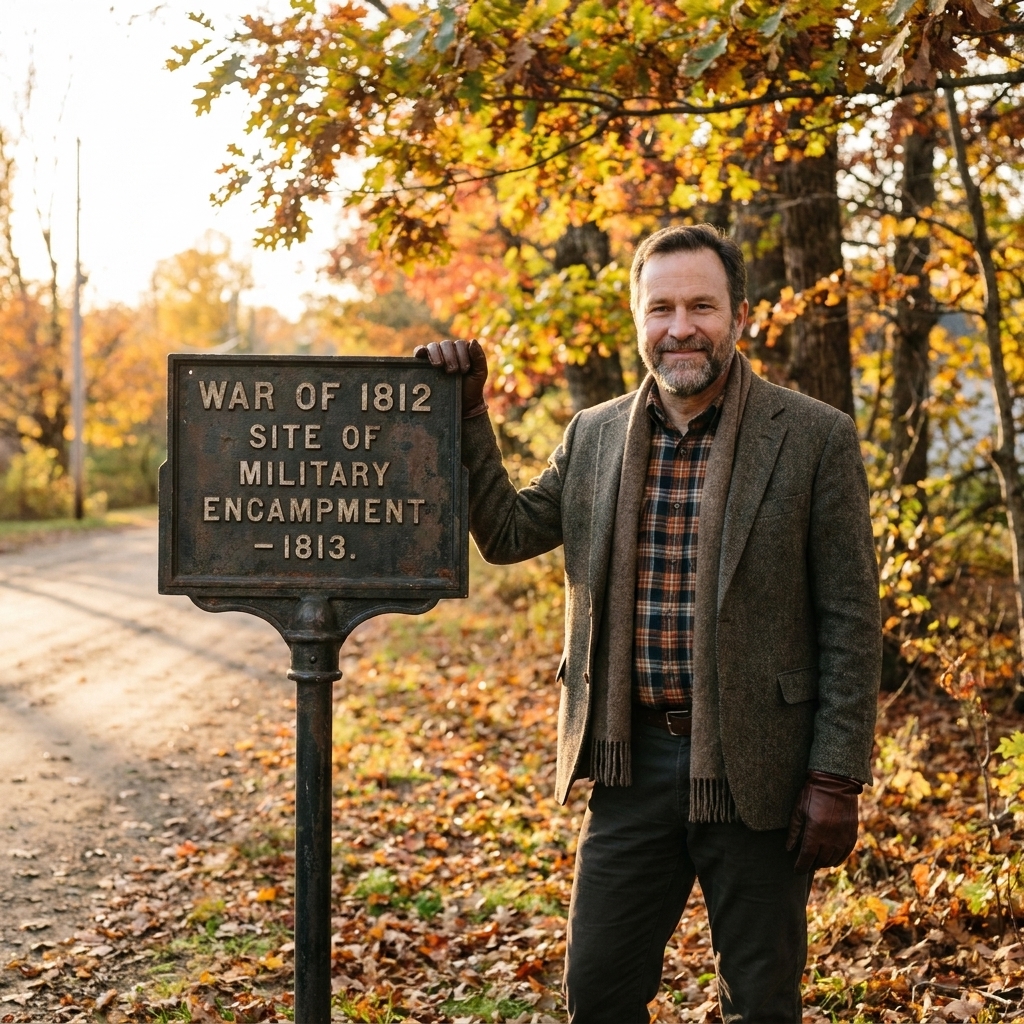
That habit stuck. I did not come to this war through a seminar room or a set of polished lectures. I came to it by walking the terrain, getting rained on at forgotten corners of battlefields, and sitting in small local historical societies where volunteers pull out a box of letters like they’re handing you a live coal. The War of 1812 can be loud in the books, but it becomes intimate when you stand where someone once waited for orders, or wrote home, or wondered if the next sunrise would arrive for them.
Why this site exists
Most people know a few bright, blazing moments: Washington burning, a flag over Fort McHenry, a song that became an anthem. Those matter. But I have always been drawn to the grit between them, the ordinary hours that decide whether an army holds or breaks. The cold breakfasts. The swollen feet. The arguments in taverns. The civilians trying to keep a farm running with sons gone and markets disrupted. The Indigenous communities caught in a widening conflict that threatened homelands and futures.
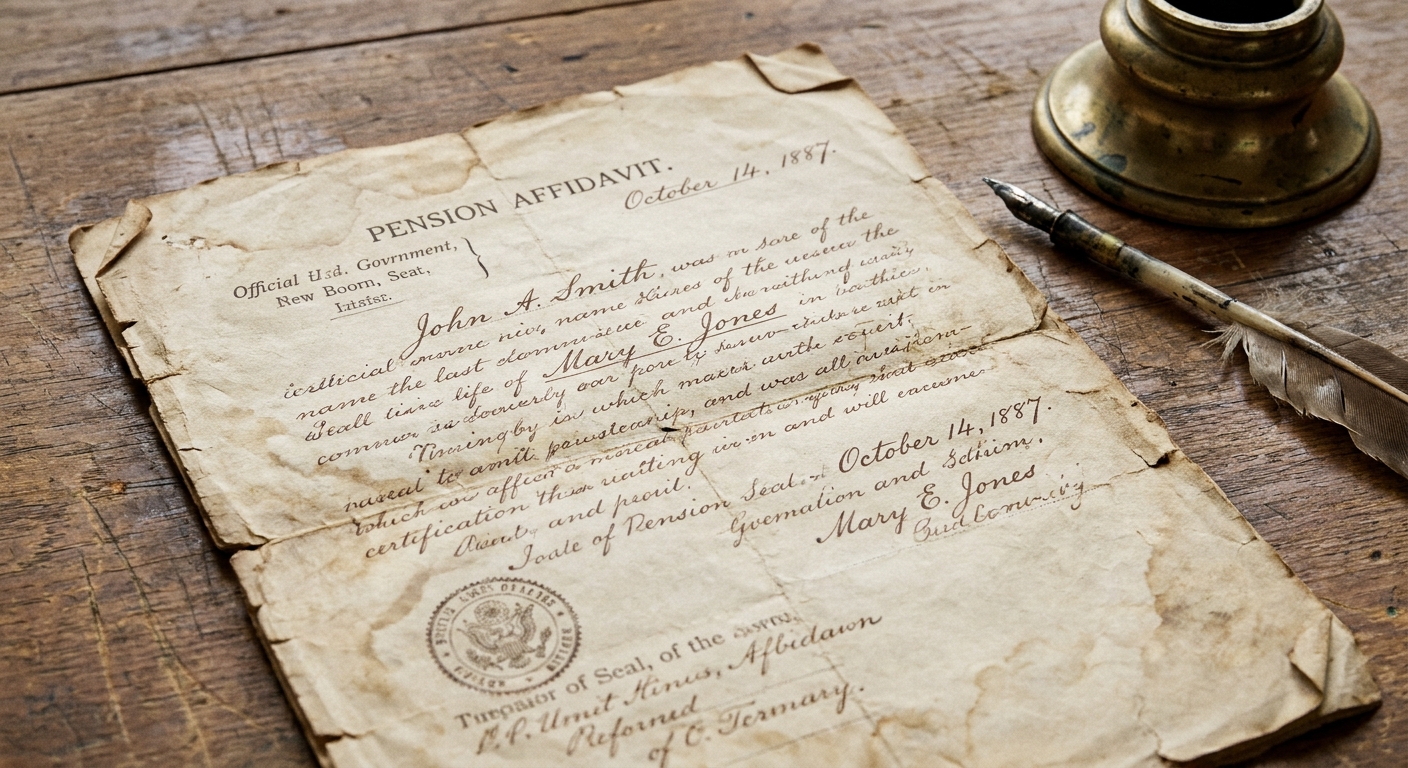
My War of 1812 is my attempt to tell that fuller story without turning it into a dusty timeline. I want you to feel the weather, the distance, the hunger, and the hope, because those were as real as any treaty. When I write, I lean on primary voices when I can: diaries, letters, orderly books, pension statements, and local traditions that can preserve details official reports either missed or had reasons to smooth over.
What you can expect here
The site is built for readers who want to explore in whatever way fits their curiosity. Some days you want a single story with a human heartbeat. Other days you want to orient yourself, find the place, and understand what happened there.
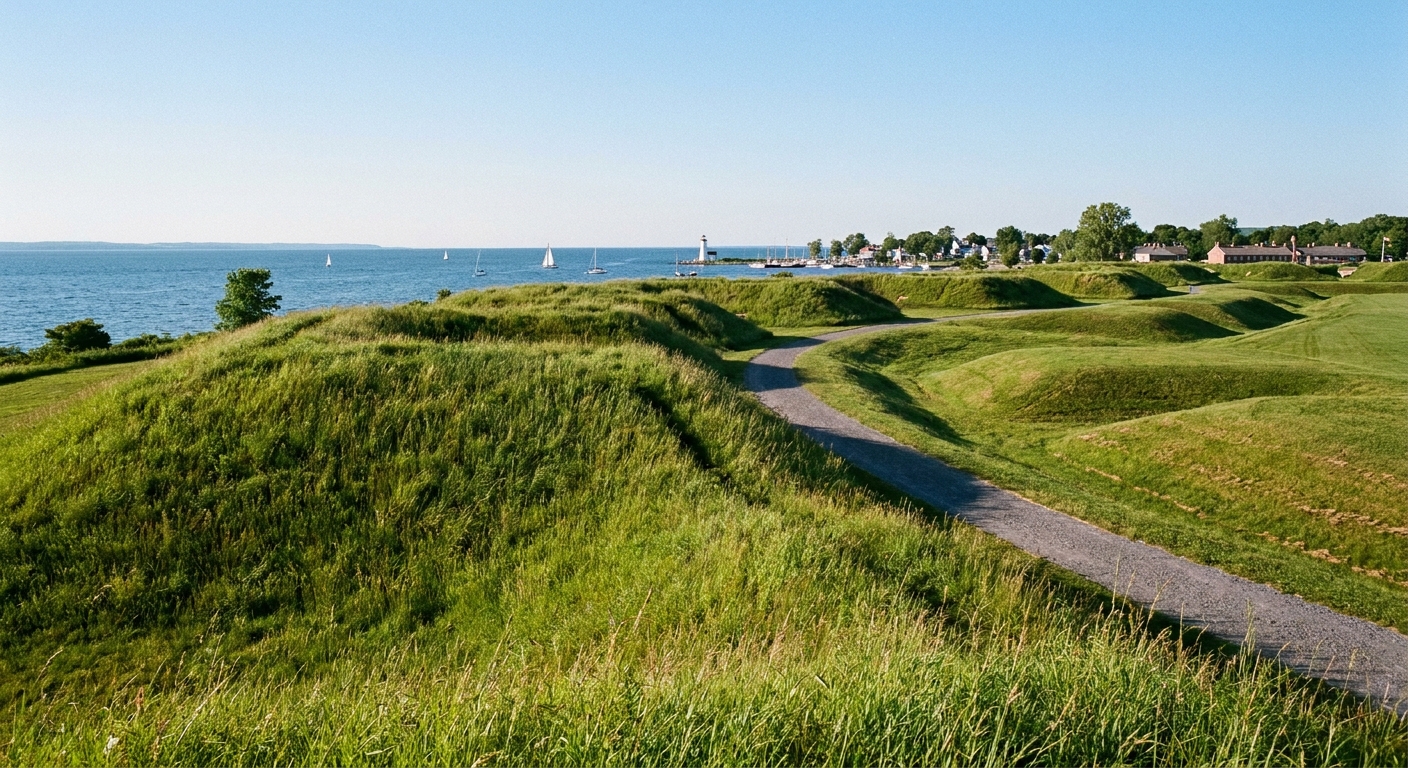
- Places you can stand: If you like to travel by map and memory, start with the Historic Sites guide. I focus on what you can still see, what has changed, and what details are easy to miss when you are on the ground.
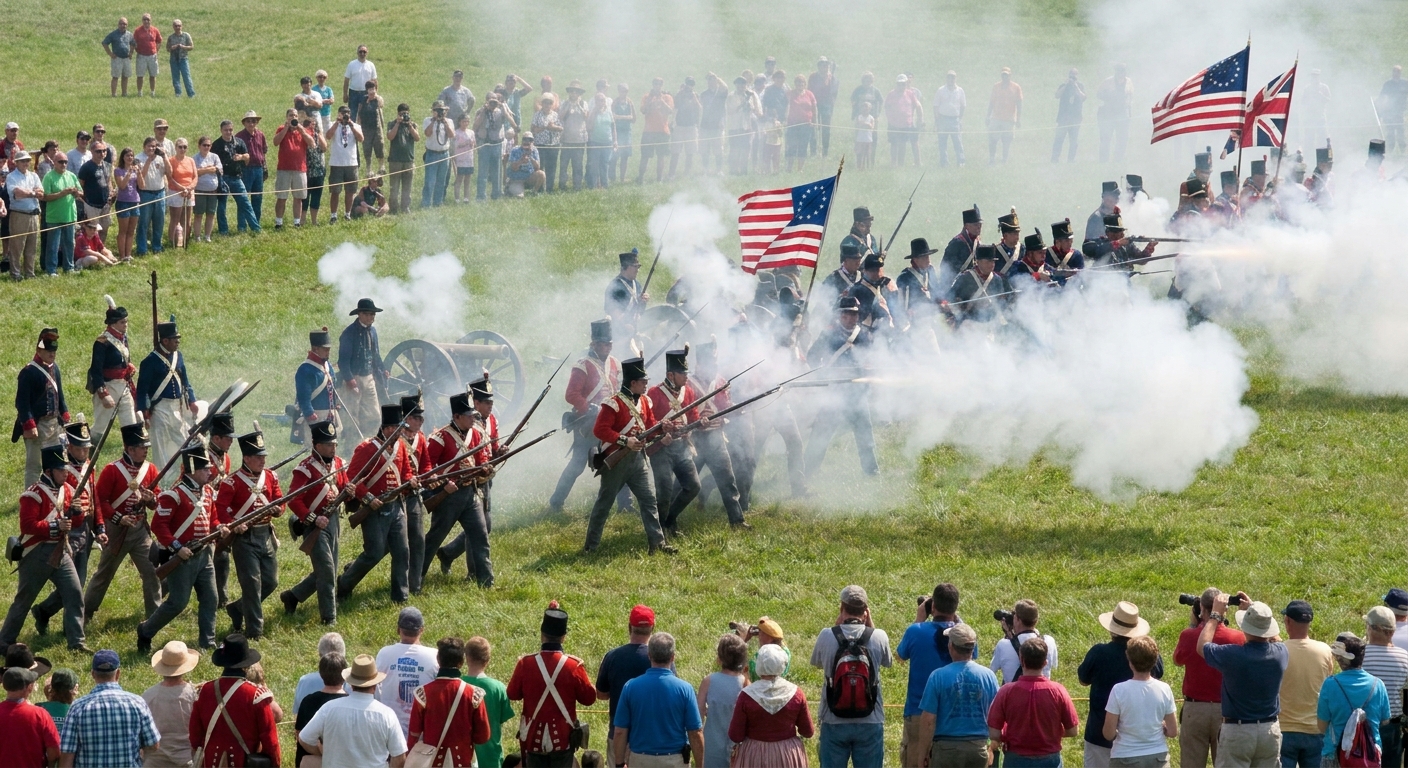
- The fights, large and small: The Battles guide is where I gather campaigns, clashes, and overlooked actions, with an eye toward what it felt like for the people inside the smoke.
- The people behind the names: The People guide is for commanders and politicians, yes, but also for the figures who usually get a sentence, if they get one at all.
- A clear sense of sequence: When you want the larger arc, the Timeline helps pin stories to the calendar without draining the life out of them.
If you are brand new, you can also start at the home page and follow whatever trail catches your eye. This war sprawls across borders and coastlines. You do not have to read it in order to understand it.
How I research and write
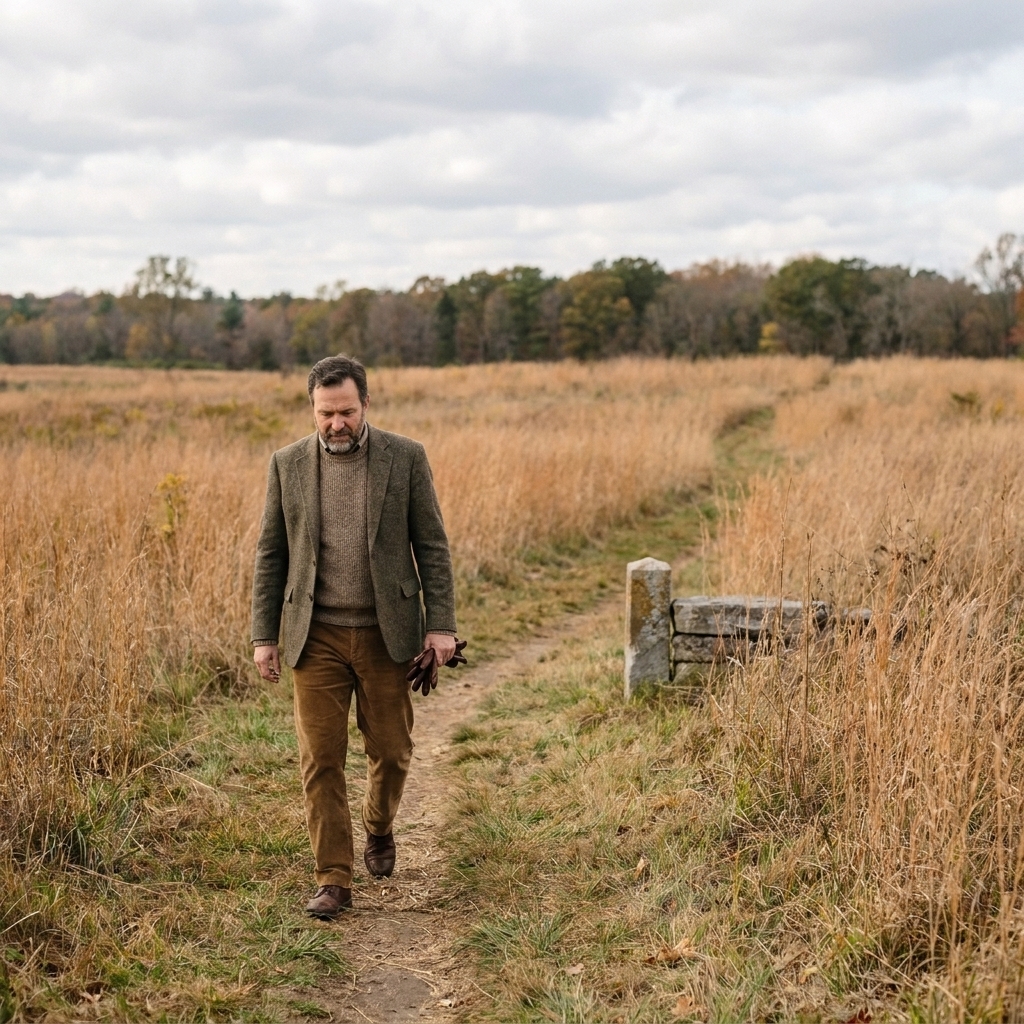
I try to write the way my grandfather talked on those walks: specific, grounded, and alive. When possible, I visit the terrain myself, especially the corridors I can reach from home, like the Niagara frontier, the Sackets Harbor shoreline, and the Champlain Valley. I pay attention to distances that look short on paper but feel long with a pack on your back. I take note of the slope of a hill, the width of a creek, the way sound carries across open water. Those details shape decisions in wartime, and they shape the stories we tell afterward.
On the paper side, I lean into what is closest to the people who lived it: contemporary newspapers, diaries and correspondence, and the kind of documents you find in state and provincial archives, local collections, and military records. I also care about plain speech. If a term matters, I will explain it. If a claim is uncertain, I will say so. History is not just what happened. It is what we can support, what we can reasonably infer, and what we still argue about.
A standing invitation
My War of 1812 is meant to be walked through, questioned, and improved. If you spot an error, have a family story, know a local marker I should see, or simply want to ask a question, I genuinely want to hear from you. Use the contact form at /contact/.
And because trust matters, you can read how this site handles information in the Privacy Policy and the Terms of Service.
Thanks for stopping by. Pull up a seat by the fire, and let’s go looking for the footprints that are still there if you know how to see them.