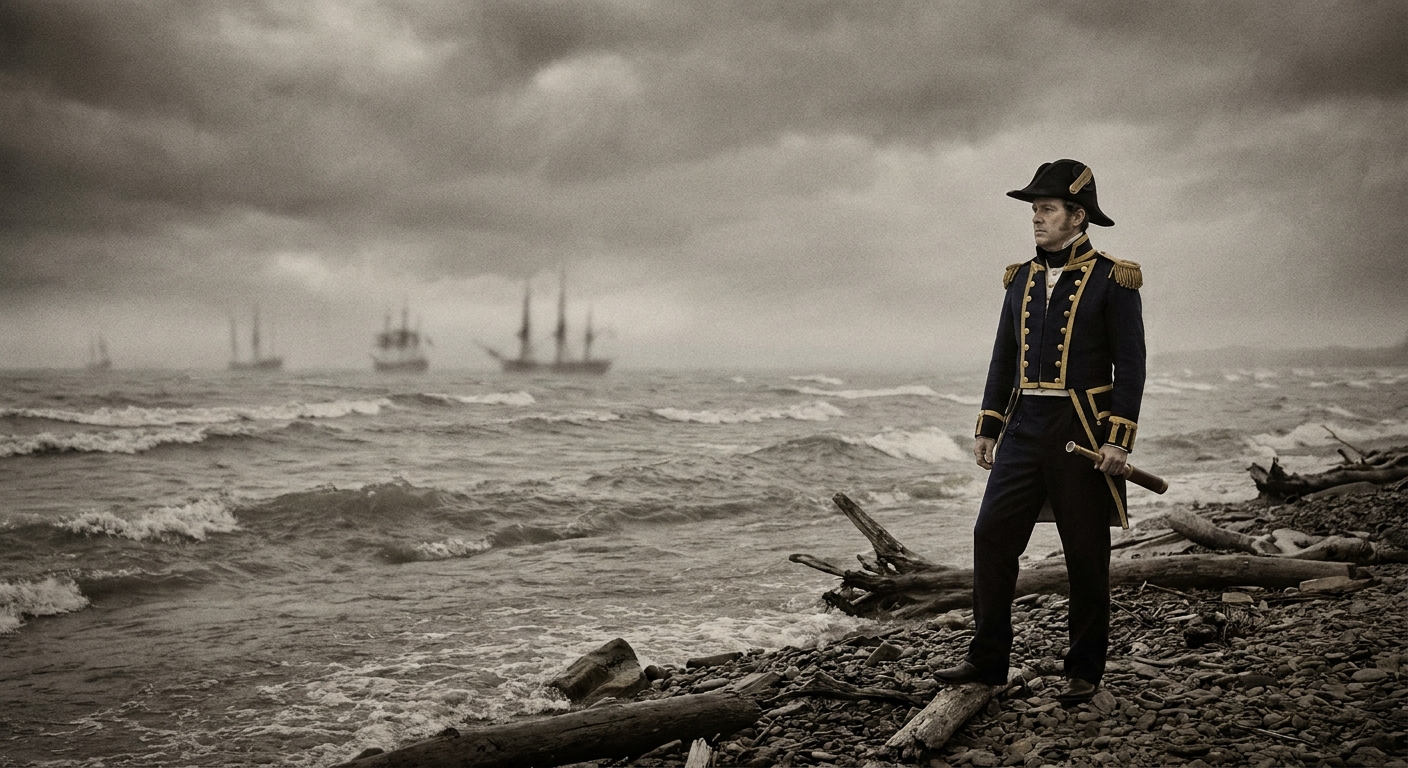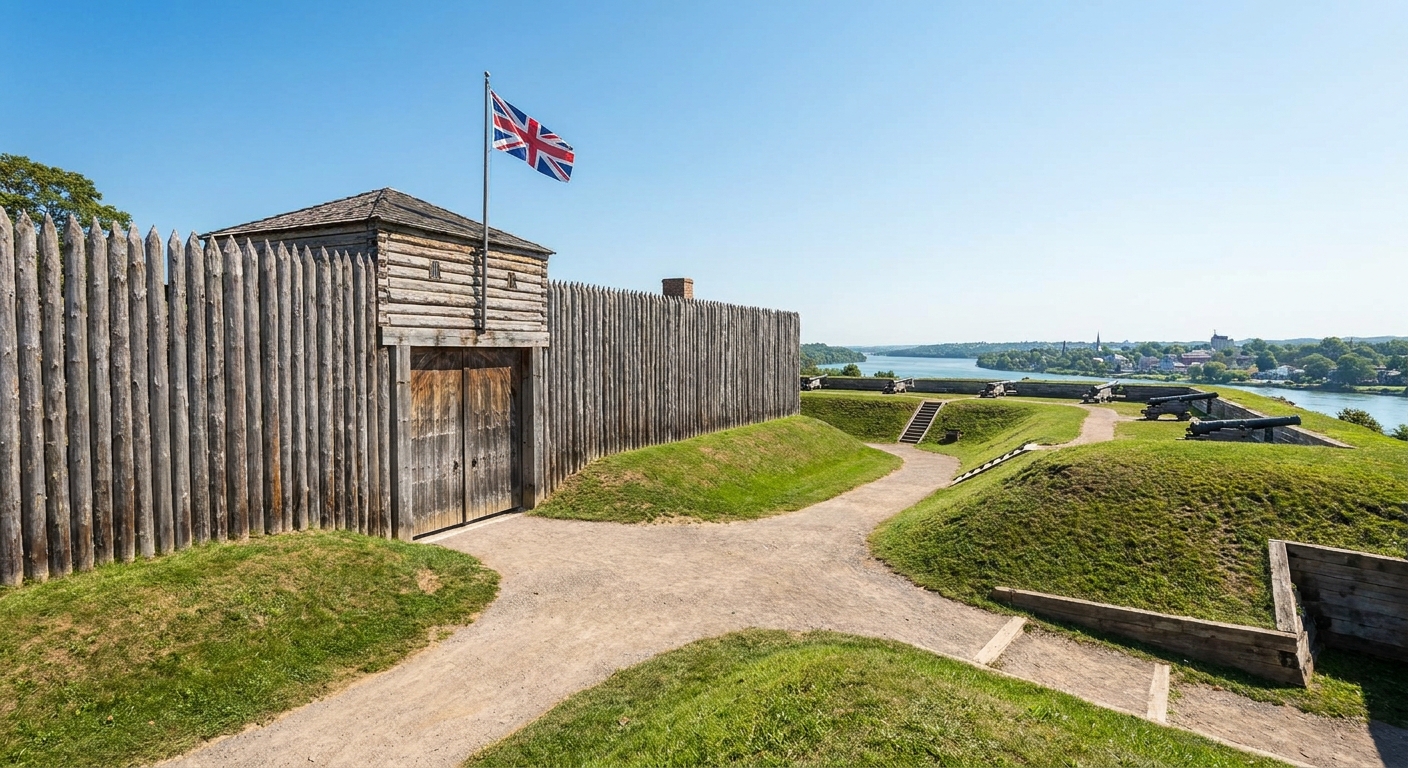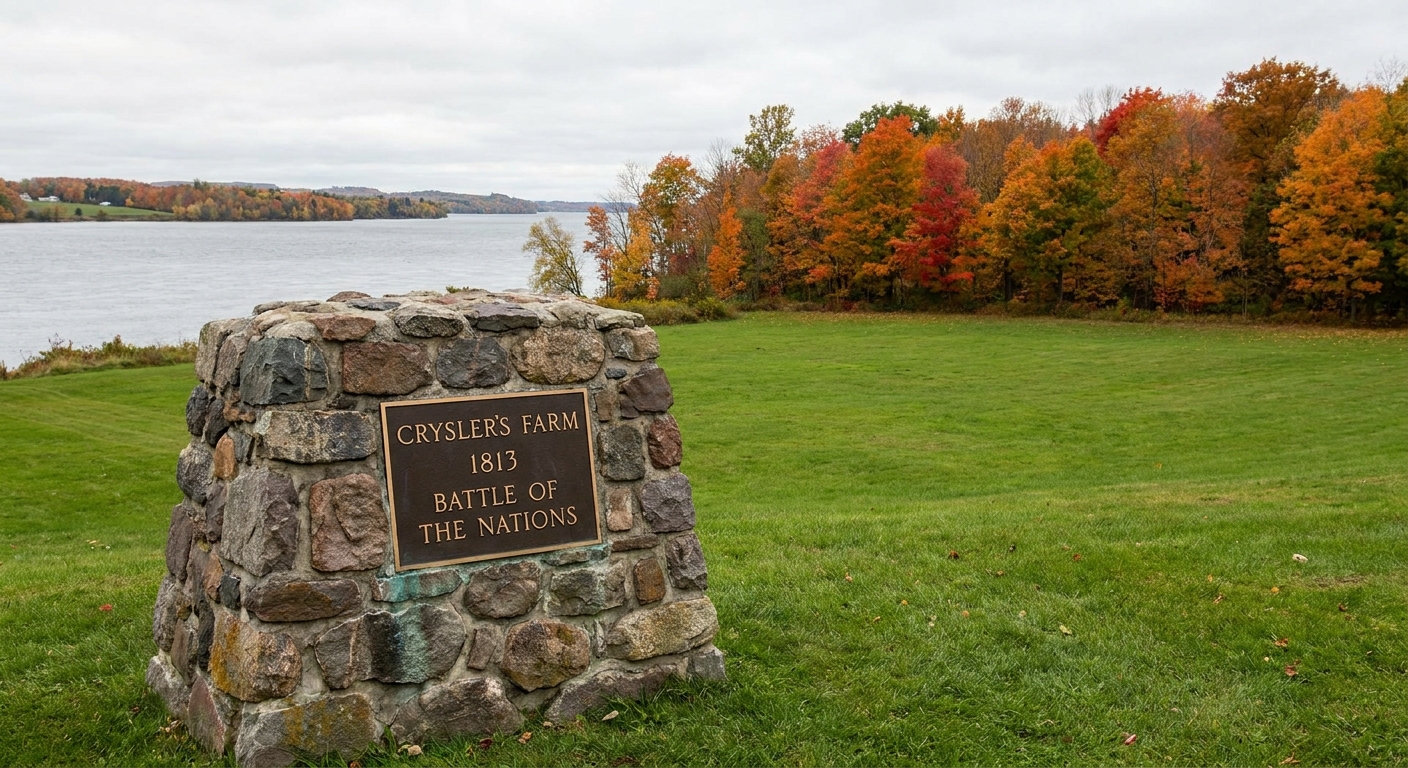

The first time I walked Sackets Harbor, the wind off Lake Ontario had that sharp, clean edge it gets in northern New York, the kind that makes you pull your collar up and listen a little harder. Out on this quiet point, it is easy to miss what once thundered here: adzes biting oak, caulkers’ mallets, saw pits groaning, and the steady, urgent rhythm of a young nation trying to build a navy fast enough to survive.
Sackets Harbor was not just a battlefield. During the War of 1812, it was one of the main American shipbuilding and naval base hubs on Lake Ontario, a place where timbers became warships and where British raids aimed to burn that future before it floated. Today, the landscape still holds the shapes of that story if you know how to read it. This is how I like to walk it, at a human pace, with time to stop where the past still feels close.
Before you start
What to expect
This is an easy, family-friendly walk on maintained paths with a few gentle grades. You will be moving between open lawn, shaded spots near the water, and earthwork fortifications. Give yourself 60 to 90 minutes if you want to linger at signs and viewpoints, longer if you are the kind of person who stops to imagine where a gun crew stood.
Accessibility note: Much of the loop is smooth and stroller-friendly, but some sections near the works can be uneven grass or packed earth, especially after rain.
What to bring
- Comfortable walking shoes (wet grass can slick things up near the lake)
- A light layer, even in summer. Lake wind is its own weather.
- Water and a snack if you are walking with kids or taking your time
- Binoculars if you like scanning the waterline and horizon
A quick note on context
If you are new to the war’s geography, it helps to think in lakes, not states. Lake Ontario was a highway, and shipyards were factories for power. Sackets Harbor and Kingston, across the water in Upper Canada (today Ontario), were rival hubs. When one side gained naval strength on the lake, it shaped everything from raids to supply lines to the confidence to attempt invasions.
If you want a broader framework for how sites like this fit together, start with our Historic Sites guide, then roam outward from the lake to the land campaigns.
The walk
I am laying this out as a simple loop you can follow on foot. The exact paths and features you prioritize may vary depending on seasonal access and site updates, but the interpretive logic stays the same: water and shipyard first, then the defensive ring that tried to protect it.
Start and finish
I like to begin where most visitors naturally gather: near the main parking area and interpretive signage, then walk toward the harbor edge first. When I do this as a loop, I end back near the same visitor-oriented area without needing to backtrack much.
Stop 1: The harbor edge
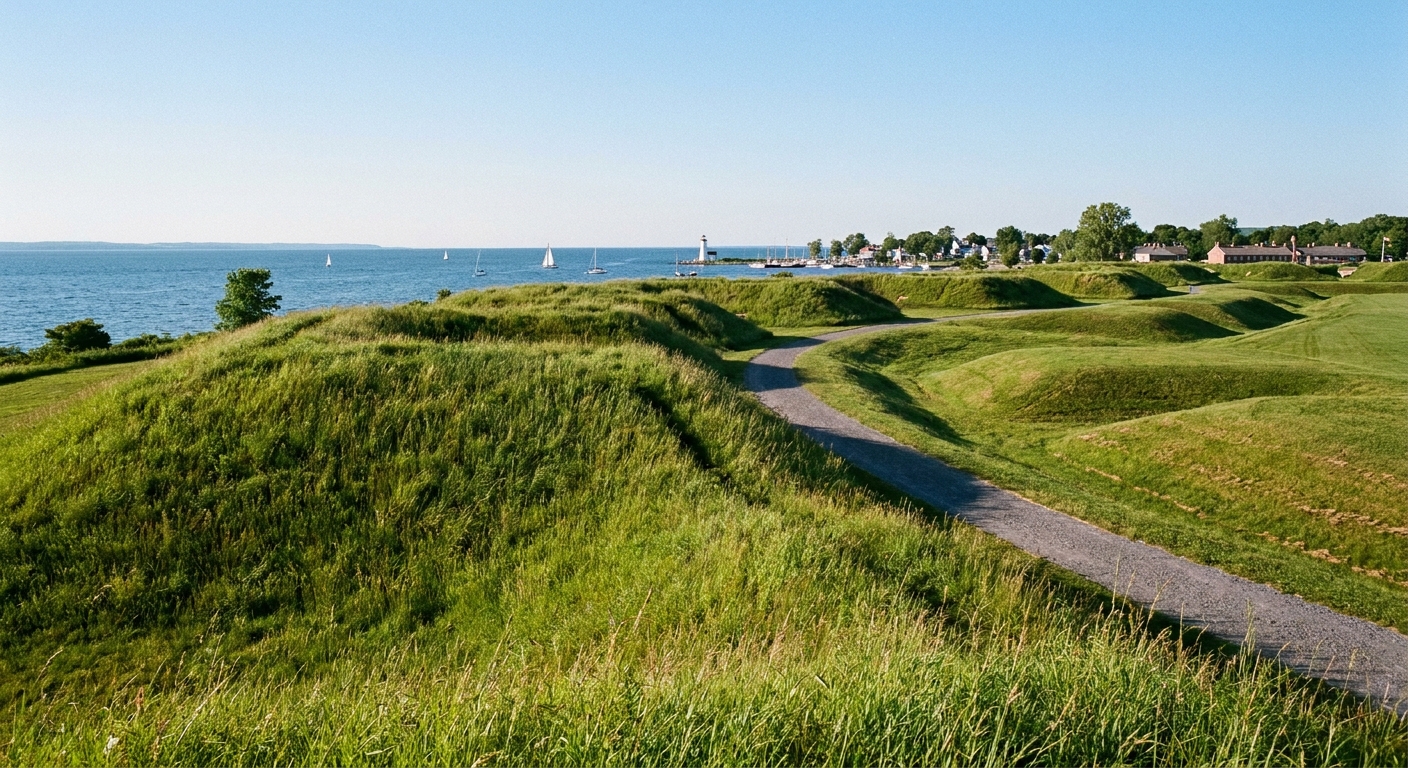
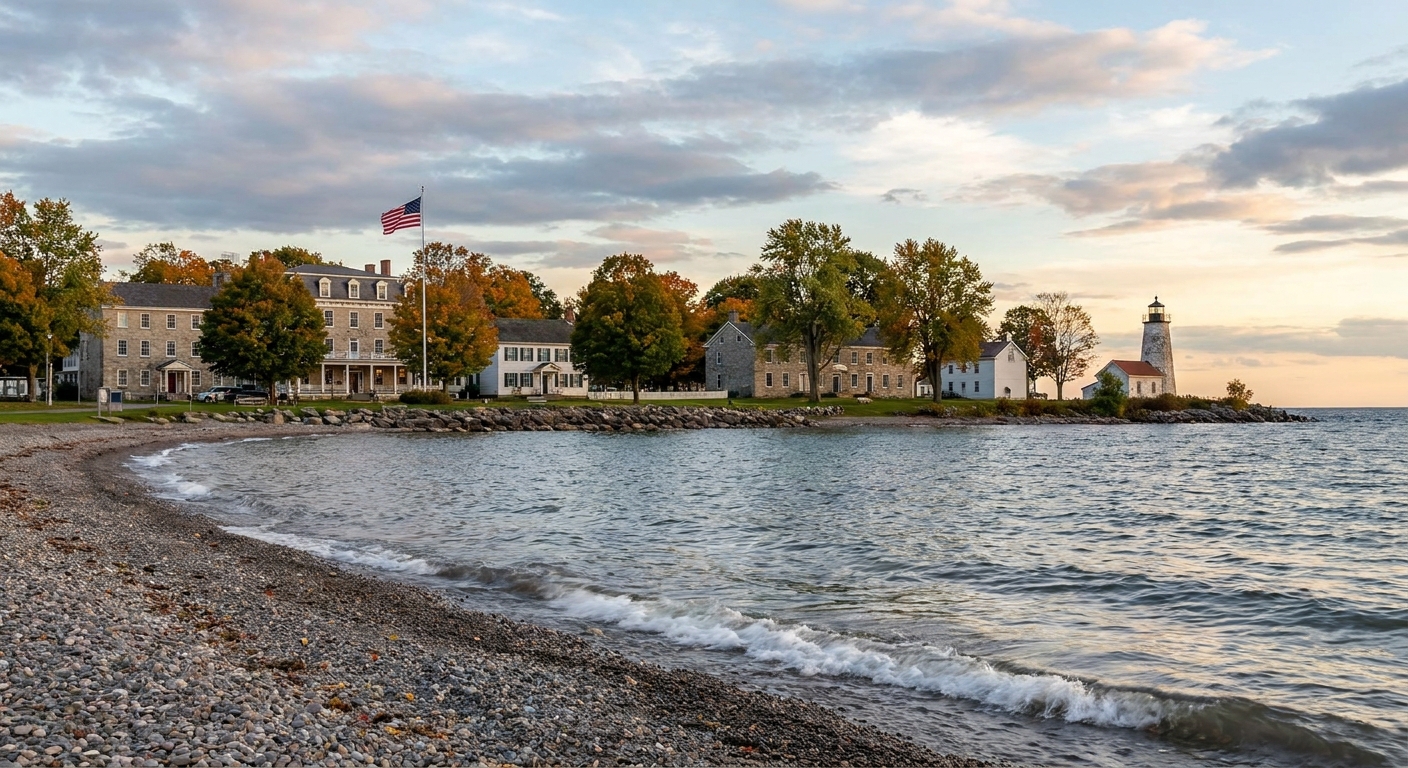
Start by looking out over the water. It sounds obvious, but it changes the whole visit. The lake is the reason Sackets Harbor mattered. Picture a forested shoreline crowded with slips, timber stacks, and half-framed hulls. This was not a sleepy village scene. It was a military-industrial worksite, loud and busy, with sailors, soldiers, ship carpenters, and laborers all rubbing shoulders.
When you stand here, ask yourself one question: Where would a raider aim? In 1813, British planners looked at this place and saw a target that could change the balance of Lake Ontario in a single, smoky afternoon.
Stop 2: Shipyard ground
As you move inland from the waterfront, keep an eye out for interpretive signs and subtle changes in grade. Even when original buildings are long gone, shipyard landscapes tend to leave clues: open working areas, routes that make it easy to move heavy timbers toward the water, and broad clearings where you can almost feel the logic of a work yard.
It also helps to imagine the smell. Fresh-split oak, pitch and tar, wet rope, and the iron tang of tools. When I read wartime letters and diaries, the details that stick are often not strategic, but physical: shortages of skilled labor, rush jobs, and exhaustion. That is the real story of a wartime shipyard. Not romance, but deadlines.
If naval construction stories grab you, you will probably enjoy Perry’s shipyard miracle before Lake Erie. Different lake, similar urgency.
Stop 3: The earthworks
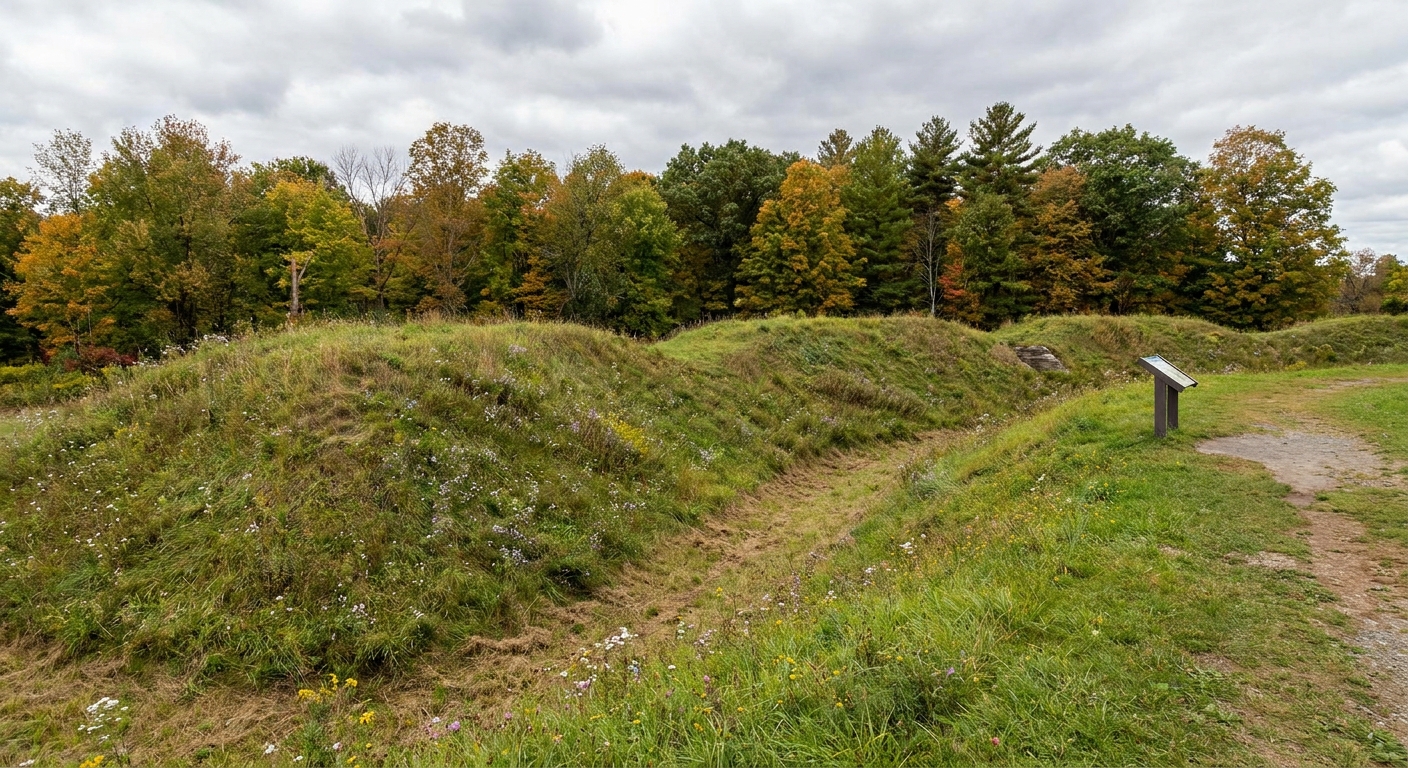
Now angle toward the fortifications. Earthworks do not always photograph dramatically, but they are some of the most honest military remnants we have. Stone forts look permanent. Earthen ramparts look like what they were: fast, practical, and built by human backs with shovels, sweat, and fear.
As you walk the line, try this: stand on the interior side and look outward, then step to the exterior approach and look back. The shift in perspective is immediate. Suddenly the shallow-looking berm becomes a serious obstacle. You can understand why commanders trusted earth to absorb shot and why defenders cared about clear fields of fire.
Stop 4: Gun positions
Fortifications are not just walls. They are geometry. As you follow the works, pause at corners, angles, and open arcs that point toward likely avenues of approach. Even if you are not standing exactly where a cannon sat, the logic is still there. The defenders wanted overlapping fire, and they wanted to deny attackers safe ground.
I like to picture the awkward realities here: smoke hanging low on a humid day, misfires, wet powder, shouted orders swallowed by wind. The War of 1812 is often summarized with polished phrases, but the actual fighting was messy and loud, and nobody had a full view of what was happening.
Stop 5: The 1813 fight
Sackets Harbor’s most famous crisis came on May 29, 1813, in what is often called the Second Battle of Sackets Harbor. British forces landed and drove hard at the harbor with a simple goal: smash the base, destroy naval stores, and cripple the American ability to build and maintain the Lake Ontario squadron.
What I always try to hold in mind here is how quickly a well-laid plan can dissolve into confusion. In the rush of the fighting, and amid real fear that the yard and its supplies would be taken, Americans burned some of their own stores and materials to keep them from falling into enemy hands. It is one of those gut-level decisions that makes sense in the moment and looks tragic in hindsight when you stand on calm grass.
In the end the British withdrew. The yard was bruised, but it remained in American hands, and that mattered. The shipyard did not have to be “captured forever” to be crippled. A fire in the wrong place, the loss of stores, a few ships burned on the stocks, and the entire season’s naval balance could tilt.
Stop 6: A quiet spot for the people
Before you finish the loop, take a few minutes in a quieter area away from the most obvious fort lines. This is where I try to remember the civilians. Sackets Harbor was a community, not just a military complex. Raids and rumors were not abstract. They affected families, food prices, labor, and sleep.
On other parts of this site, I have tried to foreground those non-headline lives, like in Plattsburgh’s civilians in the crossfire. Different town, same uneasy truth: living near a strategic place meant your kitchen table was never far from war.
How to see the shipyard
People sometimes leave disappointed if they come expecting a forest of preserved hulls or a row of original dock buildings. Sackets Harbor is more subtle than that. The trick is to use three lenses.
1) Follow the water access
Shipyards need easy movement from work area to launch. When you notice open approaches to the shoreline, you are likely standing where labor and materials once flowed.
2) Look for defensible proximity
Major naval assets were protected by placement as well as guns. The best shipyard ground sits close enough to defensive works to be covered, but not so close that you cannot operate.
3) Trust the flat clearings
Large, relatively level clearings near water often tell an industrial story, even when grass has reclaimed it. On a windy day when the lake is loud, close your eyes for a second and imagine the same flat area crowded with stacked planks and rolling tackles.
Keep going
If Sackets Harbor hooks you, you are not alone. This harbor is one thread in a much bigger fabric of lake warfare and border campaigns. A few good ways to keep going on My War of 1812:
- 5 naval actions that changed the War of 1812 for the “why it mattered” view
- Timeline guide to place the 1813 raid in sequence with other turning points
- Battles guide to explore where lake power met land campaigns
On-the-ground tips
- Walk it twice if you can. One loop for scenery, one loop for sightlines. The second pass always feels more legible.
- Do not rush the ramparts. Earthworks are about angles and distance. Let your eyes adjust.
- Listen for modern noise, then subtract it. A passing car is a good reminder that the harbor was never truly silent. Replace the engine with saws and hammers and it makes more sense.
- Bring one good question. Mine is usually: “What would I protect first if I commanded this place?” Your answer changes as you walk.
FAQ
Is it more naval or more battlefield?
Both, and that is the point. The battlefield exists because the shipyard mattered. If you focus only on the fortifications, you miss the industrial heartbeat that made the defenses worth building.
How long should I budget?
Plan on 60 to 90 minutes for the core walk, plus extra time if you enjoy reading every interpretive panel or taking photos along the water.
Is it good for kids?
Yes. The open ground and visible earthworks make it easier for kids to understand than a site where everything is “in the text.” I have found that children latch onto the idea of protecting ships and supplies very quickly.
What should I read next for the lake war?
Start with our overview of key naval actions, then circle back to shipbuilding pressure in Perry’s shipyard story. Different theaters, same logistical race.