
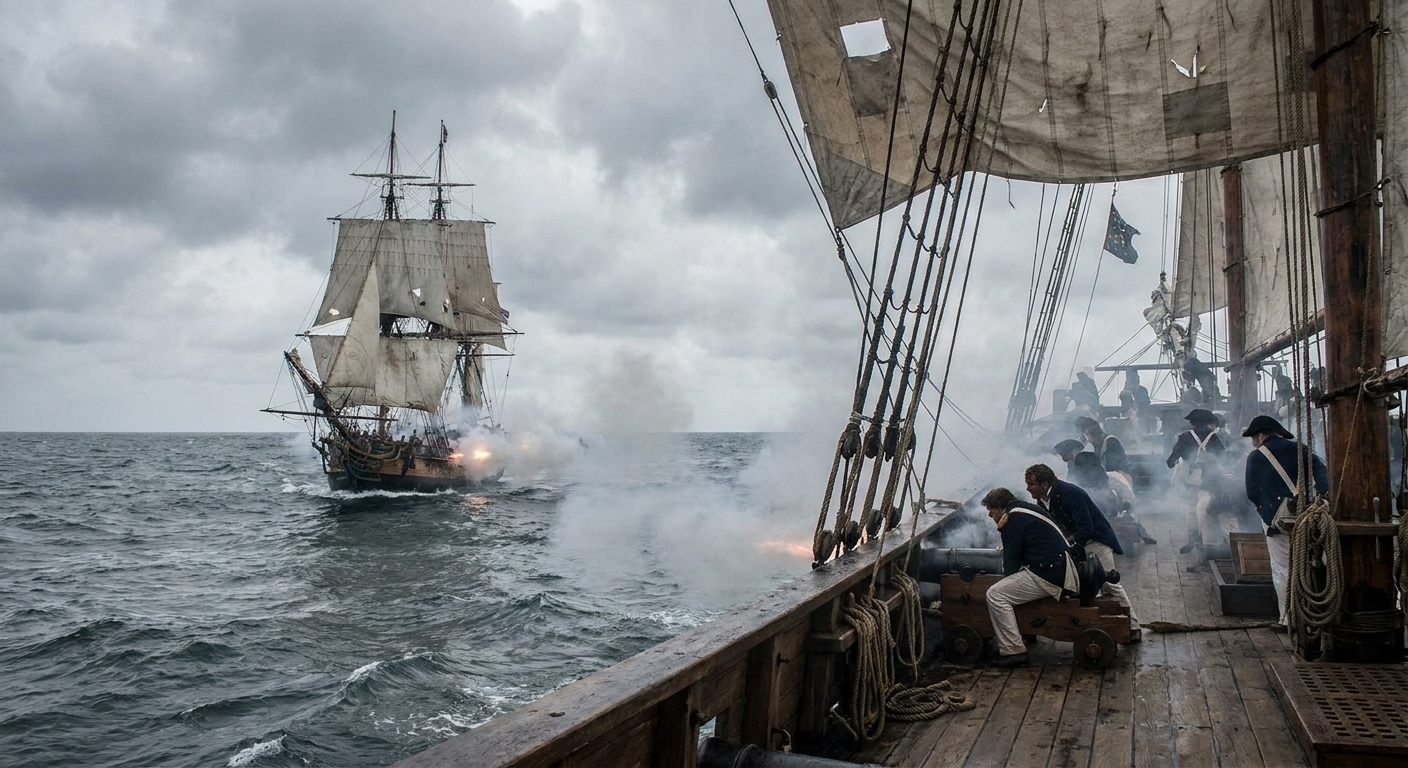
I grew up in upstate New York, close enough to Lake Ontario that the weather itself sometimes feels like it carries old news. My grandfather would walk me past half-forgotten markers, and he had a habit of saying, “The war wasn’t just on the maps. It was on the water, and the water remembers.”
Most folks can name the big headliners at sea, but the War of 1812 was also shaped by tight, brutal ship-to-ship engagements that do not always get the spotlight they deserve for their tactical aftershocks. These actions did more than boost American morale. They forced the Royal Navy to rethink how it chased, screened, and fought American cruisers, especially the hard-biting little sloops and brigs that kept slipping out to strike commerce and prestige.
Below are five naval actions whose larger ripples are often under-discussed, even when the names themselves are familiar.
1) USS Wasp vs HMS Frolic (October 18, 1812)
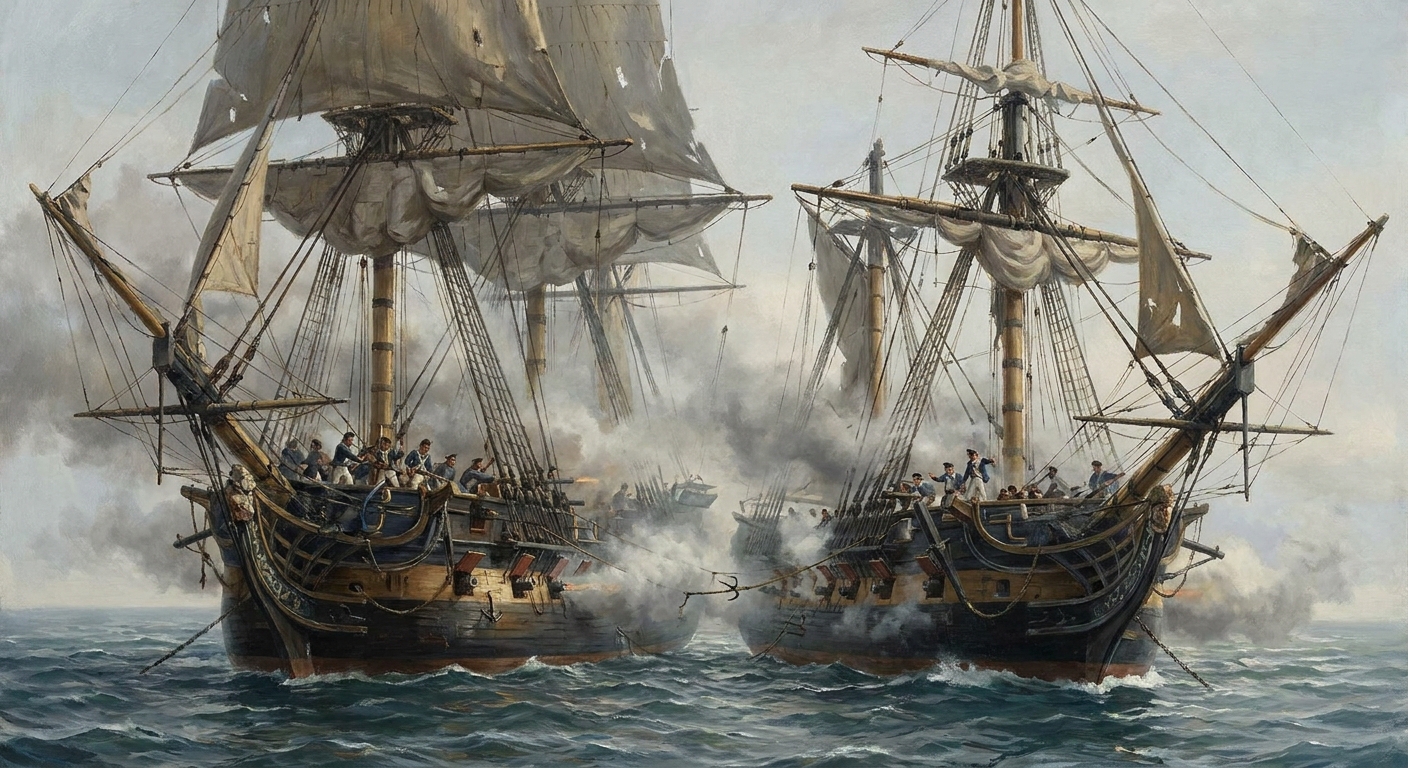
This is one of those fights that reads like it was fought inside a bell. Captain Jacob Jones in USS Wasp met HMS Frolic in nasty weather while Frolic was escorting a convoy. The seas were high enough that guns could dip and vanish, and yet the two ships closed until it became a test of nerve, drill, and fast hands at the tackles.
What made it different: The killing efficiency. In a short, close action of roughly three quarters of an hour, Frolic was left a wreck, her rigging shredded and her deck swept. American casualties were comparatively light, and the disparity said something about training at close range, not just luck.
The victory was quickly complicated. The British 74-gun HMS Poictiers arrived soon after and took Wasp and her prize, but tactically the message was already out.
Why it changed maritime thinking
- Convoy escort suddenly looked riskier: A single American cruiser could cripple an escort and throw a convoy into panic, especially in foul weather when signaling and formation broke down.
- Close-range gunnery mattered: Wasp’s performance reinforced what British captains began admitting in private: American crews could shoot fast and straight when the range collapsed.
- Screening had to get deeper: One escort was not always enough. Convoys needed smarter layers of protection and quicker reinforcement if an American raider slipped in.
If you want a wider sense of how naval actions fit into the war’s overall rhythm, the site’s timeline guide is a helpful compass.
2) USS Hornet vs HMS Peacock (February 24, 1813)
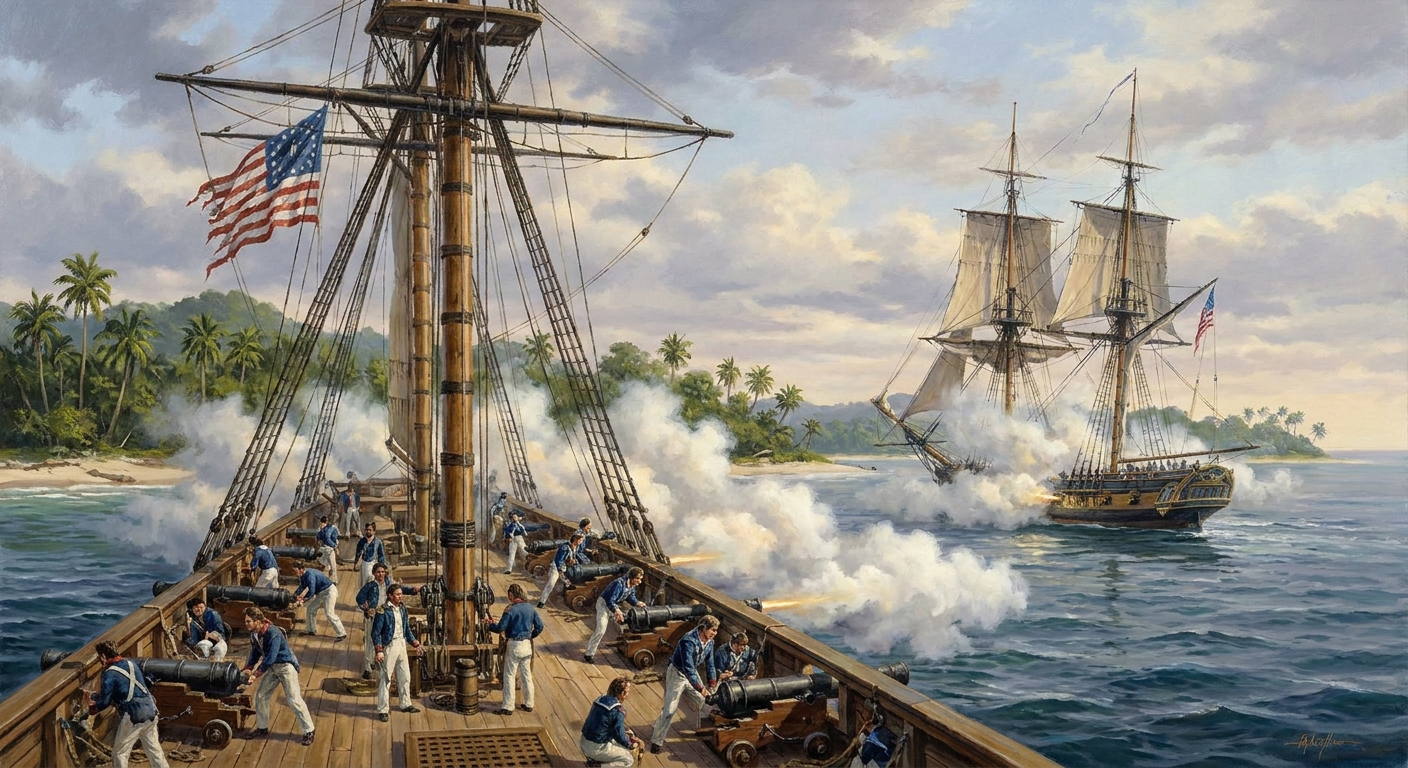
Off Demerara, British Guiana (modern Guyana), USS Hornet, commanded by Master Commandant James Lawrence, met HMS Peacock in a clean, cold-blooded duel that ended with Peacock sinking. The details that stick with me are the practical ones: how quickly damage became destiny, how hard it was to save men when a ship went down fast, and how victory could still feel like drowning when you were hauling survivors out of the water.
What made it different: Hornet’s disciplined gunnery and steady handling. The fight was brief by the standards of the age, and it ended decisively. Peacock went down quickly enough that the aftermath became as urgent as the battle itself.
Why it changed maritime thinking
- It made the “small ships” problem harder to ignore: British planners had to consider not only big American frigates, but also nimble sloops that were easier to deploy, harder to catch, and deadly in equal matchups.
- It widened the danger zone in practice: American cruisers were not bound to home waters. A U.S. warship could operate far down the Atlantic and still win a sharp action.
- It argued for decisive force: The lesson was simple and unromantic: do not offer an even fight to a motivated crew if you can bring heavier metal, or a second ship, to settle it.
For readers who like to connect commanders and ships to the human side of the story, start with our people guide.
3) USS Enterprise vs HMS Boxer (September 5, 1813)
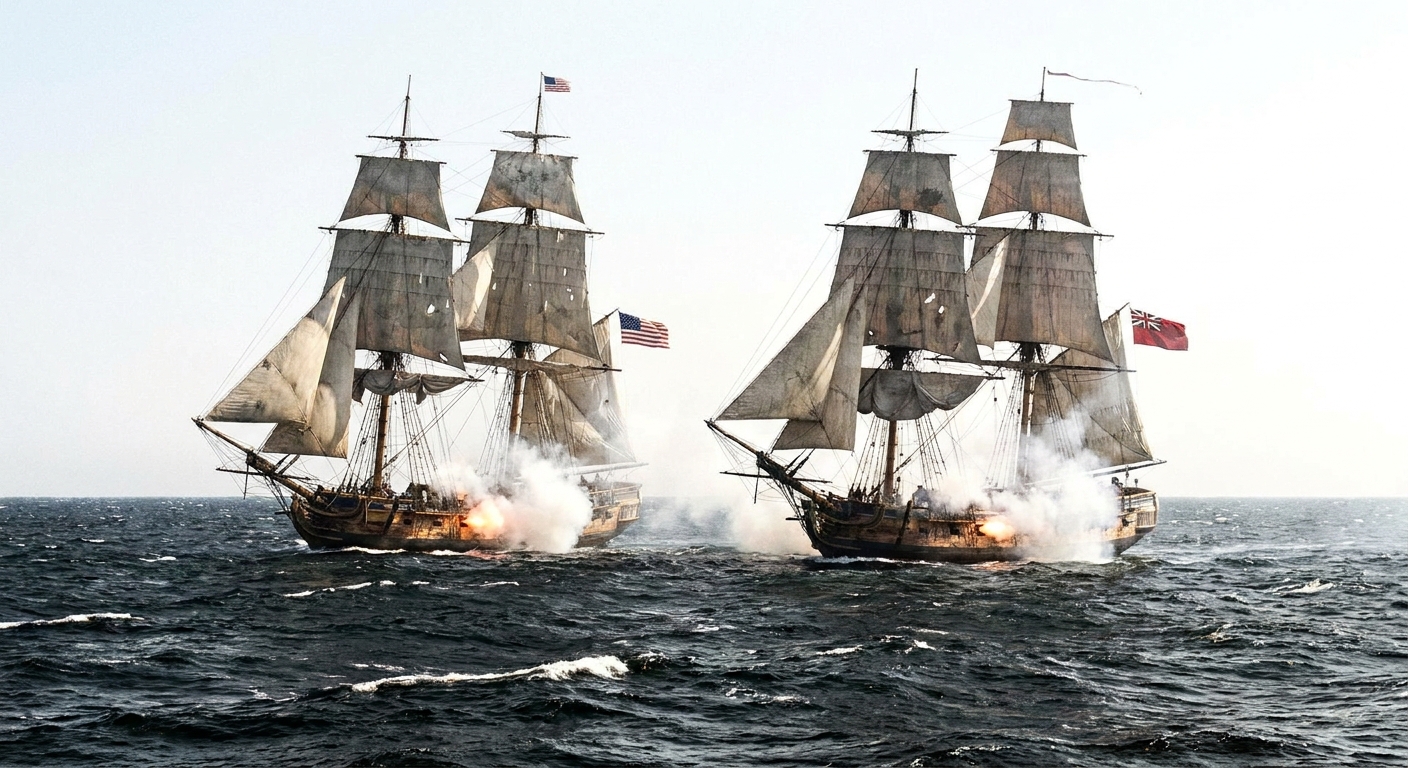
By 1813, the Royal Navy had plenty of reasons to take American ship-to-ship actions personally, but the fight between USS Enterprise and HMS Boxer off Maine carried a particular sting. Enterprise was a brig, not a celebrated heavy frigate. Boxer was also a brig, and she came in looking for a decision.
What made it different: It was an evenly matched, professional brawl that ended with Enterprise taking the victory. Both commanding officers were mortally wounded. Boxer’s Captain Samuel Blyth died in the action, and Enterprise’s Lieutenant William Burrows died soon after. When I think of this fight, I think of how close to shore it all was, and how quickly a local sea can turn from familiar to lethal.
Why it changed maritime thinking
- It confirmed American competence across ship classes: The British could no longer dismiss U.S. success as a quirk of a few big frigates alone.
- It raised the cost of “routine” blockade work: To bottle up American ports, Britain needed more ships on station and better coordination, because encounters with American brigs could still cost blood and reputation.
- It sharpened respect for training: Enterprise’s gunnery and handling reinforced that American crews, when properly drilled, could be tactically dangerous.
More battle context, without drowning it in textbook tone, lives in our battles guide.
4) USS President vs HMS Little Belt (May 16, 1811)
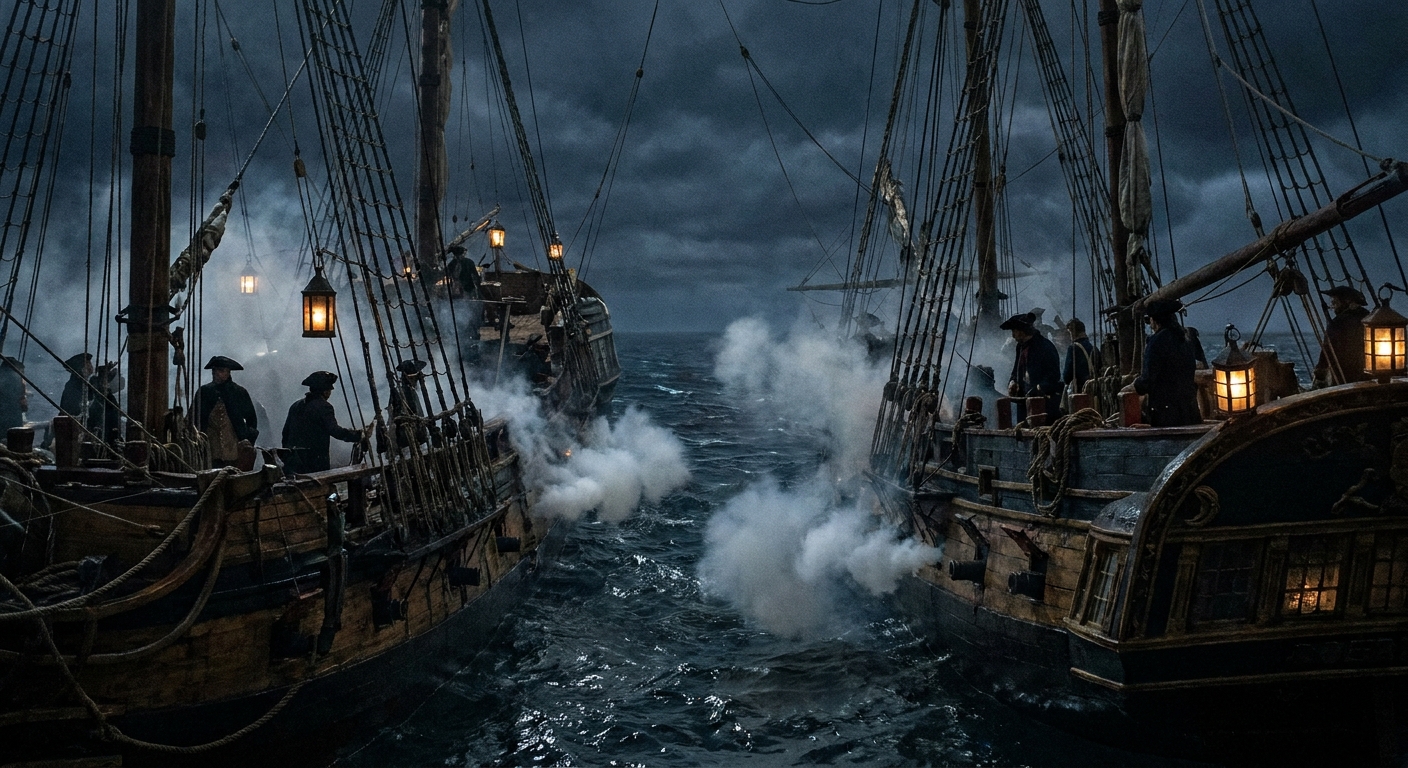
This one happened before the official declaration of war, and that is exactly why it matters. USS President and HMS Little Belt collided in the dark in a mess of suspicion, mistaken identity, and national pride. Both sides claimed they were fired upon first. Both sides nursed wounds that were political as much as physical.
What made it different: It was a pre-war naval incident that hardened assumptions. After the impressment crisis and years of maritime friction, it did not take much to turn a hail into a broadside.
Why it changed maritime thinking
- Rules of encounter got sharper: Identification, distance-keeping, and communication became more urgent when a wrong guess could light the fuse of war.
- It previewed the psychological battlefield: The Royal Navy had to consider not only tactical outcomes but also the propaganda blast radius of any clash with an American frigate.
- It pushed caution into patrol behavior: When tensions ran high, captains had to weigh whether closing with an American warship was worth the diplomatic risk.
When I reread letters from this period, the tone is striking. Sailors and civilians alike talk about “honor” the way a farmer talks about weather. It is not abstract. It is what decides whether you sleep or stay awake listening for footsteps on deck.
5) USS Chesapeake vs HMS Shannon (June 1, 1813)
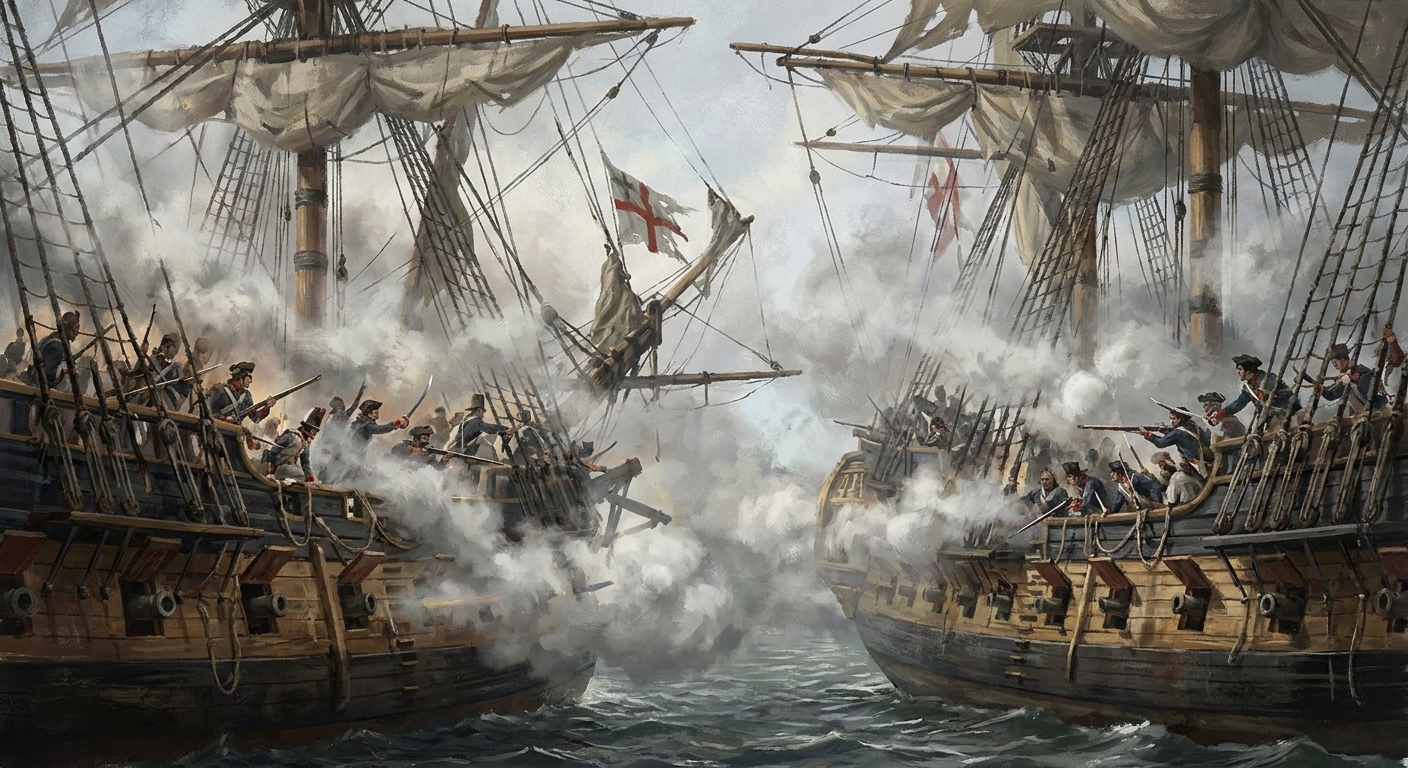
This is the best-known fight on this list, and it is not “overlooked” in the ordinary sense. What often gets underplayed is the tactical lesson it hammered into both navies. HMS Shannon, under Captain Philip Broke, was drilled to a razor edge. USS Chesapeake sailed out of Boston and met her with a crew that did not share the same cohesion and preparation.
What made it different: It was a brutal demonstration that training, gunnery discipline, and boarding readiness could decide a frigate action quickly. The battle was famously short, and it was decided in the human space between the ships as much as in the air above them.
Why it changed maritime thinking
- Britain adapted by professionalizing the counter: Shannon’s success reinforced a model: drill harder, shoot straighter, close deliberately, and be ready to board.
- It tempered American confidence: Early U.S. frigate victories were real, but Chesapeake reminded the U.S. Navy that reputation did not substitute for readiness.
- It reshaped expectations of frigate duels: The idea that these fights would be long artillery contests gave way to a fear of sudden collapse once rigging, officers, or morale broke.
When people say the War of 1812 at sea was “just a handful of frigate duels,” I think of Shannon and Chesapeake as the rebuttal. It was a laboratory of training standards, command culture, and tactical adaptation, and the results traveled far beyond the Atlantic seaboard.
What Britain took from it
These engagements, taken together, did not defeat the Royal Navy. Britain still maintained the world’s most powerful fleet. But they did force changes in how British commanders treated American warships, especially early in the conflict.
- Avoid parity fights when possible: Once American ships proved they could win fair matchups, the incentive shifted toward overwhelming force, tighter blockade coverage, and coordinated pursuit.
- Convoy protection had to evolve: Escorts needed better screening and quicker support, especially in heavy weather and at night, when single-ship actions could explode out of confusion.
- Training became a weapon: Shannon’s example and the shock of American gunnery success pushed a renewed emphasis on drilling, accuracy, and discipline.
- Range and reach mattered: Hornet’s victory near Demerara was a reminder that American cruisers could threaten British interests well beyond the North American coast.
Tracing the water today
I am a boots-on-the-ground history person by nature, so I will say this plainly: even for naval stories, walking the shore helps. Stand where a harbor mouth narrows, where the swell changes, where the wind shifts the moment you step past a headland. It puts “pursuit” and “escape” into your legs.
For trip ideas that connect the sea war to places you can actually visit, browse the historic sites guide. And if you want to know more about why I chase these stories the way I do, you can find me over on my author page.