
There is a particular kind of quiet you can still find along the Chesapeake on a weekday morning. Brackish air. Marsh grass whispering. Ospreys watching the water like they own it. It is hard to square that calm with what the bay became in 1813 and 1814: a road system for British ships and boats, and a doorway for landing parties that could turn a river town inside out in an afternoon.
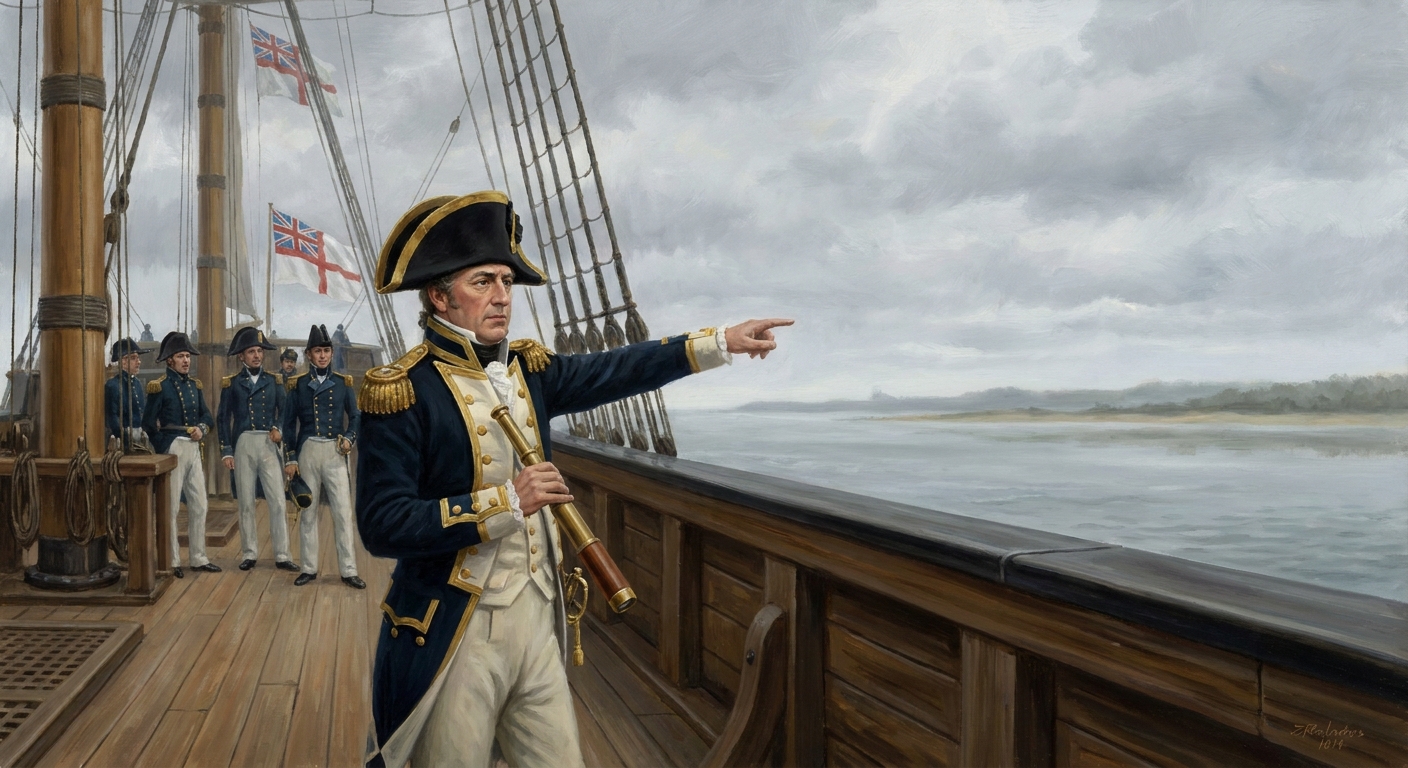
When I first started walking War of 1812 ground as an adult, I expected the Chesapeake story to feel like a single famous week: Washington burning, Baltimore holding. Instead it reads like a slow tightening rope, month after month. Rear Admiral George Cockburn is a major reason the raids felt so relentless, but he was not the only hand on the wheel. In 1813 the station was under Admiral Sir John Borlase Warren, and in 1814 the larger striking force that reached Washington operated under Vice Admiral Alexander Cochrane, with Major General Robert Ross commanding the soldiers ashore. Cockburn shows up again and again as the energetic field operator, the man who knew the creeks and rivers, and who pushed a coastal style of war that mixed reconnaissance, intimidation, seizure of supplies, and opportunistic strikes.
This guide follows that progression in time, but with an emphasis on what it meant at ground level, and how the “small” raids built the conditions for the big headlines.
If you want a broader frame for how this fits into the war’s larger sequence, the site’s Timeline Guide is a good companion piece.
How to read this campaign
The British effort in the bay was not one neat, single “campaign” with one unbroken chain of command. It is better understood as a pattern that changes shape: pressure and probing in 1813, then heavier blows in 1814 once Britain could spare more attention and manpower after Napoleon’s first abdication.
What stays consistent is the method. Cockburn and the naval commanders above him used the bay like a set of shortcuts. Small boats and landing parties let them reach places big ships could not, and the constant movement forced defenders to guess wrong as often as they guessed right.
- British strengths: mobility, naval firepower, and the freedom to choose where to strike.
- American weaknesses: thin coastal defenses, militia that could be slow to assemble, and a government stretched between multiple fronts.
- The civilian reality: seizures of food and livestock, destroyed boats and public stores, and in some places demands for provisions backed by the threat of destruction.
1813: pressure becomes routine
Winter 1813: a new rhythm
By early 1813, naval pressure off the American coast was already familiar. What Chesapeake communities learned, quickly, was that devastation did not require a full-scale invasion. A handful of boats could land, take provisions, burn a storehouse, spike a gun, and be gone before defenders assembled.
This was also the season when the British presence begins to feel organized rather than occasional. Warren commanded the station, but Cockburn’s influence is visible in the choice to keep moving, keep scouting, and keep returning. Even when a landing party achieved little on paper, it could freeze commerce for days and make every creek mouth feel like a threat.
Spring 1813: named towns get hit
In spring, the raids stop reading like scattered incidents and start reading like a method. British boats worked up rivers that locals thought of as their own back roads, and they learned the shortcuts fast.
Two anchor points help fix the season in place:
- April 1813: the raid and burning at Frenchtown (often paired in local memory with nearby waterfront losses) shows how quickly a landing party could punish a small community.
- May 1813: the raid and burning at Fredericktown and Georgetown on the Sassafras River, and the attack on Havre de Grace, underline how exposed even towns far up the bay could be once British boats committed to the river work.
Read together, they show what the bay allowed: British force could appear where it was least convenient for militia to meet it, and where the waterline put buildings, boats, and stores within easy reach.
Summer 1813: raids that feed raids
By summer, the raids increasingly fed themselves. Landing parties could seize livestock, flour, and spirits, and do it repeatedly. Even without widespread burning, the losses hit like a slow drain on a local economy that depended on shoreline movement.
This is also the stretch when violence and fear take on sharper edges. A key example is the raid on Hampton, Virginia in late June 1813, which stayed in local memory as a warning of what could follow when a waterfront town could not hold a landing. After that, even communities that were not hit directly could read the pattern and feel the clock running.
The pattern shows up in small, practical adjustments: boats hidden in creeks, carts kept ready, and families shifting valuables inland when rumors harden into certainty.
Fall 1813: resistance hardens
By fall, the emotional temperature rises. Resistance stiffens in some places, and British responses can grow harsher where they meet gunfire. This is part of why the Chesapeake story is full of contested memory. Both sides argued they were retaliating.
What changes, quietly but importantly, is the sense that the raids are no longer an “event.” They are a condition. Communities and local leaders try to adapt with watches, alarms, hurried militia musters, and the hope that a show of readiness will persuade a landing party to choose a different creek.
By late 1813 the raids are no longer isolated headlines. They are a lived posture. Winter reduces some operations, but it does not erase the lesson. A coastline that must be guarded all at once is nearly impossible to guard well.
1814: from pressure to shock
Early 1814: higher stakes
Early 1814 can feel like a reprise of early 1813, but with a different strategic horizon. With the European war easing, the logic of the Chesapeake changes with it. The bay is not just a place to harass trade and strip supplies. It becomes a staging ground for blows meant to land on American morale.
Spring 1814: the bay as a base
By spring, the Chesapeake looks less like a place being “visited” and more like a place being actively used. The fleet can water, resupply, and reposition. For Americans, every rumor carries weight because it might be true.
A concrete example of that “base” feeling is the British move into the Tangier Island area, where the Royal Navy could anchor, scout, and launch small-boat operations with less friction than it faced farther out at sea. From a defender’s standpoint, that matters almost as much as any single raid. It means the pressure is not only coming in. It is already sitting in the bay.
This is also where Cockburn’s strengths matter most. He treats the bay like a road map and uses boats aggressively, not because he is the overall commander, but because he is often the man closest to the shoreline, closest to the local intelligence, and closest to the next vulnerable target.
August 1814: Benedict to Washington
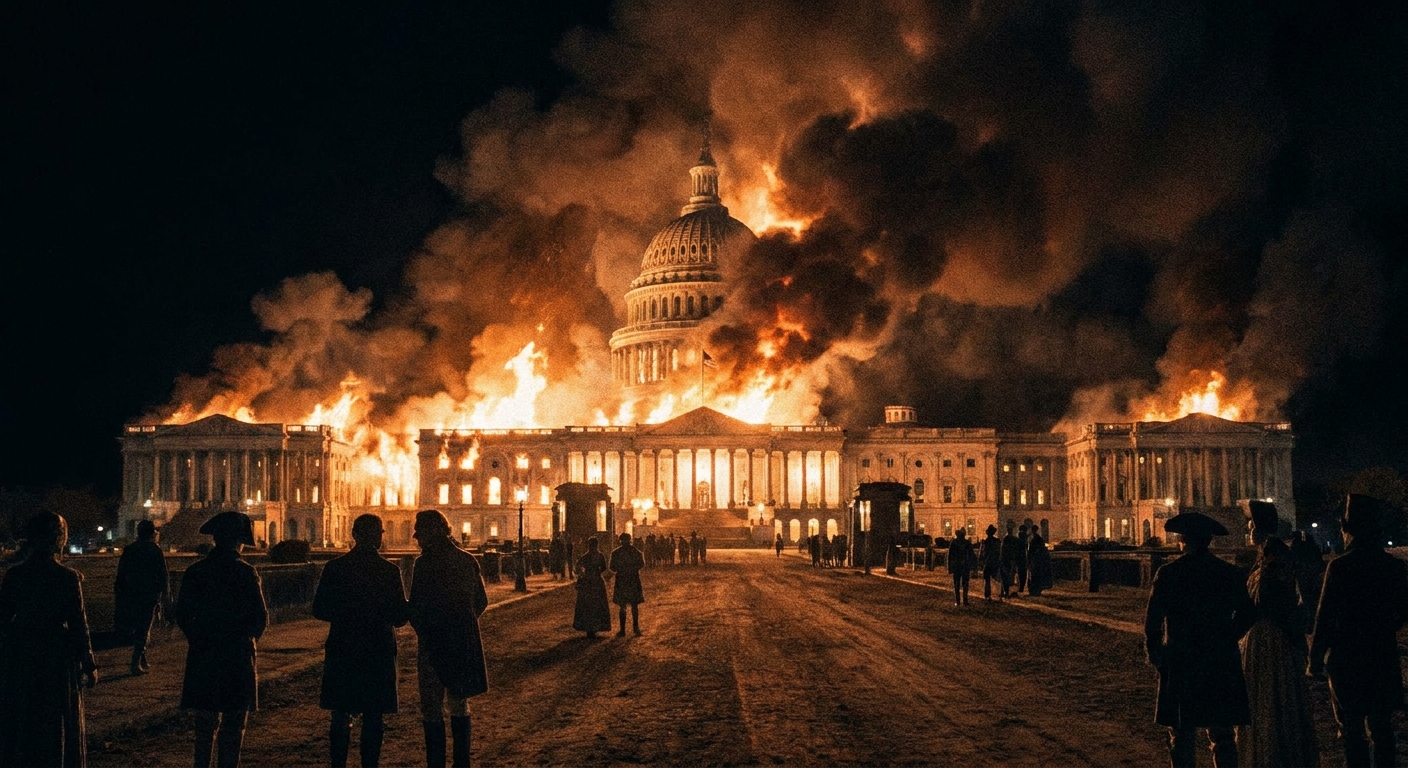
August is the pivot point most Americans remember, and for good reason. A British force under Cochrane, with Ross commanding the troops and Cockburn alongside, landed at Benedict, Maryland, moved up the Patuxent, and then marched toward Washington. After defeating American defenders at Bladensburg, they entered the capital and burned public buildings.
What matters in a build-up view is that Washington was not struck out of nowhere. The raiding years had trained British planners in local waterways and reaction times, and they had trained American communities into a posture of scattered, exhausted readiness. When the larger blow came, the system that should have stopped it struggled to assemble quickly enough.
To understand what happened at Bladensburg beyond the shorthand, I wrote about those dynamics in Beyond the Bladensburg Races, which unpacks the popular nickname and what was really happening on the ground.
If you are drawn to the human-scale story inside the famous moment, see What Dolley Madison Really Saved, which digs into what was actually taken, what was left, and how myth grew around necessity.
September 1814: Baltimore holds
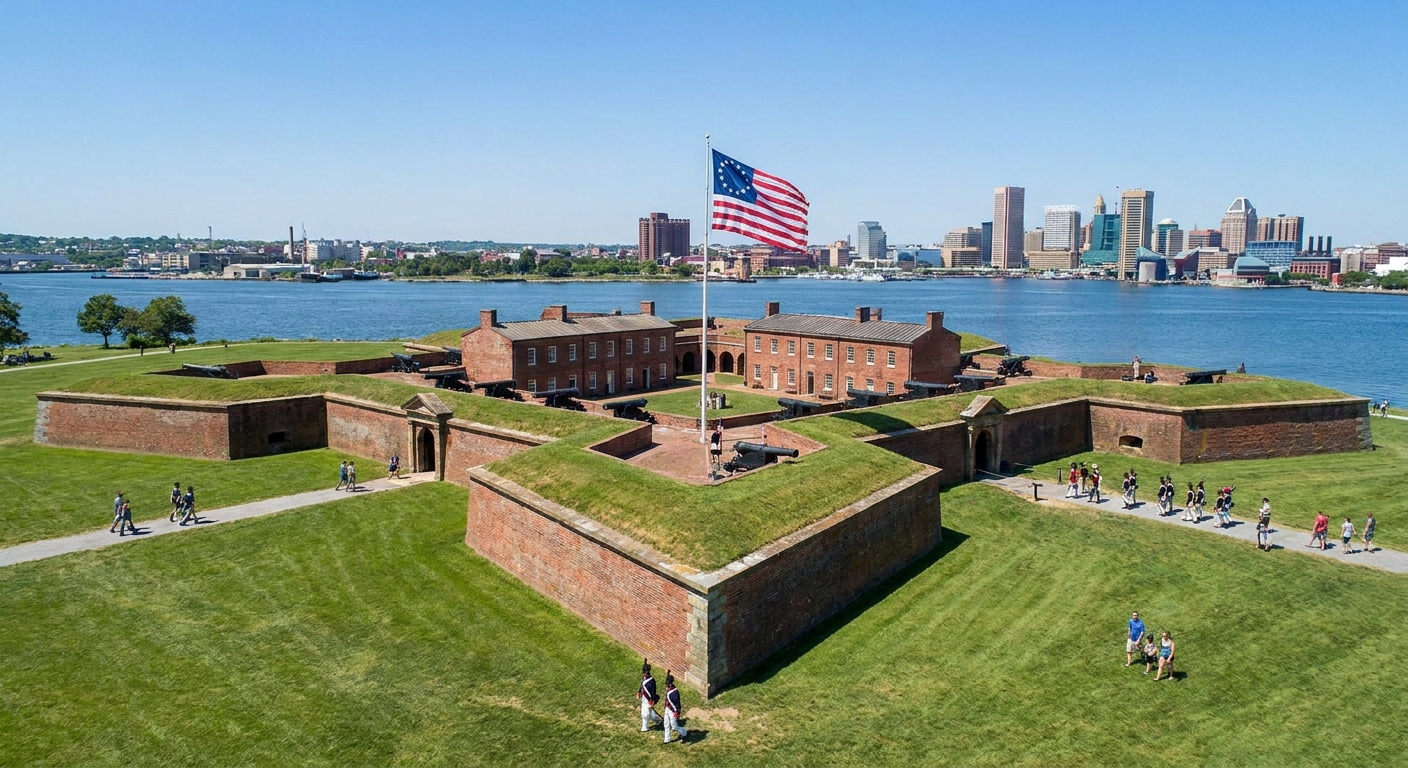
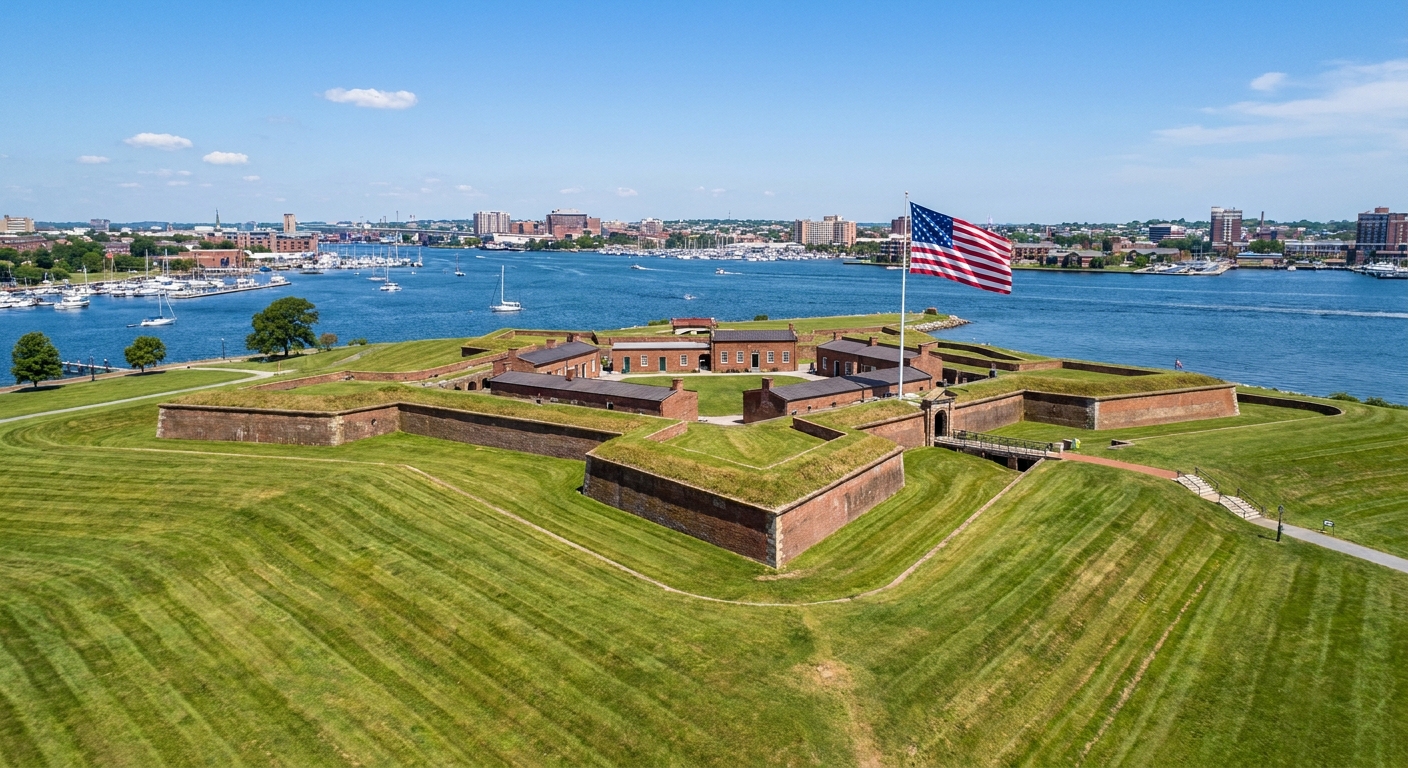
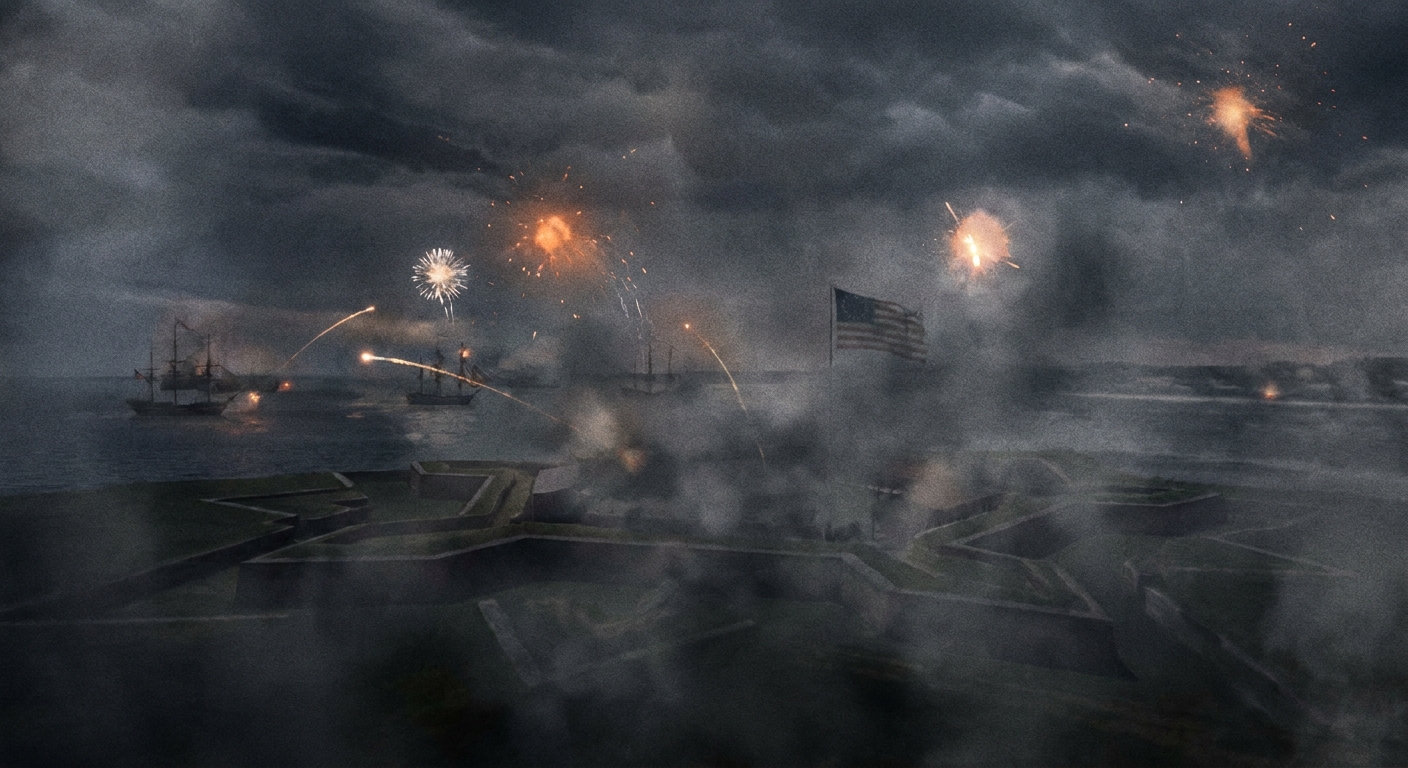
September brings the second iconic Chesapeake moment: the attack on Baltimore. On land, the fight at North Point helped blunt the advance and bought time, and Ross was killed in the fighting there. On the water, the British bombardment of Fort McHenry fails to crack the harbor defenses, and the raid strategy meets a city that has been preparing for months.
Fort McHenry’s endurance is often flattened into a single story about a flag, but the military reasons for the failed bombardment deserve attention too. I break those down in Fort McHenry: Why the Bombardment Failed.
Late 1814: aftermath and memory
After Baltimore, the immediate crisis eases, but the campaign leaves long scars. Some towns rebuild quickly. Others carry the losses for years through debt, claims, and family stories that sharpen with repetition. The Chesapeake has been shown, brutally, what coastal power can do when it can choose the time and place of contact.
The raid years also shape how Americans think about permanent defenses, naval policy, and local readiness. Waterways that connect you to markets also connect you to enemies.
Cockburn’s tactics
When readers ask me what made Cockburn so effective in the Chesapeake, I usually answer with three habits, not one genius trick. He was not the overall commander of the theater, but he was a driving operational presence inside the bay.
- He treated the bay like a road map. Rivers were routes, not barriers.
- He used small craft aggressively. Barges and boats let him reach deep inland where big ships could not follow.
- He aimed at morale as well as material. Seizing visible supplies, burning public property, and making examples of vulnerable waterfront targets carried a message beyond the immediate damage.
None of this excuses the suffering it caused. But it does explain why communities felt hunted. The tactics were designed to keep people guessing, moving, and afraid.
Following it on foot
I am always tempted to turn a timeline into a set of walking days, because terrain is a teacher you cannot argue with. For the Chesapeake thread, Baltimore is the easiest place to start because you can still stand where the campaign’s momentum broke.
- Fort McHenry: Why the Bombardment Failed for the defensive story and what the British were up against.
- Mary Pickersgill’s Flag Shop in Baltimore for a civilian lens on the symbol that came to define the moment.
- Historic Sites Guide if you are building a broader travel list across the war.
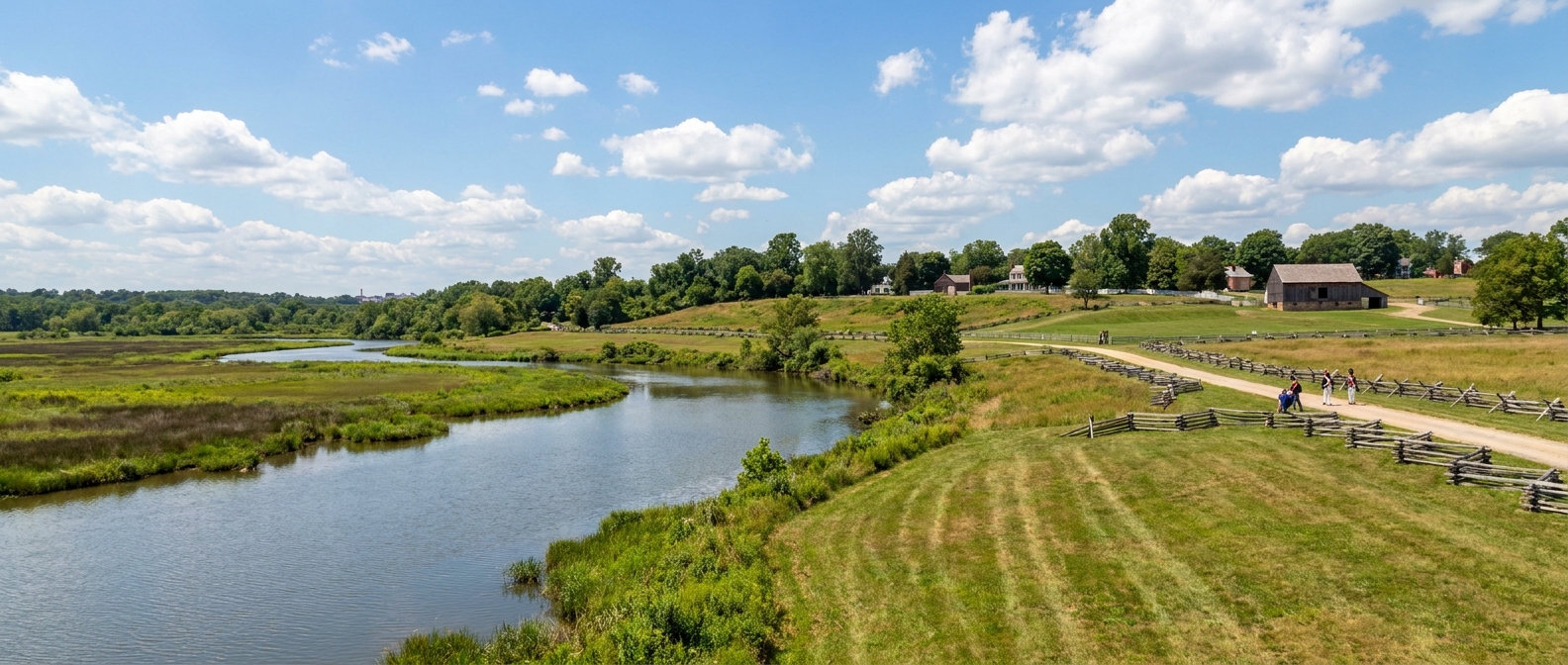
If you want a Chesapeake walk that is not Baltimore, pick one river and follow it like the raiders did. The Susquehanna corridor around Havre de Grace, or the Patuxent corridor where the 1814 force came ashore, both make the same lesson physical: the water is the route, and the towns sit right on it.
Quick timeline
| When | What shifts | What it feels like |
|---|---|---|
| Winter 1813 | Raids become frequent and purposeful under Warren’s station | River towns begin living on alert |
| Spring 1813 | Raids hit named towns (Frenchtown; Fredericktown and Georgetown; Havre de Grace) | Food, boats, and waterfront stores become targets |
| Summer 1813 | Raids sustain themselves through seizures and constant movement; Hampton is attacked | Militia races tide and distance, civilians move goods inland |
| Fall 1813 | Resistance and retaliation logic harden; coastal vigilance becomes routine | Rumor turns into standing preparation |
| Spring 1814 | More British resources, bay used as a working base | Communities expect the next blow |
| August 1814 | Benedict landing, Bladensburg, Washington burned | Shock, displacement, anger |
| September 1814 | Baltimore holds (North Point, Fort McHenry) | Relief mixed with exhaustion |
| Late 1814 | Aftermath and long memory | Claims, rebuilding, stories that harden |