
I grew up in upstate New York close enough to 1812 ground that my grandfather could turn a weekend walk into a history lecture with a stick and a roadside marker. Somewhere along the line, the War of 1812 became a stack of human moments for me, not just a stack of dates. And few moments are repeated as often as this one: Dolley Madison, First Lady of the United States, supposedly sprinting through the White House with a wagon full of treasures while the British marched in.
It is a terrific story. It is also a story that has gotten shinier over time, like a coin passed through too many hands. Dolley did help save key objects. She did not do it alone. And some of what popular memory credits to her either happened differently, happened later, or did not happen at all.
Here is what we can say with confidence, what remains murky, and where the most famous rescued pieces are today.
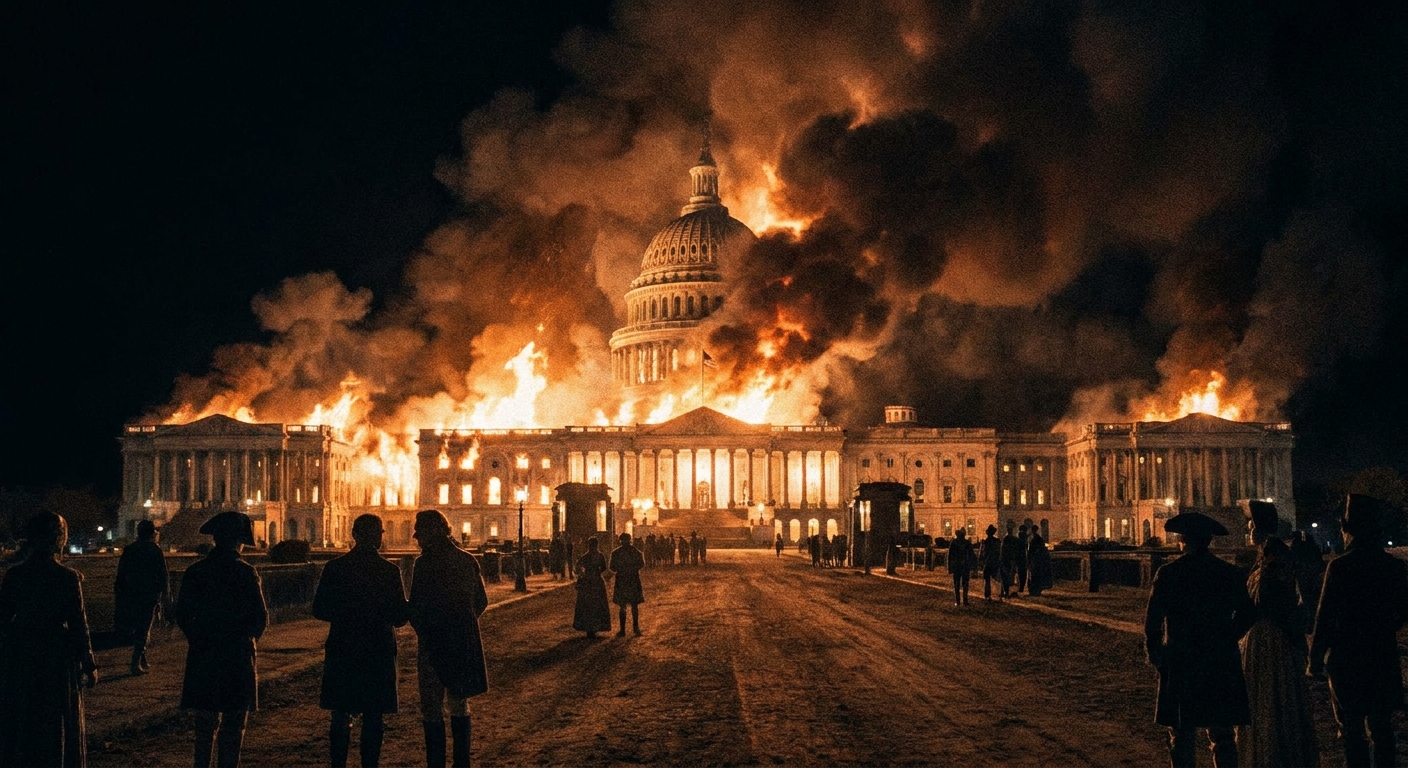
The day Washington burned
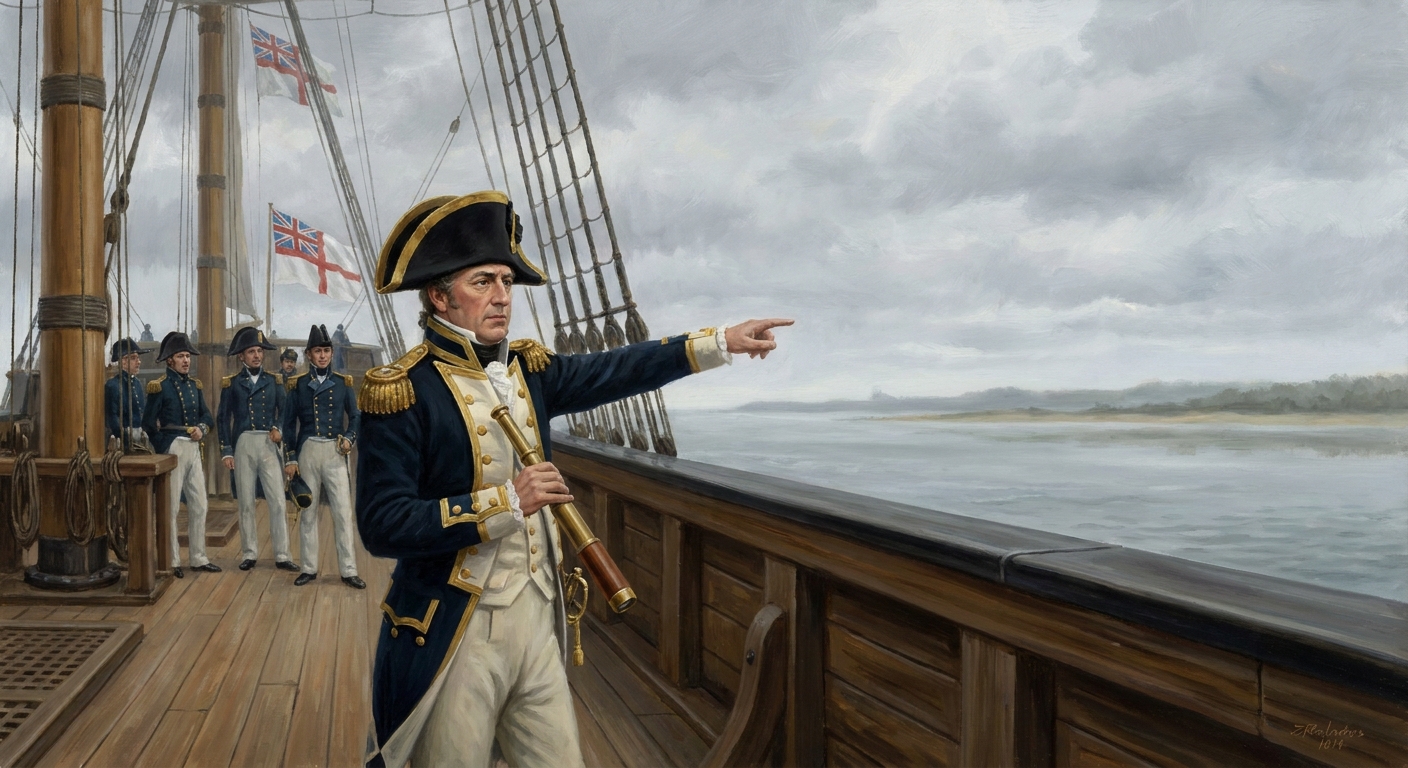
On August 24, 1814, the British entered Washington after the American defeat at Bladensburg. President James Madison was away with officials and militia, trying to gather information and keep the government from being captured whole. Dolley stayed at the Executive Mansion longer than most people thought wise, watching for news and waiting for word from her husband.
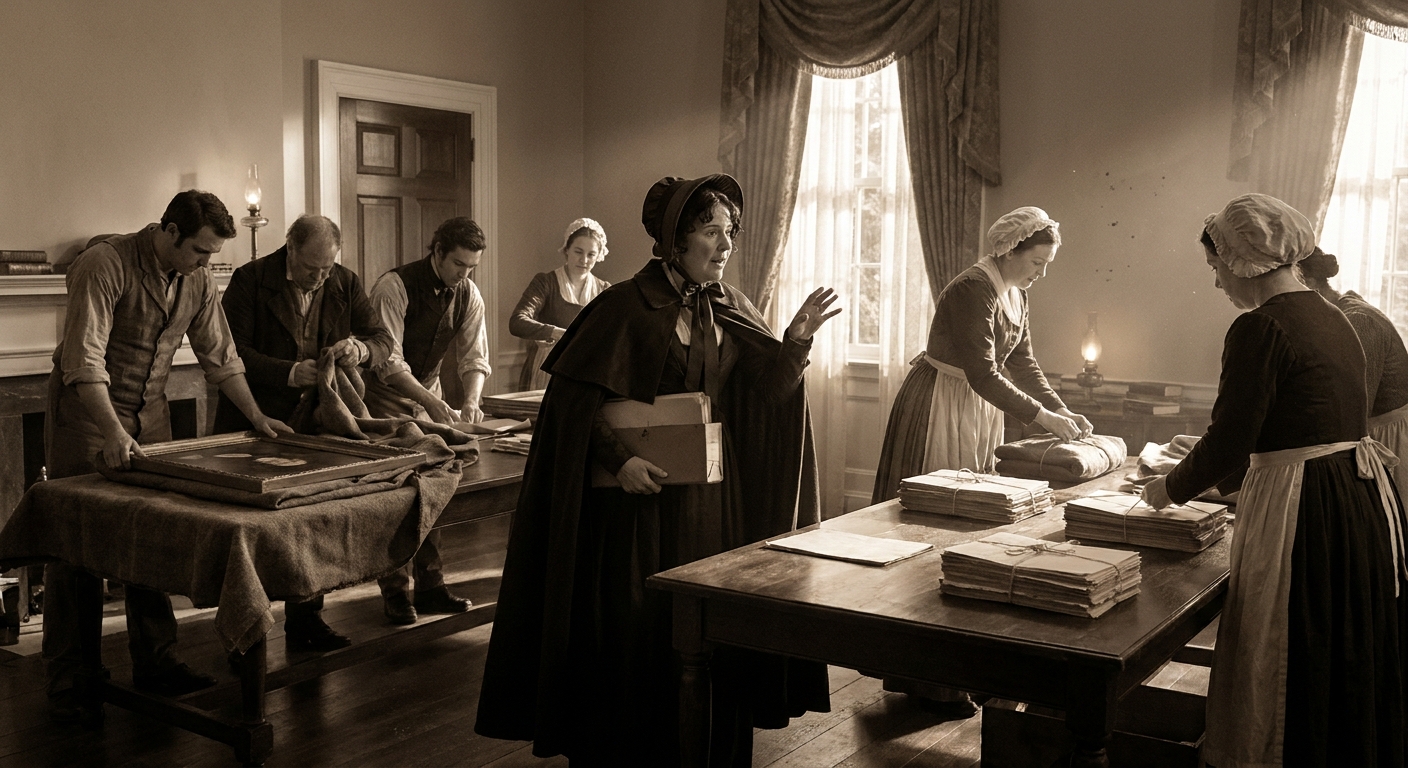
When the evacuation finally came, it was hurried and practical. There was no museum staff. There were no climate-controlled crates. There were servants, laborers, a few officials and friends, and whatever wagons could be found.
If you want the broader military context that made that frantic afternoon possible, I have a fuller walk-through of the campaign atmosphere here: Beyond the Bladensburg Races.
What Dolley did
The strongest backbone of the story comes from contemporaneous accounts and later recollections rooted in those accounts. Dolley’s actions are best understood as a few decisive choices made under pressure:
- She pushed for the removal of public papers and official correspondence. She wanted anything sensitive or symbolically important out of enemy hands, and she wanted it done before the last safe window closed.
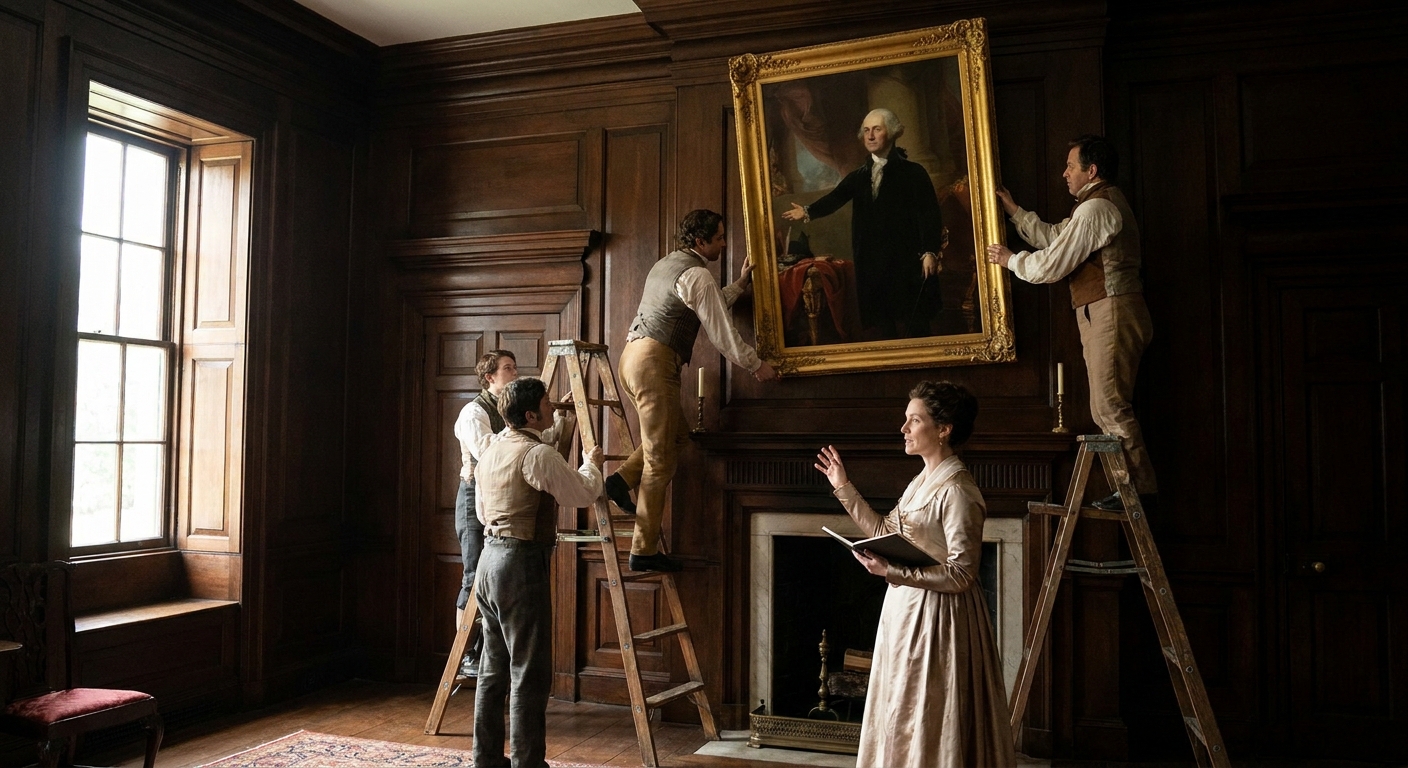
- She insisted on saving the Washington portrait. Not because it was the only thing worth saving, but because it was big, conspicuous, and meaningful. It was also hard to move quickly, which meant somebody had to make it a priority or it would be left behind.
- She coordinated more than she carried. In most versions closest to the documentary trail, Dolley directs, insists, and keeps the work moving. The physical removal is largely done by people in the household and by helpers strong enough to wrestle with a large frame.
That last point matters. Folklore often turns Dolley into a lone-action hero, arms full of national treasures, racing flames down the hallway. The real story is both more believable and, in its own way, more impressive: she kept her head, gave clear orders, and used her authority fast enough that other people could act.
The Washington portrait
When people say Dolley Madison “saved the White House treasures,” they usually mean one object: the Gilbert Stuart portrait of George Washington associated with the 1814 evacuation.
This is where retellings can get slippery. Stuart painted multiple well-known Washington portraits, and you will sometimes see the names of different “types” used loosely in popular writing. What matters for this story is the work long identified, in institutional retellings, as the Stuart Washington portrait rescued from the Executive Mansion.
What we can say safely: A Gilbert Stuart portrait of George Washington was removed from the White House before the British burned the building, and Dolley Madison pressed for its rescue.
How it came down: Later recollections describe a problem that feels instantly real to anyone who has ever tried to move something oversized in a hurry: the frame was stubborn, time was short, and the simplest solution may have been to take the canvas out of its frame. The consistent point across versions is urgency, and a room full of people doing whatever worked, fast.
Who did the heavy lifting: Dolley’s directions mattered, but the muscle work was done by others. That included White House staff, and it is important to say plainly that the household staff at the time included enslaved people. Paul Jennings, as a young enslaved servant who later wrote a memoir, is often cited in connection with the event. Some accounts also emphasize hired labor and other helpers, which is a good reminder that this was an evacuation, not a staged rescue with one clear lead actor.
Where it went next: In the most common tellings, the portrait and other bundles were sent out of the city to safer keeping and only later returned. The exact chain of hands is not always crisp in the sources, because Washington was in motion and everyone involved was improvising.
Where it is today: The rescued Stuart Washington portrait is in the White House collection and is sometimes on view, depending on access and curatorial decisions.
What else was saved
What was plausibly evacuated
Beyond the Washington portrait, sources and institutional histories point to a mix of:
- Public papers and official correspondence that needed to stay out of enemy hands.
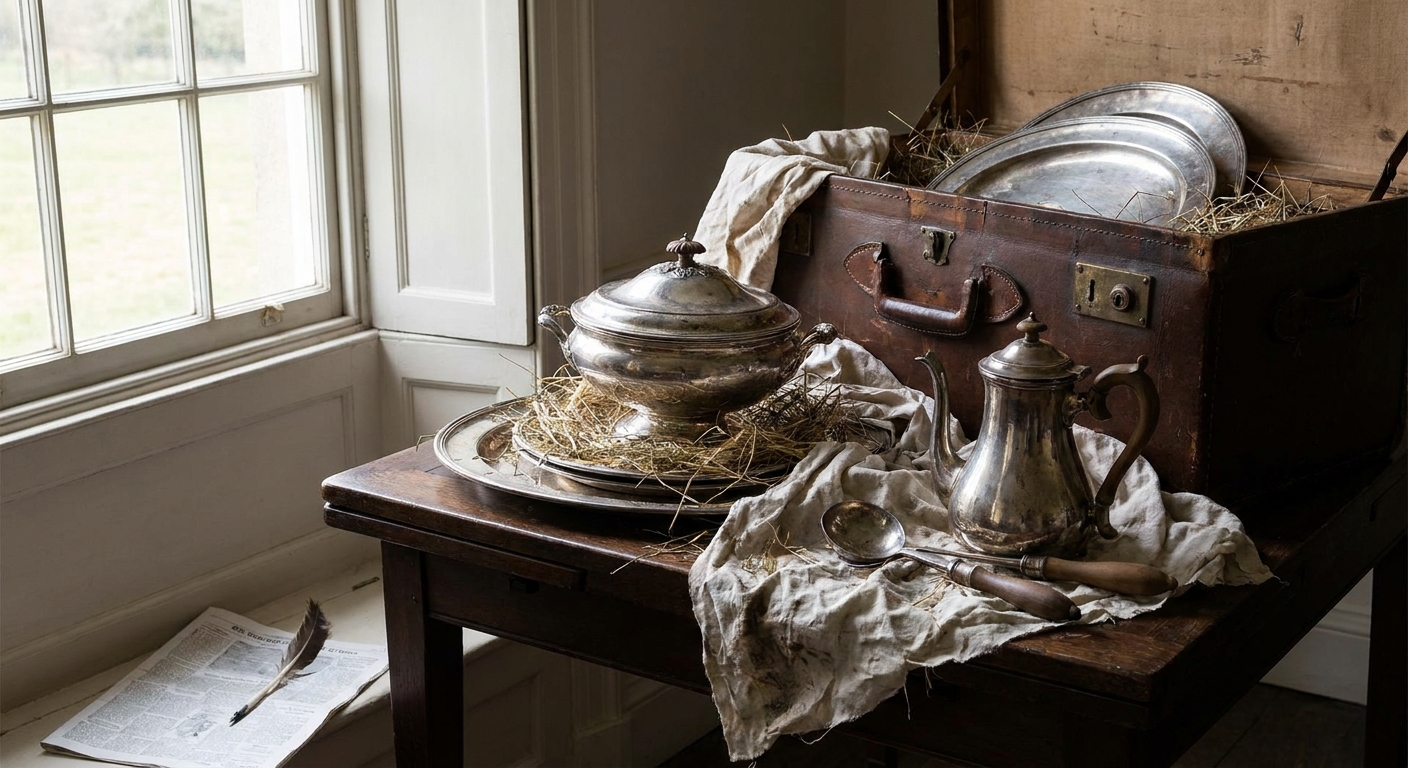
- Portable valuables including some tableware and select household items that could be boxed quickly.
- Personal possessions that Dolley and others could gather in the time available.
Because inventories were imperfect and the evacuation was chaotic, you will see cautious wording from serious historians: “saved,” “removed,” “carried off,” “secured.” That is not hedging for the sake of it. It is the honest texture of evidence.
Where the myth creeps in
- “Dolley saved everything important.” The White House was not emptied. Many furnishings and objects were left behind and were destroyed in the burning, damaged, or carried off in the chaos.
- “Dolley personally carried the painting away.” The record favors a story of Dolley ordering it saved and others doing much of the physical work.
- “The burning was random.” The destruction had strategic and retaliatory context. That does not make it any less devastating, but it does make it more intelligible as an act of war.
Where artifacts are now
One reason the Dolley Madison story persists is that it has an unusually satisfying afterlife. Some of these objects still exist, and they still sit in places where people can look at them and feel the closeness of 1814.
1) The Washington portrait (White House collection)
The best-known survivor is the Gilbert Stuart portrait of George Washington associated with the 1814 evacuation. It remains in the White House collection and is sometimes on view.
2) Other survivals (mixed provenance)
Other objects connected to the 1814 evacuation or the immediate post-fire rebuilding can be found today across federal collections and museums, especially in Washington. The challenge is that many pieces are associated with the era rather than proven to have been in the house on that exact afternoon. Curators will often separate documented provenance from traditional association, and that is a distinction worth respecting.
3) The paper trail
If you want to chase the documentation instead of the display cases, a reliable starting point that lays out Dolley’s role and the portrait’s rescue in institutional context is the White House Historical Association: https://www.whitehousehistory.org/.
Why the legend grew
I have read enough wartime letters and postwar recollections to notice a pattern: people like clean heroes in messy moments. Washington in 1814 was messy. The defeat at Bladensburg was humiliating. The capital burned. In the years that followed, Americans wanted a story that felt like dignity survived the flames.
Dolley Madison offered exactly that. She was politically savvy, socially connected, and already famous in her own right. In the legend, she does what a nation wishes it had done in the moment: act decisively, preserve the symbol, refuse to panic.
The more you strip away the exaggerations, the better her real role looks. She did not need to be a one-woman moving crew to be brave. She needed to recognize what mattered, insist it be saved, and do it while Washington shook under the approach of an enemy army.
Quick fact check
- Did Dolley Madison save the famous Washington portrait? She pressed for its removal, and a Gilbert Stuart portrait of George Washington was successfully evacuated.
- Did she do it alone? No. Accounts credit household staff and helpers with the physical work, with Dolley directing and insisting.
- Were enslaved people involved? The Executive Mansion staff included enslaved people. Paul Jennings, as a young enslaved servant who later wrote a memoir, is often cited, alongside references to other helpers and hired labor.
- Did the White House lose most of its contents anyway? Many items were left behind and were destroyed, damaged, or carried off during the occupation and burning.
- Can you still see the portrait today? It is in the White House collection and is sometimes on view, subject to access and display.
If you enjoy the people-centered side of this war, you can browse more character-driven stories in our People guide. For the broader rhythm of the war and where this moment sits in the arc of 1812 to 1815, the Timeline guide is a good companion.