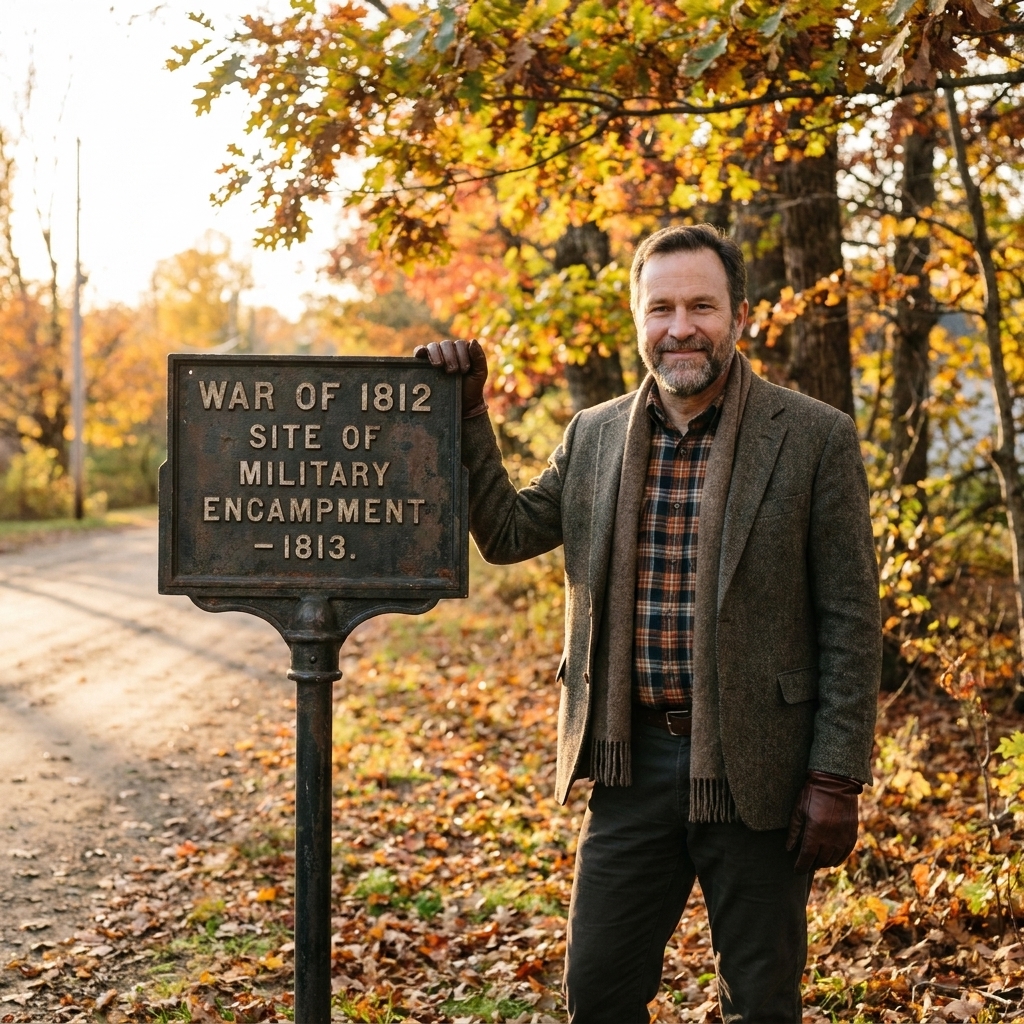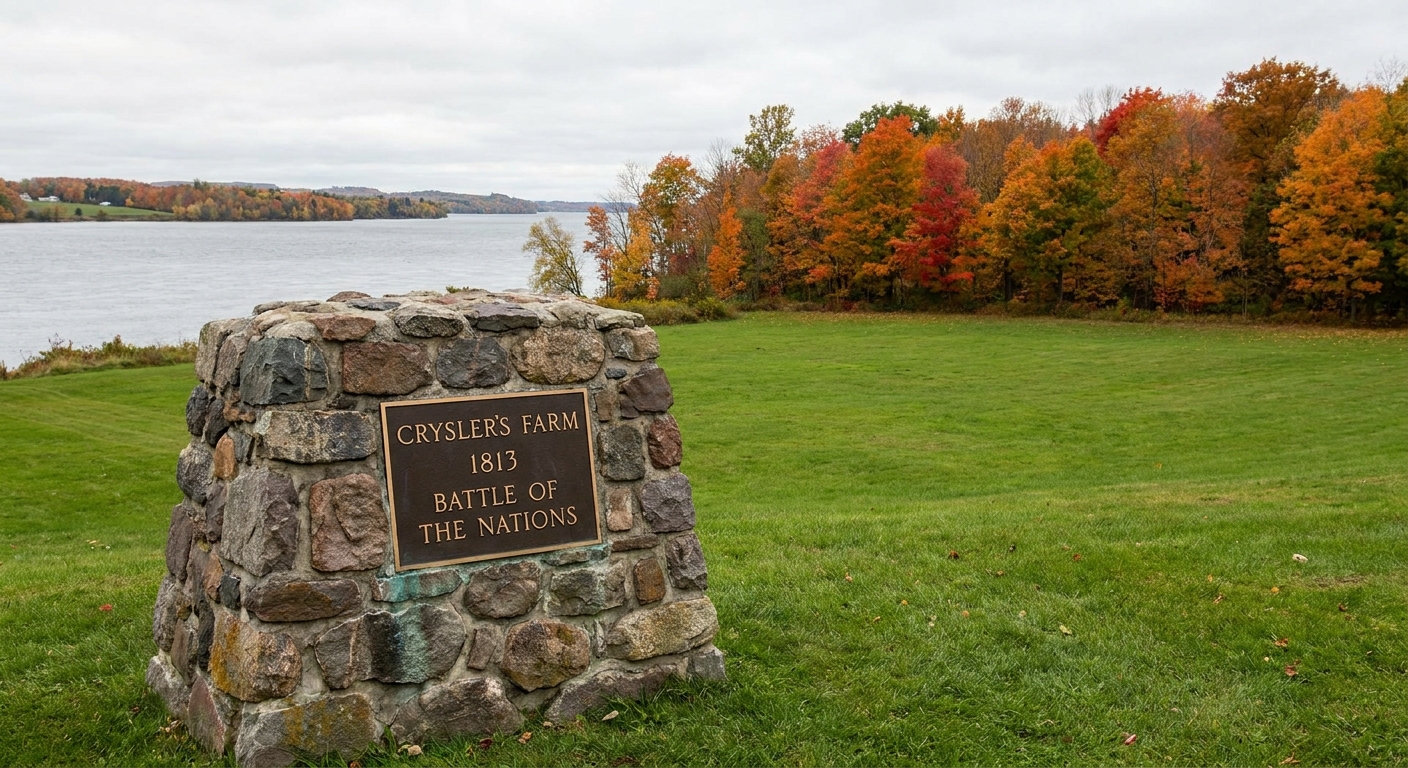

I grew up in upstate New York, close enough to old battlegrounds that my grandfather could steer our weekend walks by half-forgotten markers and the shape of the land. Years later, I started showing up at War of 1812 reenactments for the same reason I still hike those fields: I wanted the past to feel like a place, not a paragraph.
A good reenactment is not just smoke and shouting. It is a living classroom where you can learn how hard it was to stand in line with wet shoes, how quickly black powder fouls a musket, and how civilians tried to keep families fed when armies camped nearby. These seven tips will help you find the right events, read what you are seeing, and come home with something more lasting than a few photos.
1) Pick the right kind of event
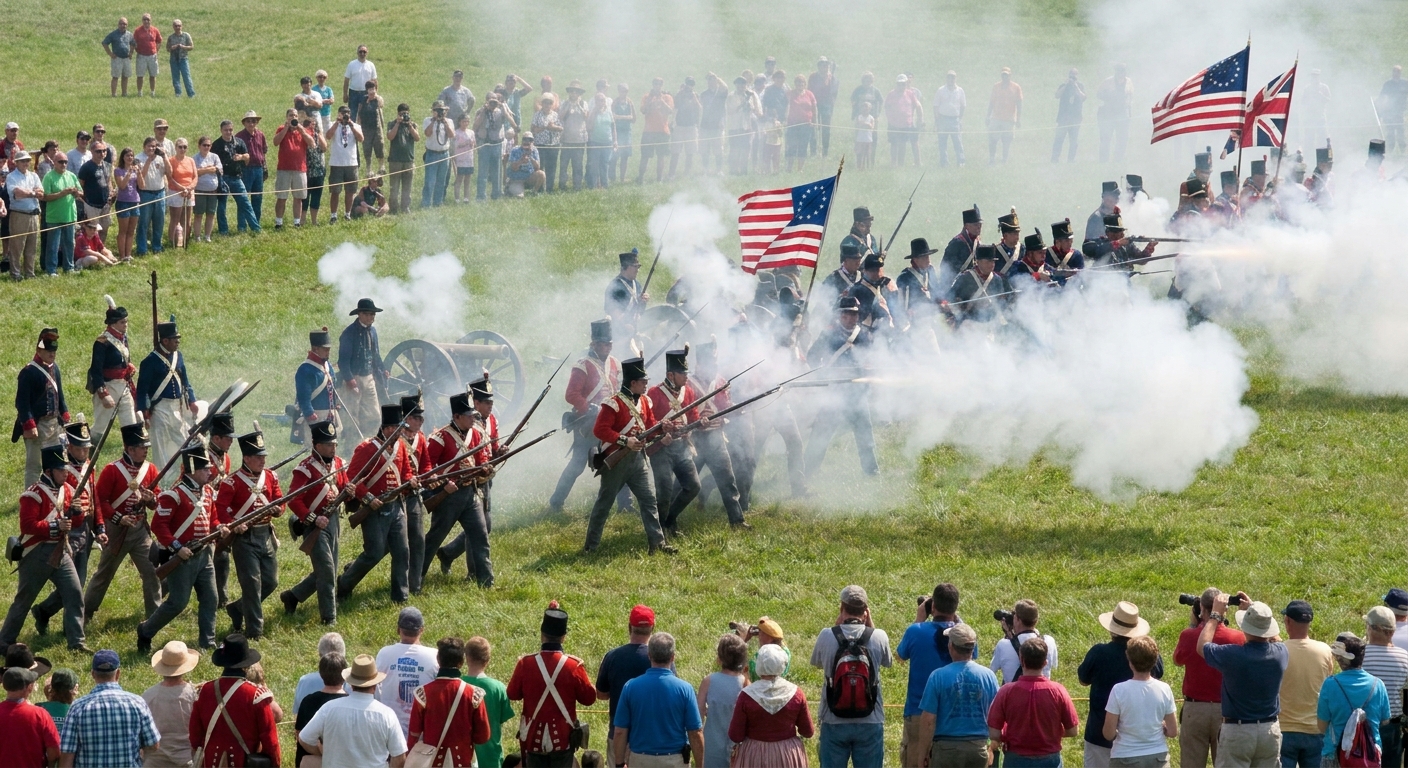
Not all reenactments aim for the same thing. Some are big public spectacles with narrated battles and vendor rows. Others are smaller and more interpretive, where you can spend time talking with soldiers and civilians and learn how daily life worked.
- If you want orientation and context, look for events with scheduled talks, narrated battle scenarios, and dedicated interpretation tents.
- If you want deep learning, look for living history weekends and encampment-focused events where the camp is as important as the fight.
- If you are bringing kids, prioritize events that advertise hands-on stations, drills, cooking demonstrations, and clear spectator boundaries.
If you are just getting started, use our guides as a compass so you know what battles, regions, and units you are likely to encounter: Guide to Battles and Guide to the Timeline.
2) Arrive early and start in camp
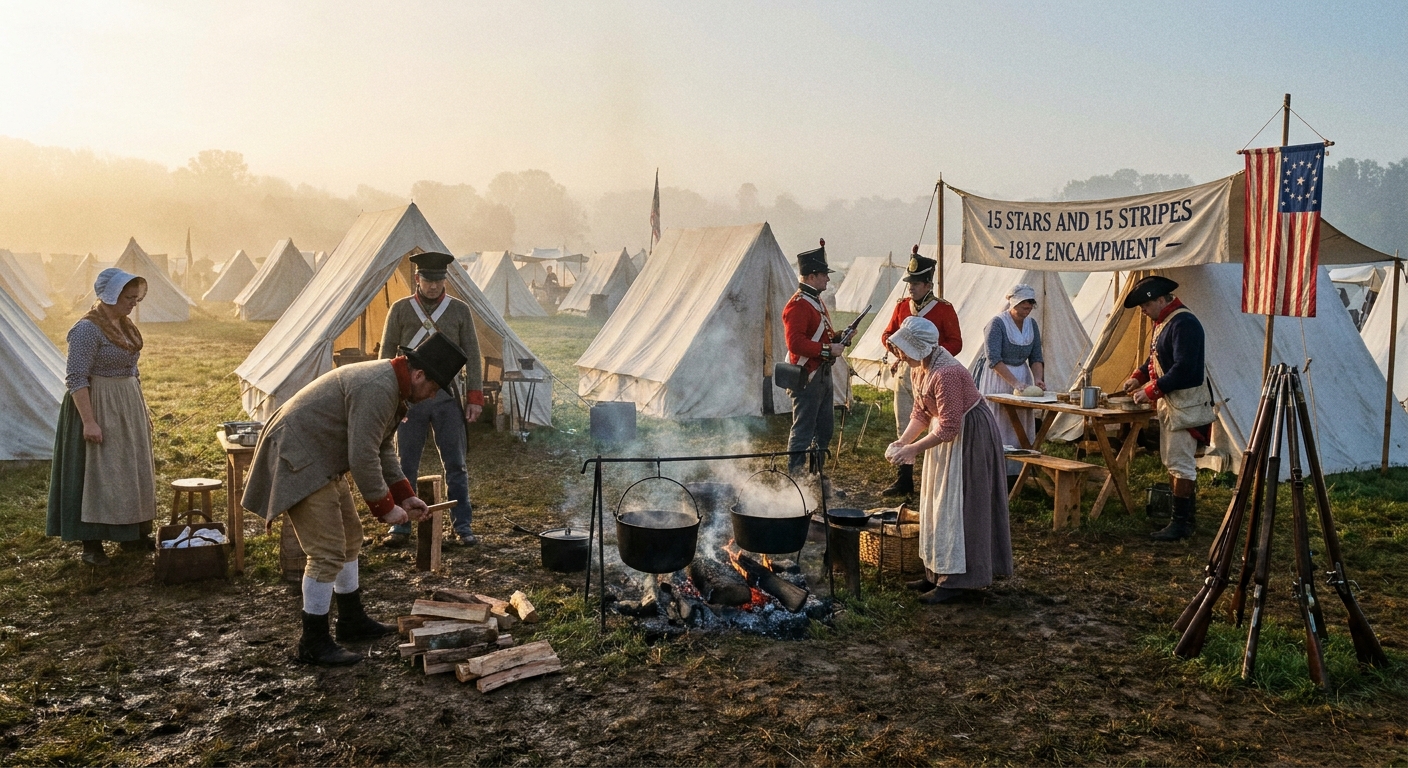
Here is the secret that reenactors know and first-time spectators often miss: the best history usually happens before the first volley. Early hours are when camps are being set up, breakfasts are cooking, and people have time to talk without a schedule pressing them forward.
When you walk through an encampment early, you can notice the small truths: how gear is packed, how cramped a tent feels, how quickly a tidy camp turns muddy under foot traffic. Those details are often closer to the soldier’s real day than the battle scenario itself.
One quick courtesy that goes a long way: some groups keep parts of camp as authenticity zones, and not every tent is open to the public every minute. If you see a rope line, a sign, or a closed flap, treat it like a boundary and ask before stepping in.
3) Learn who is who before the firing starts
Even a well-narrated reenactment can feel like chaos if you do not know who is who. Give yourself ten minutes of homework on-site.
- Ask what is being portrayed. Is it a specific battle, or a representative engagement from a campaign?
- Identify the forces. In War of 1812 portrayals you may see U.S. Regulars, state militia, British regulars, Canadian militia, and Indigenous allies. What that looks like can vary widely by region and unit, so it helps to ask what a group is representing and what sources they are drawing from.
- Ask what the objective is. Holding a bridge, burning a supply depot, covering a retreat, probing a shoreline. Battles make more sense when you know what each side is trying to accomplish.
Our Guide to People can also help you recognize key commanders and political figures you might hear referenced in narration and camp conversations.
4) Pack for long hours and loud noise
If I could hand every first-timer a single piece of advice, it would be this: dress for standing still outside. Reenactments are not like hiking, where you keep warm by moving. You will pause, watch, wait, and then walk to the next viewing area.
- Ear protection: Cannons and muskets are genuinely loud. Small foam earplugs make a huge difference, especially for kids.
- Footwear: Waterproof boots or shoes you do not mind ruining. Fields turn to churned mud fast.
- Layers: Morning chill, midday sun, sudden rain. Dress like you are going to be surprised by all three.
- Water and snacks: Even when vendors exist, lines and prices can be unpredictable.
- Sun and bug protection: The 1812 soldier had wool and misery. You have better options.
And one more practical note: black powder smoke can bother some people with asthma or other sensitivities. If that is you, follow event safety guidance, choose a viewing spot upwind, and give yourself permission to watch from farther back.
If accessibility is a concern, it is worth checking event rules and site conditions ahead of time. Uneven ground, long walks from parking, and limited shade are common. Many events can point you toward flatter viewing areas or quieter spots if you ask.
5) Ask questions that get real answers
Most reenactors love good questions. The trick is asking questions that invite explanation, not a yes-or-no.
Questions that usually spark good conversation
- “What impression are you portraying today, and why that one?”
- “What would you have eaten on a normal day in this campaign?”
- “What is the most annoying part of your kit after a few hours?”
- “What misconception do you hear from spectators all the time?”
- “Is this drill British-style or American-style, and how can I tell?”
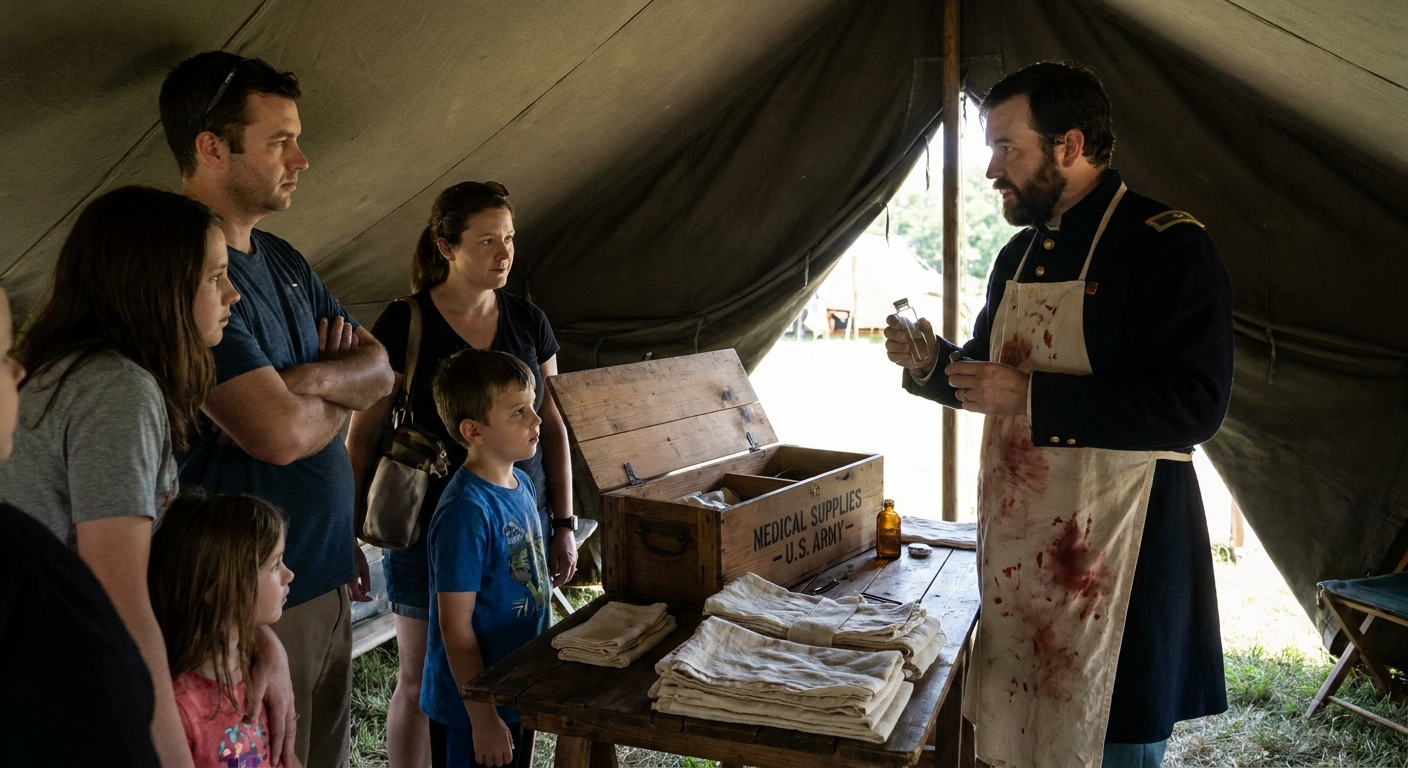
Also take time to visit any civilian or medical impressions. Army life is only part of the story. The War of 1812 was fought not only in formal lines of battle, but also in kitchens, barns, shorelines, and along the trade routes that kept people fed and armies moving.
6) Watch the field, not just the smoke
If you treat the battle as a set-piece performance, you will remember noise and smoke. If you treat it like a terrain puzzle, you will remember why people moved and what the landscape forced them to do.
What to look for
- High ground and cover: Small rises, fence lines, the edge of the woods, and shallow depressions mattered a lot when smoke reduced visibility.
- Water and crossings: Creeks and marshy spots can stall formations and break momentum.
- Wind direction: Smoke drifts. A unit downwind can vanish into its own fog.
- Intervals and control: Notice how quickly a neat line becomes ragged once people start moving.
After the battle, walk the field if it is allowed. Stand where the line stood. Look toward the objective. That simple act has taught me more than a dozen tidy summaries.
7) Leave with one story
It is easy to go home with a camera roll and no real memory of what you learned. Before you leave the grounds, pick one human detail to carry with you.
- A ration you saw cooked and what it smelled like.
- A blister story from someone portraying a soldier on the march.
- A civilian account of what it meant to have an army nearby.
- A moment when smoke made the battlefield feel suddenly confusing and close.
That one detail becomes a hook. Later, when you read a diary line about sore feet or scarce flour, you will not skim past it. You will feel it in your bones, because you stood in a field where the ground tried to swallow your boots too.
If you want more ways to connect events to places you can still visit, start with Guide to Historic Sites. And if you want to know a little about the fellow writing this, you can find me here: Josiah Harding.
Etiquette and safety checklist
- Stay behind ropes and barriers. They exist for a reason, especially around artillery.
- Do not touch weapons or gear without permission. Some items are expensive, fragile, or actively in use.
- Ask before photographing kids or close-ups inside tents. Most people say yes, but it is good manners to ask.
- Keep pets controlled and away from firing lines. Loud reports can spook even calm animals.
- Follow staff instructions immediately. Black powder events run on safety culture.
Planning help
If you are trying to build a weekend around an event, I always recommend pairing the reenactment with a real battlefield walk or local museum stop while you are already in the area. Even an hour on the ground can turn a fun day out into a deeper understanding of the campaign.
For site-wide navigation, the site map is the quickest way to hop between battles, people, and timeline context.