
I grew up in upstate New York close enough to hear the lake wind change and know when it was going to rain. My grandfather and I used to walk old roads where the War of 1812 still clings to the landscape in faint marker posts and half-forgotten local stories. On those walks, one name came up again and again, usually spoken like a password: Laura Secord.
She deserves her place in memory. But she is not the whole story. The war pulled women into danger in ways that were not symbolic or decorative. They carried warnings, handled wounded, kept families alive, and sometimes quite literally fought.
What follows are five women, or groups of women, whose actions are either documented in surviving paperwork or strongly attested in near-contemporary accounts and local records. Not tidy parlor legends, but human decisions made under the pressure of fire, hunger, and fear.
1) Mary Pickersgill and the flag
Where: Baltimore, Maryland
Why she matters: The Star-Spangled Banner has a name, a place, and a maker, and the maker was a working woman running a business.
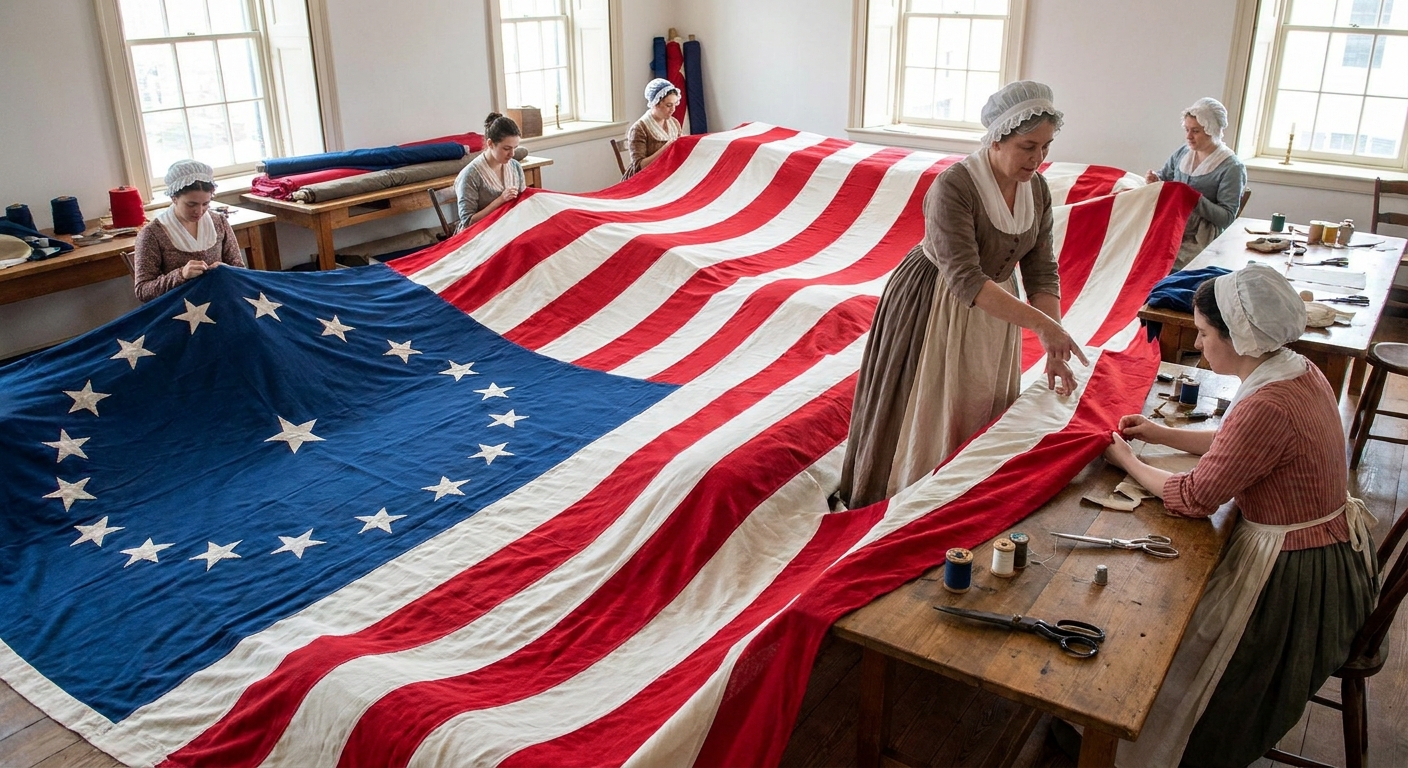
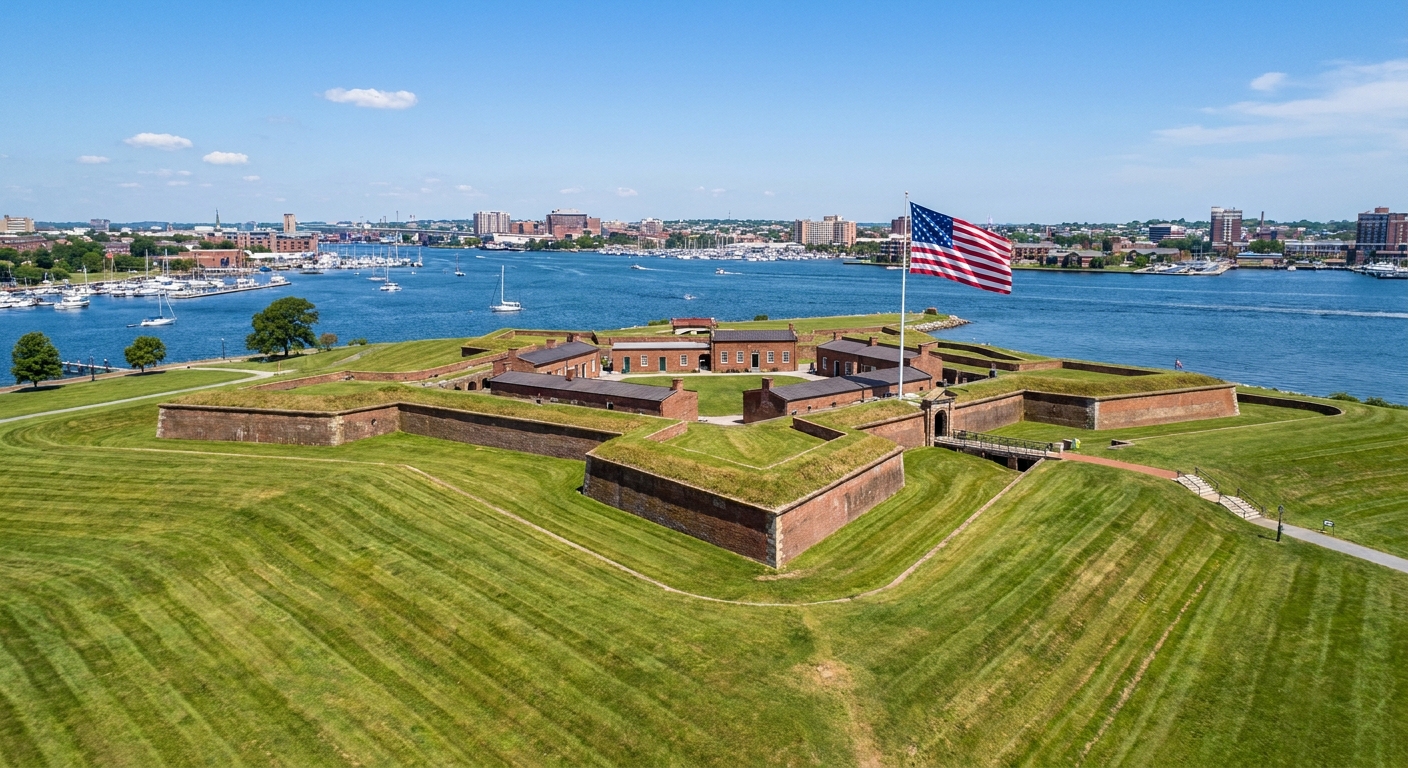
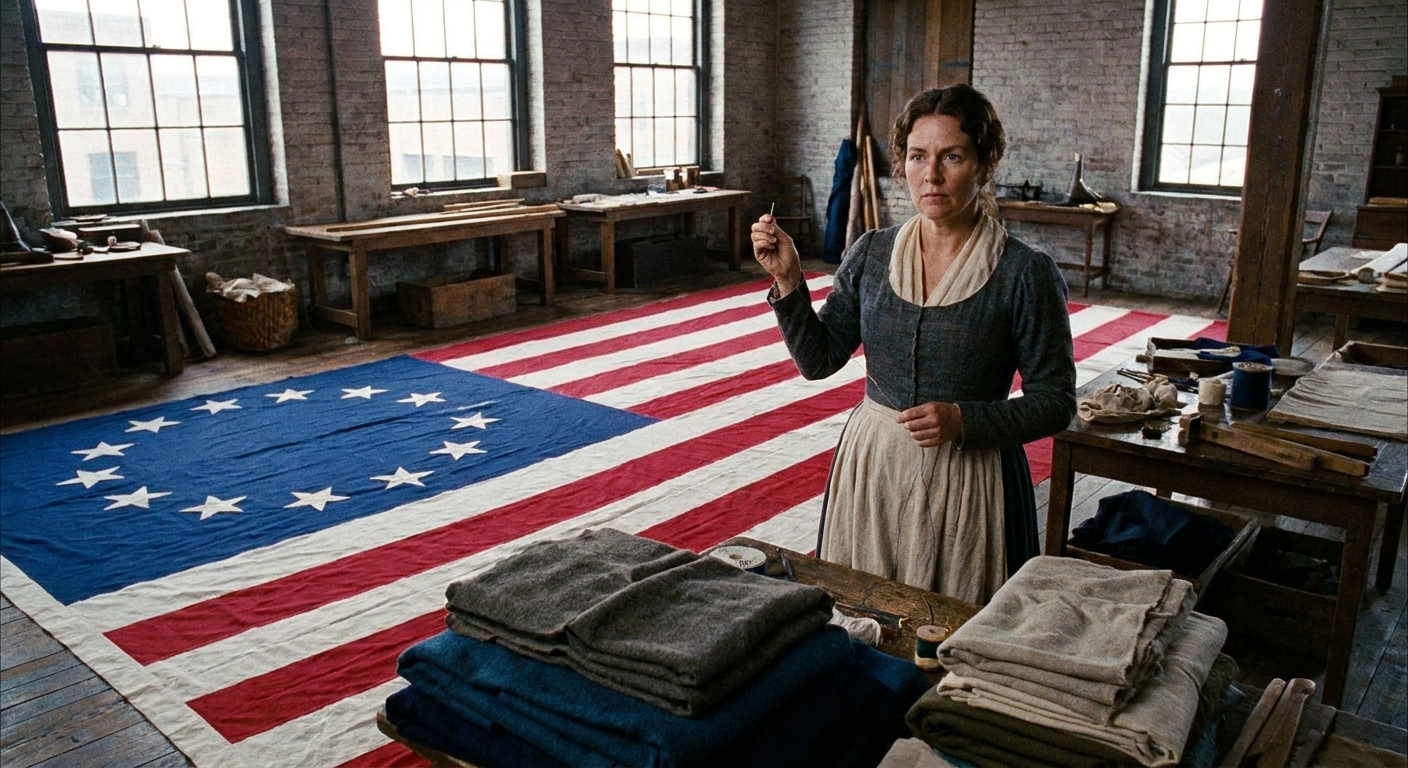
When people talk about the War of 1812 and women, they often leap straight to symbolic patriotism. Mary Pickersgill is a better, more grounded story than that because her work was practical, contracted, and verifiable. Pickersgill was a professional flag maker in Baltimore who, along with her workers and family members, sewed the enormous garrison flag made for Fort McHenry.
That flag was not stitched for a poem. It was built to be seen through smoke and distance, and it was hoisted over a fort that would take a brutal pounding. If you want to connect the war to everyday labor and the hidden infrastructure behind morale and military identity, start here. The most famous “sight” of the war was the product of skilled hands at a worktable.
If you want the battlefield context for why that flag mattered so much to American memory, I wrote about the defensive problem the British faced and why the bombardment did not achieve its goal in Fort McHenry: Why the Bombardment Failed.
2) Fanny Doyle at Fort Niagara
Where: Fort Niagara, New York
Why she matters: She did not just endure the war at the edge of a garrison. During a bombardment, she helped keep the guns working, and the commander noticed.
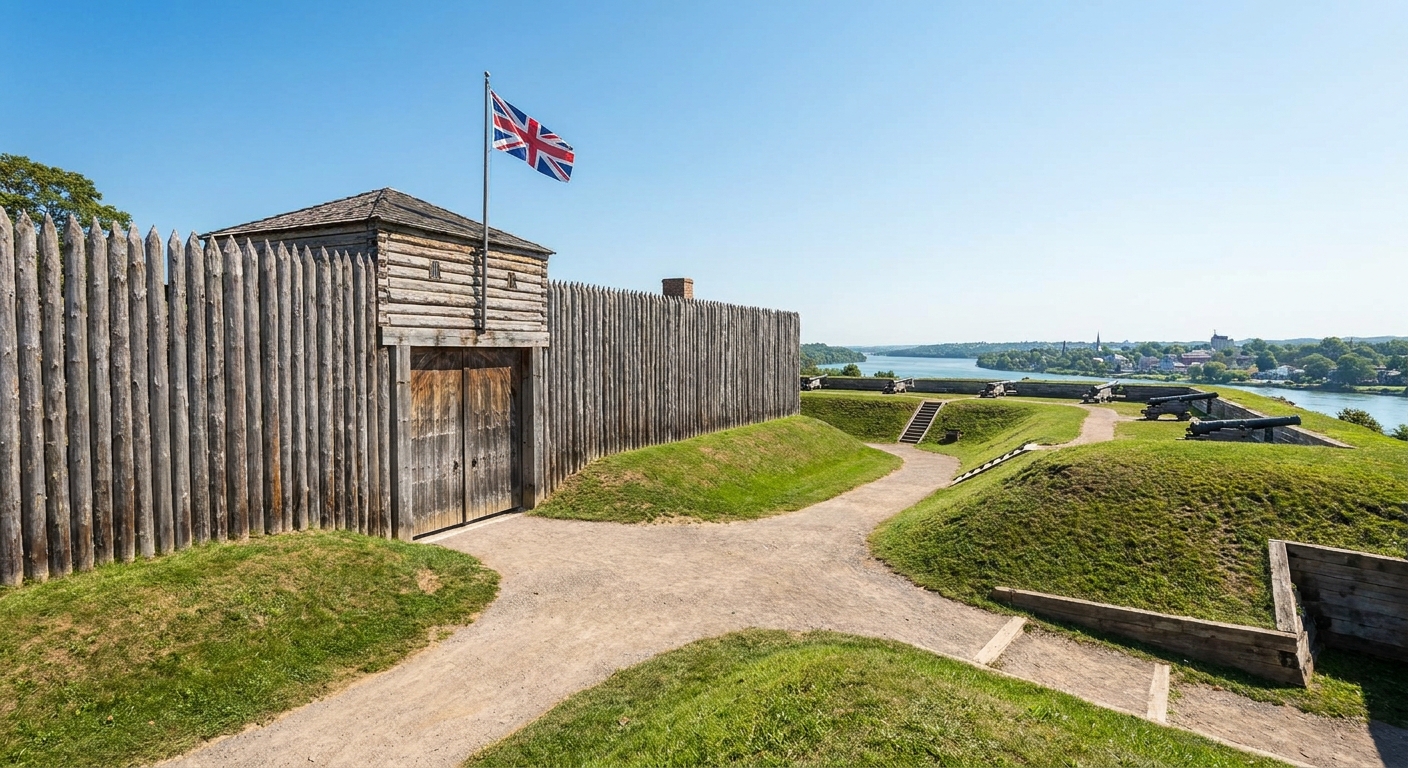
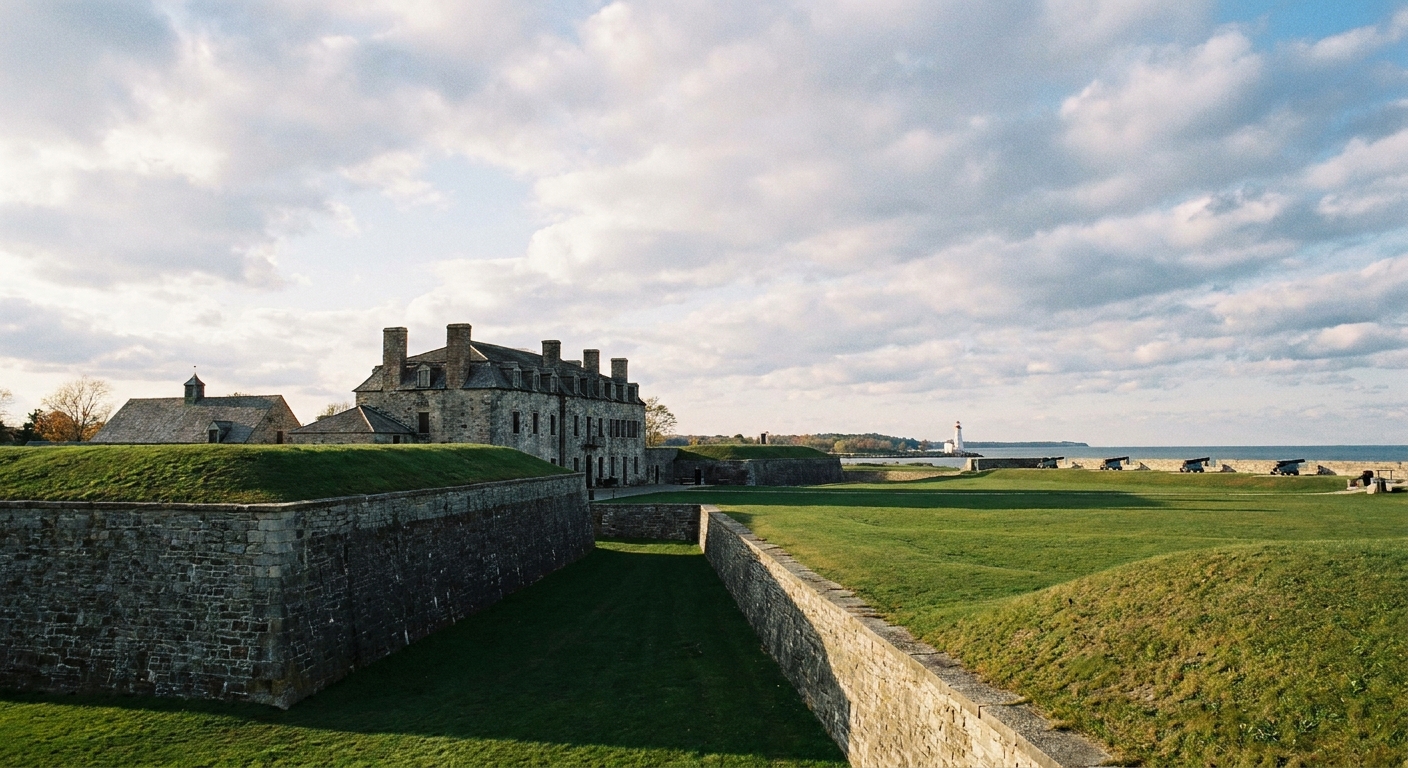
Fort Niagara sat at a hinge point of the war, where the Niagara River meets Lake Ontario and every shift in control rippled through nearby towns. In late 1812, the post took fire in one of those ugly, workmanlike artillery exchanges that rarely get quoted in schoolbooks but shaped daily life on the frontier.
Fanny Doyle is remembered because she stepped into the most dangerous kind of routine. In accounts tied to an 1812 bombardment at Fort Niagara, she is described at the batteries doing the close-in labor that keeps an emplacement alive when everything is shaking: carrying ammunition and supplies to the gun crews so they could answer fire. That is not a metaphor. It is hands near iron and open powder, while enemy rounds come in.
I am careful with details here because later retellings love to sharpen the scene. You will sometimes see specific claims about “hot shot” in popular summaries, but unless the original wording in the contemporary report is in front of you, it is better to keep the description honest and broad: she helped serve the guns under fire.
The part that matters most is also the easiest to overstate. Her conduct was noted in official military paperwork at the time, the kind of record that tends to be stingy with praise. Even without treating the story like a trumpet blast, that alone tells you something. In a fort where survival depended on routine done correctly, someone decided her nerve and labor were worth recording.
I keep coming back to cases like hers because they refuse to let the war be only marching columns and named officers. They force you to picture the domestic life that existed inside these military spaces, and how quickly it could turn into emergency labor under fire. If you are building a wider picture of individuals tied to the conflict, our People guide is a useful hub.
3) Rebekah Bates at Scituate
Where: Scituate, Massachusetts
Why she matters: Her story sits in a credible wartime pattern: small coastal communities using deception and nerve to delay or deter raids.
Along the New England coast, the War of 1812 could feel like a long season of dread: sails on the horizon, rumors moving faster than horses, and the possibility of a sudden landing. Rebekah “Rebecca” Bates is remembered for one of the simplest and most human weapons available to an unarmed civilian in a moment like that: boldness.
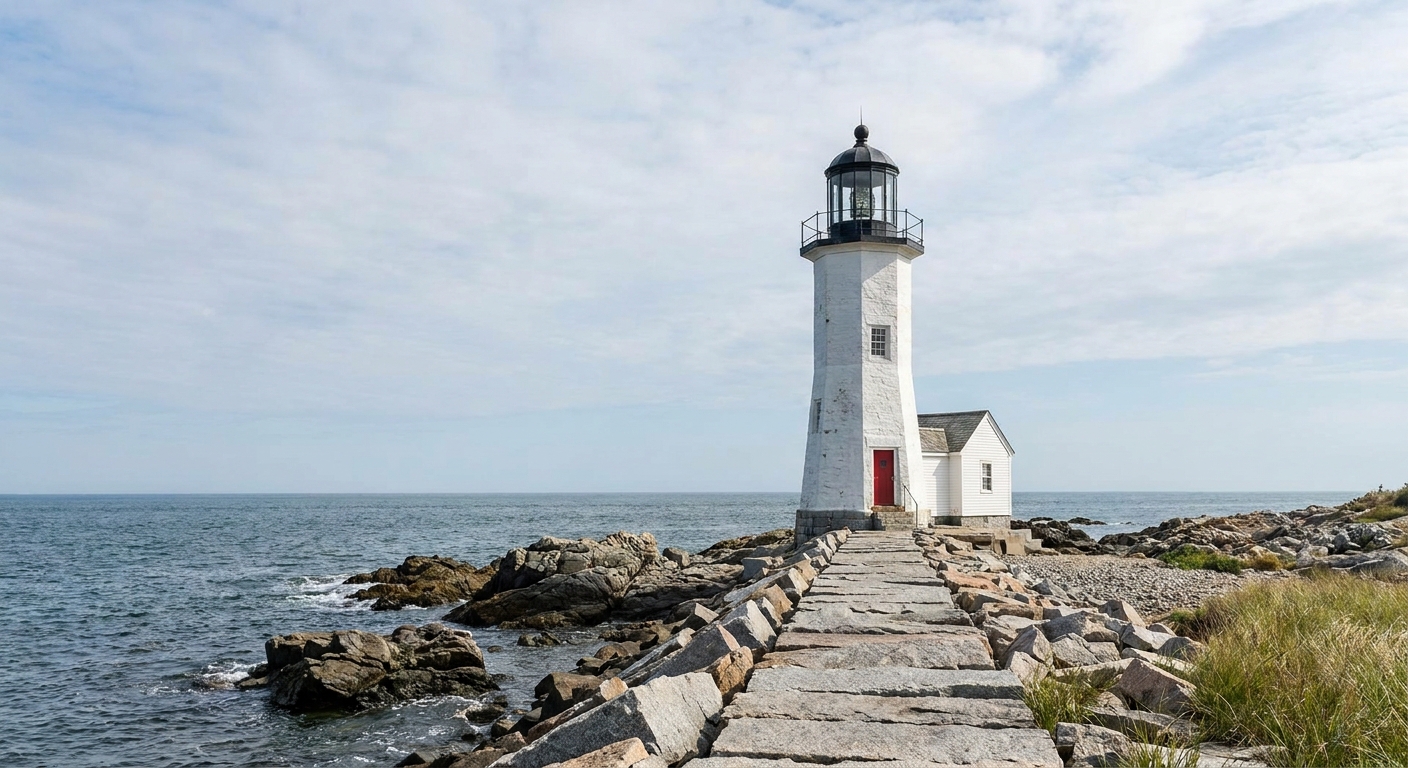
At Scituate Lighthouse on Massachusetts’ South Shore, the best-known version of the story places Bates and her sister Abigail in the path of British raiders. With little more than noise, nerve, and quick thinking, they helped create the impression that armed resistance was close at hand.
It is also the entry on this list that lives closest to the seam between documentation and tradition. The core event is anchored in strong local memory and later historical treatment, rather than the kind of clean military paperwork you get with a contract or an order book. I still include it because coastal raiding pressure was real, and because communities did, repeatedly, survive by bluff, speed, and improvisation when formal protection was thin.
There is a reason stories like Bates’s survived. Coastal towns did not have the luxury of assuming help would arrive before the ships did. Women, men, elders, and teenagers all played parts in these tense, improvised defenses, and Bates stands out because her part was so exposed and personal.
4) Laura Secord, without shine
Where: Niagara Peninsula, Upper Canada
Why she matters: Her walk was not a fairy tale. It was intelligence work done on foot through dangerous country, while war was chewing up farms and families.
I promised you this list would go beyond the legend of Laura Secord, and it will. But I will not pretend she is optional. Part of what has always bothered me is how her story gets polished until it shines like a commemorative coin. When you strip away the varnish, what is left is more impressive.
Secord’s warning to British and Indigenous allies about an impending American move was a civilian intelligence act with real consequences. It involved leaving the fragile protection of home and traveling through a landscape that could punish mistakes. This was the Niagara frontier, where the line between soldier and civilian blurred daily, and where the wrong encounter could mean interrogation, assault, or worse.
If you have ever walked the Niagara region and felt how quickly terrain shifts from settlement to thick cover, you can feel the stakes in your legs. And if you want to understand the broader Niagara fighting, including the way victory and exhaustion twisted together in 1814, see Queenston Heights vs. Lundy’s Lane: What Secured Canada’s Border?.

5) The women at Fort Erie
Where: Fort Erie, Upper Canada, 1814
Why they matter: When forts turned into casualty factories, women inside them did dangerous, essential work that shows up in memoirs, diaries, and postwar recollections.
When people picture battlefield medicine in the War of 1812, they often imagine surgeons and orderlies and stop there. But forts and camps were not sealed military bubbles. Women were present as wives, laundresses, cooks, and helpers, and during desperate moments their roles expanded because the situation demanded it.
During the hard fighting around Fort Erie in 1814, multiple firsthand and near-firsthand accounts describe women moving among the wounded with water, bandages, and improvised aid while danger still pressed close. That is the kind of detail I linger on because it is so unglamorous. It is not a banner moment. It is the hot, repetitive work of keeping someone from slipping away, one mouthful at a time.
If you have never tried to carry a full bucket across uneven ground, you might not feel it at first. Now add darkness, cramped space, panic, and the concussion of guns. Courage is sometimes the decision to keep walking into the same exposed corridor, again and again, because the men on the floor cannot move and the work has to be done.
Even when individual names are not preserved as neatly as officers’ names, the presence of women in those Fort Erie scenes is not an invented ornament. It is part of how a battered garrison stayed alive long enough to matter.
How to read these stories
One of the easiest traps with women’s war stories is swinging between two extremes: ignoring them entirely, or polishing them until they stop being human. Here is how I try to keep my feet on the ground when I read these accounts.
- Look for paperwork. Depositions, pension materials, contracts, pay records, and contemporary letters are where the firm edges tend to be. If you want a hands-on way to dig into that kind of evidence, my guide to tracing War of 1812 military and pension records will help you get oriented.
- Track how a story is carried. A true event can accumulate dramatic phrasing over decades. That does not always mean the core is false, but it does mean we should read carefully and notice what is contemporary, what is later, and what is purely ornamental.
- Pay attention to ordinary actions. Sewing a flag, hauling water, bluffing raiders, passing information. These acts tell you how war actually worked on the ground.
A field note for visiting
If you are the kind of person who thinks best with your boots on, start with places that still preserve a sense of the terrain. A shoreline can teach you why a raid mattered. A fort’s angles can show you where fear pooled and where courage had to move.
For planning, our Historic Sites guide is a practical way to choose destinations, and if you are heading to a living history event to fill in the sensory gaps, these reenactment tips will help you get more out of the day without treating it like a costume show.