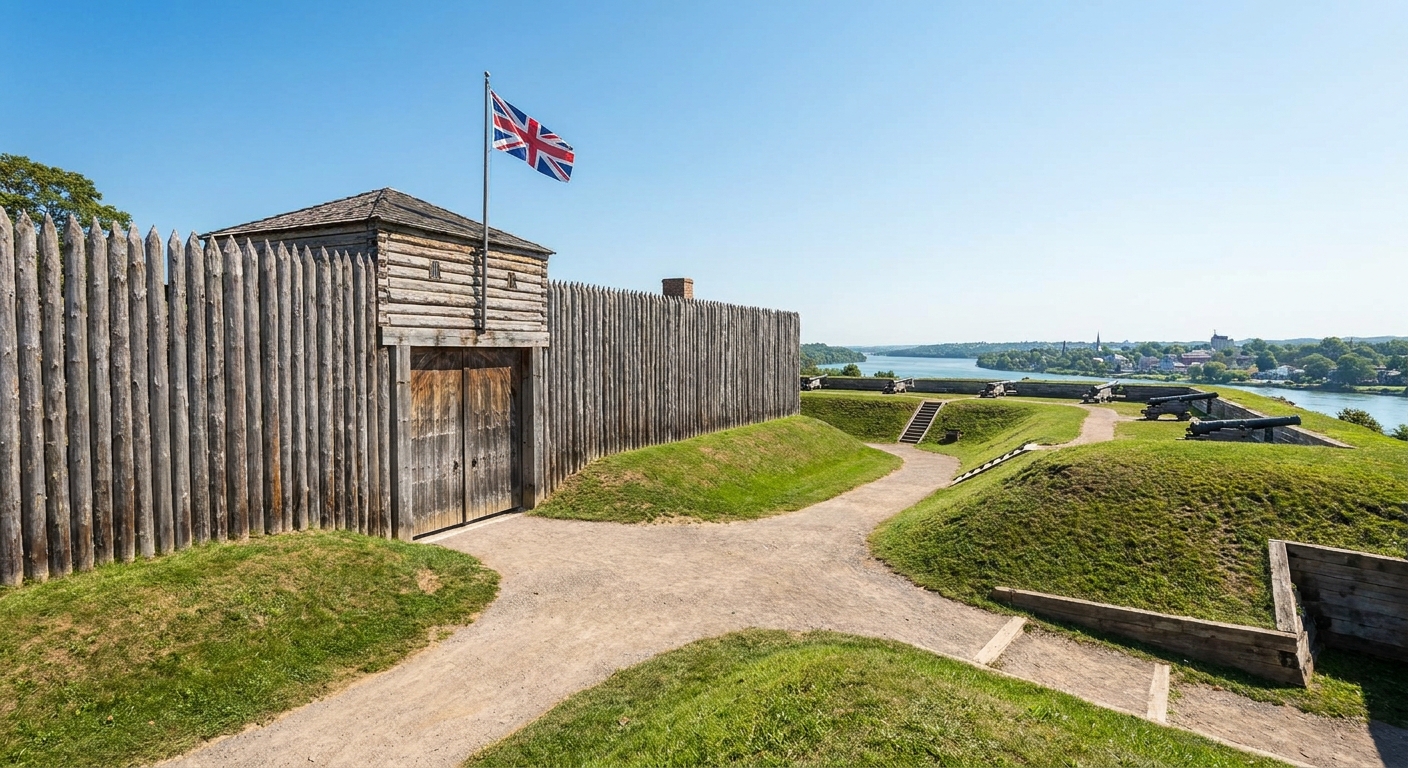

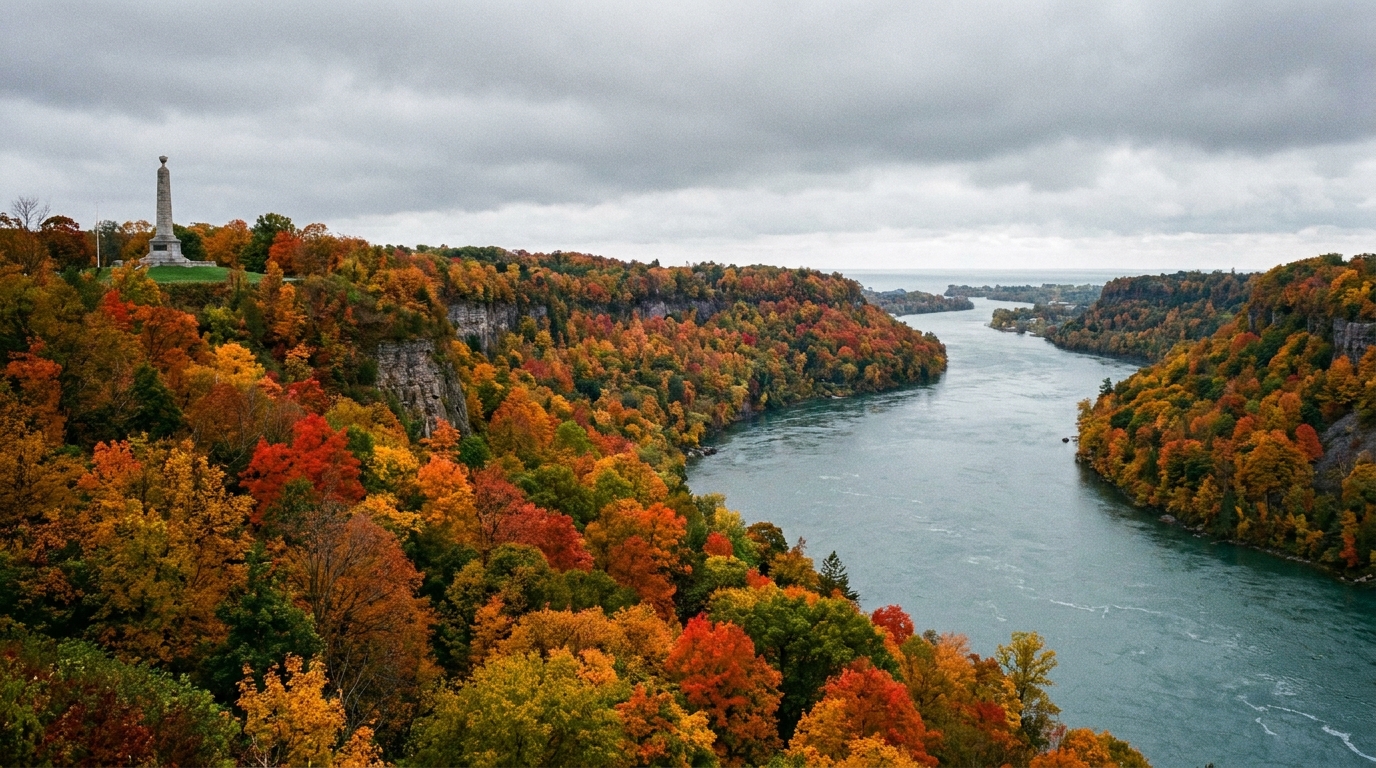
The Niagara frontier never felt like a clean line on a map. It felt like wet wool and river mist, like boots slipping on shale, like lanterns bobbing in orchard rows while you tried to tell friend from foe. I grew up in upstate New York close enough to that border that it always seemed less like a boundary and more like a tense handshake. When you stand on the escarpment near Queenston and look out over the river, you can still feel how narrow the whole war sometimes was.
So which battle actually secured Canada’s border: Queenston Heights (October 1812) or Lundy’s Lane (July 1814)? One quick clarification before we argue it out: in 1812, “Canada” was not yet a country. What we are really talking about is the survival of Upper Canada and the Niagara boundary of British North America, the line that later becomes part of the modern Canada United States border.
If you mean the moment the invasion dream cracked and never fully recovered, it is Queenston Heights. If you mean the late-war collision that proved the Niagara line could not be forced even after two years of learning and bloodletting, it is Lundy’s Lane.
And if you want the simplest honest answer, it is this: Queenston stopped the early war from becoming a fast collapse of Upper Canada, and Lundy’s Lane helped deny a decisive American breakthrough late in the war. Together, they did the job neither one could do alone.
The border question
When people say “secured Canada’s border,” they usually mean one of three things:
- Military security: Did the battle prevent an invasion route from being used successfully?
- Political survival: Did it keep Upper Canada from collapsing due to lost territory, lost morale, or wavering loyalty?
- Long-term geography: Did it shape where the border ended up after the treaty ink dried?
The last one is the trick. The Treaty of Ghent largely restored the prewar boundary, a return to the status quo ante bellum, even though commissions and later arbitrations still had boundary questions to sort out. So “securing the border” here is really about denying a lasting foothold in the Niagara corridor and keeping Upper Canada governable long enough to reach peace.
If you want broader context before we narrow down to these two battles, the site guides can help: Battles and Timeline.
Queenston Heights (1812)
What the Americans needed
In October 1812, the United States was still trying to turn the war into something quick and clean: cross the Niagara, seize key points, and convince Upper Canada it was safer to give in than resist. Queenston mattered because it offered a way up from the river to the heights, and from there into the interior.
The plan depended on more than tactics. It depended on coordination, momentum, and militia willingness to cross into danger.
What the defense did right
Queenston Heights is often summarized as a single dramatic turn, and it really did pivot on human moments: quick decisions, confusion on the river, and the terrifying physics of moving men uphill under fire.
- Rapid response and local knowledge: British regulars, local militia, and Indigenous allies understood the ground and moved to contest the heights rather than simply defend the shoreline.
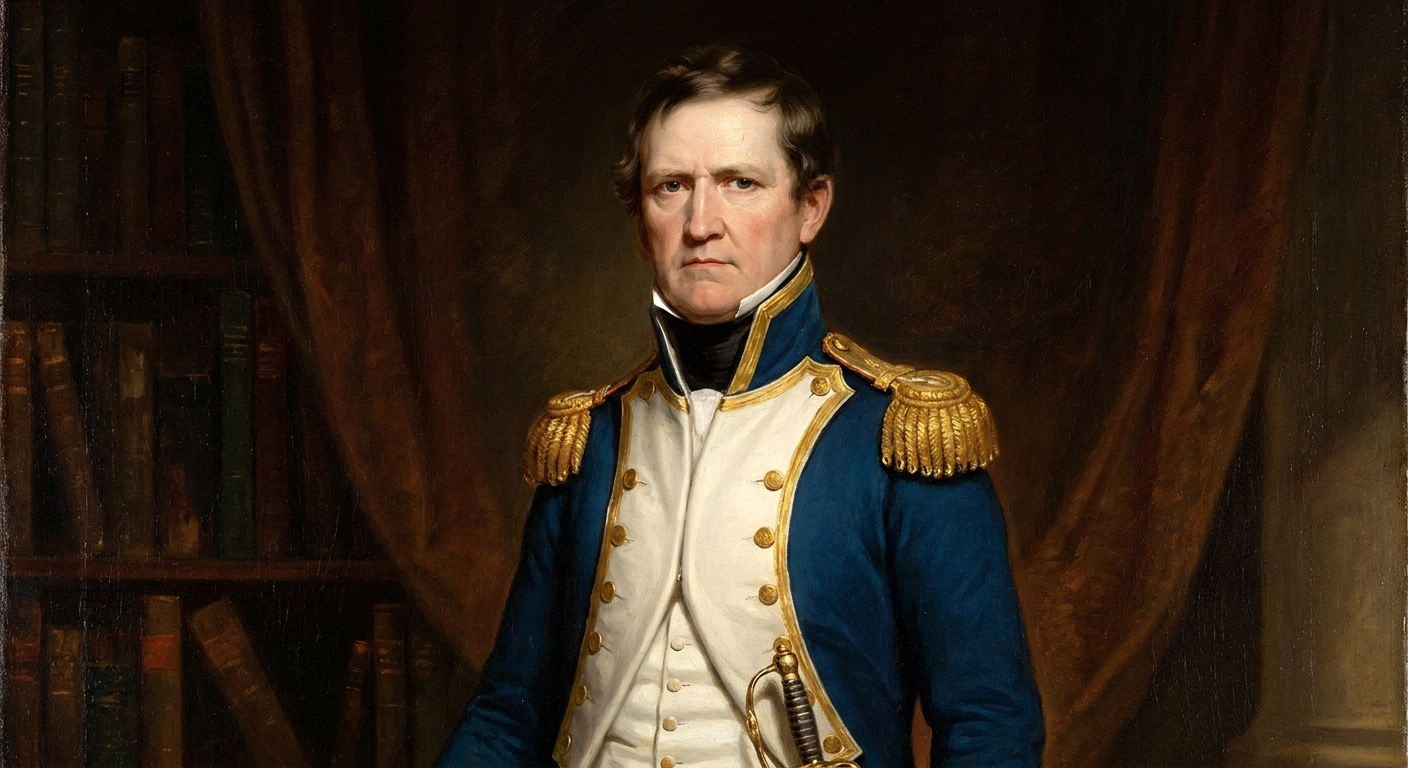
- Leadership under shock: Major General Isaac Brock was killed early in the fighting. The defense did not collapse. Later, Roger Hale Sheaffe organized the counterstroke that helped roll up the American position.
- A fight for high ground: The battle became about the escarpment and the plateau above it, not only the crossing itself.
The hinge: militia and the river
There is a cold, practical truth about Queenston: an army that cannot reliably get across a river cannot hold what lies beyond it. The American effort was badly weakened by command confusion at the crossing and, crucially, by the refusal of elements of the New York militia to cross into Canada. However brave the men who made it onto the heights, the larger plan strained and then began to come apart.
What Queenston changed
Queenston Heights did not end the Niagara war, but it ended the idea that Upper Canada would fall quickly. It bought time. And time, on that frontier, was everything: time for defenses to stiffen, for leadership to sharpen, for alliances to matter, and for the war to turn from a sprint into a grind.
Lundy’s Lane (1814)
Why 1814 felt different
By July 1814, the Niagara frontier had been fought over, burned, and re-learned. Units on both sides had hardened. Commanders had experience. And when Lundy’s Lane comes, it comes with the late-war feel of discipline pushed up against chaos: tight ground, big guns, and a long night where nobody can see much beyond muzzle flash.
Why it was so hard to break
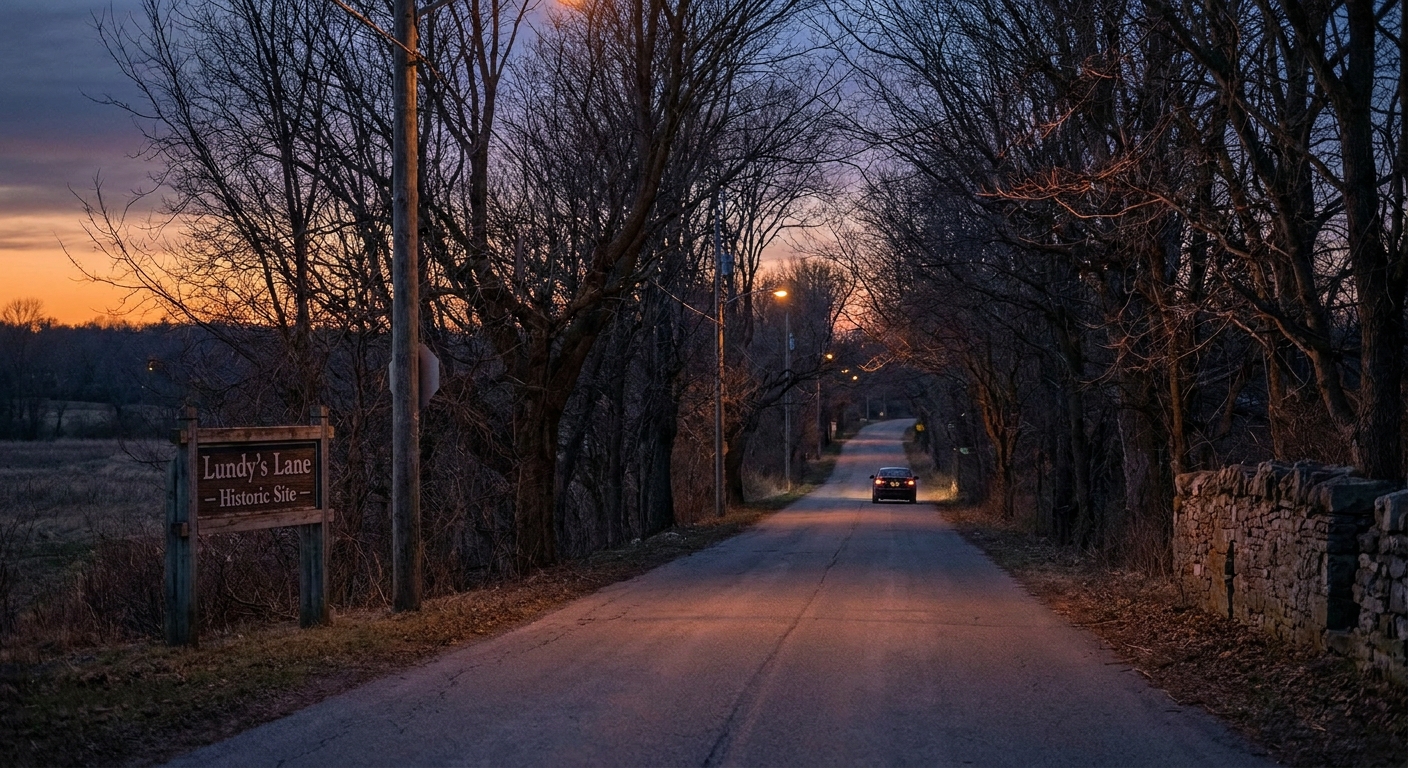
Lundy’s Lane is remembered for close-range fighting, repeated assaults, and the kind of night battle confusion that turns discipline into a lifeline. Tactically, the struggle centered on a position that mattered for the whole Niagara corridor: artillery and elevation near the lane, within striking distance of Niagara Falls and the key routes around it.
- Guns on commanding ground: Heavy artillery made attacks brutally expensive and made hesitation deadly.
- Night fighting: Darkness tightened the battlefield, amplifying miscommunication and making every advance feel like walking into a wall.
- High casualties, low certainty: The fighting was severe enough that “who won” depends on what you count as winning.
What happened right after
Lundy’s Lane is often judged tactically inconclusive. The British held the field afterward, but neither side could cleanly exploit the result. The Americans withdrew, and the campaign’s weight shifted toward Fort Erie and the grinding logic of holding or abandoning positions rather than dashing deeper into Upper Canada.
What Lundy’s Lane changed
If Queenston crushed the early-war hope of a quick conquest, Lundy’s Lane crushed the late-war hope of a decisive breakthrough on the Niagara. It showed that even with improved American performance in 1814, the frontier could still absorb a major blow without opening into a clear road forward.
That matters for border security because late-war success on the Niagara could have created negotiating leverage. Lundy’s Lane may have helped deny that leverage by preventing a result that looked like a clean, exploitable American victory.
What each battle did
| Question | Queenston Heights (1812) | Lundy’s Lane (1814) |
|---|---|---|
| Denied a crossing? | Yes. The invasion attempt fractured, especially once reinforcement across the river faltered. | Yes. It checked the 1814 push and kept the Niagara advance from turning into a clear opening. |
| Helped Upper Canada endure? | Strongly. It helped prevent an early political and military cascade. | Strongly. It reinforced that even late in the war, Upper Canada could absorb major fighting. |
| Moved the border? | No. Peace largely restored the prewar boundary. | No. Its influence was indirect, mostly in what it kept from happening. |
| Lasting lesson | The Niagara is not an easy door to kick in, especially when militia politics collide with geography. | Even veteran armies can bleed each other white without producing a decision you can use. |
So which secured it?
If you mean 1812 survival
Upper Canada in 1812 lived with a knife at its throat. A fast American success on the Niagara could have encouraged collapse by momentum alone: wavering loyalties, disrupted supply, shaken authority. Queenston Heights helped prevent that kind of cascading failure. It is hard to overstate the value of an early stop that proves the place will not fall on schedule.
If you mean denying a late-war breakthrough
By 1814, the U.S. campaign on the Niagara had sharper teeth. Lundy’s Lane mattered because it suggested that even then, even with experience and determination, the frontier could still resist being forced open. In diplomatic terms, it helped keep the Niagara from becoming a bargaining chip with real weight, or at least made that outcome harder to claim.
If you mean the whole story
Queenston Heights secured the Niagara line in the way a locked door secures a house at the start of a long night. Lundy’s Lane secured it in the way a house secures itself after hours of battering: damaged, exhausted, still standing.
The human factor
When I visit Niagara campaign sites, I try to picture the ordinary burdens that do not make it into neat summaries: wet powder, blistered feet, a meal missed, a rumor that spreads faster than orders. These battles are famous, but what held the boundary in practice was often smaller than a general’s plan.
- Militia limits and morale: Queenston exposed the political reality that not every soldier would go where strategy demanded.
- Logistics and exhaustion: Lundy’s Lane showed what happens when armies hit the ceiling of human endurance in a single night.
- Civilian stakes: The Niagara region was homes, farms, mills, and roads. The border was not abstract to the people living in its shadow.
If you want to explore the war through those lived experiences rather than just battle names, the site’s broader guides are a good jumping-off point: People and Historic Sites.
Reading the ground today
You do not need a uniformed guide to start understanding why these places mattered. You need patience and a willingness to let terrain explain the war.
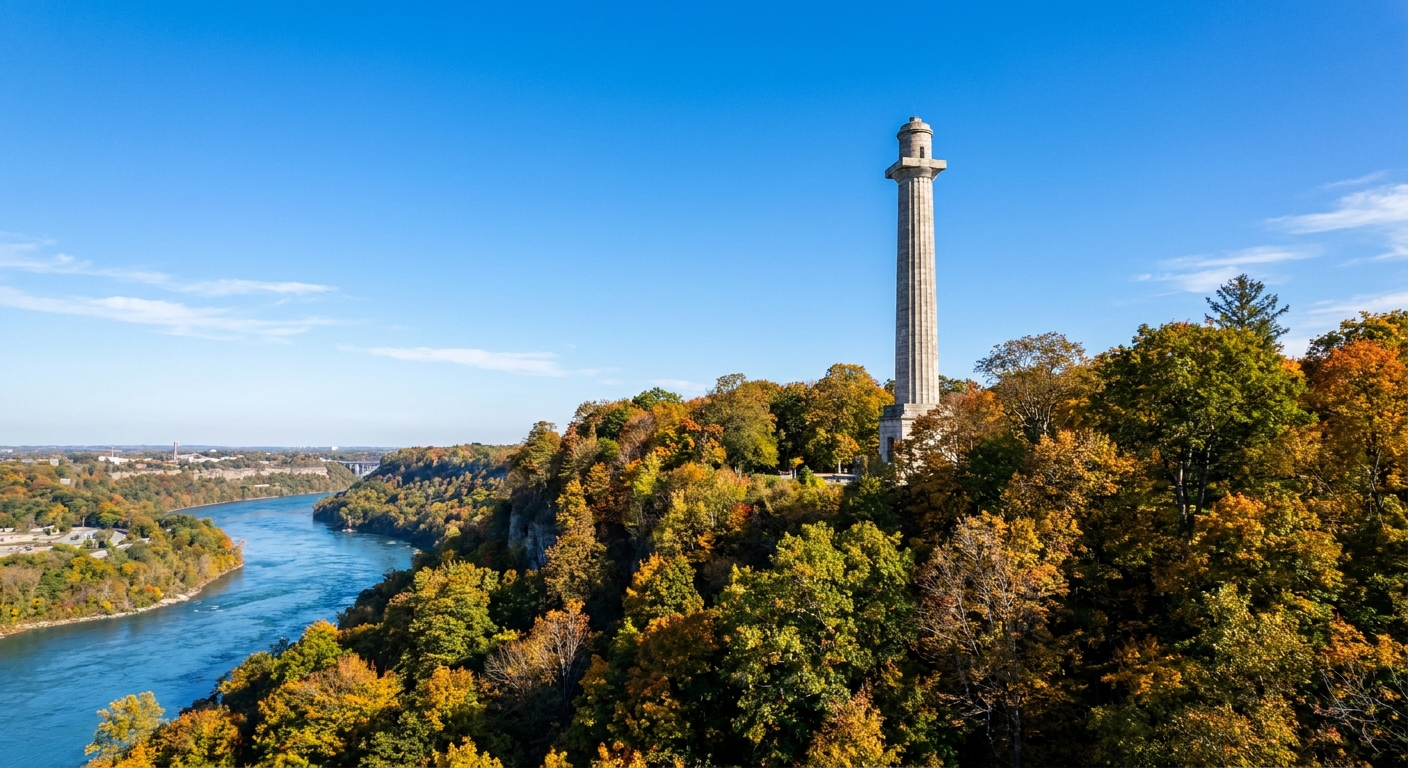
At Queenston Heights
- Pay attention to the escarpment. Ask yourself what it takes to move men and supplies up or down it under pressure.
- Look for sightlines toward the river. The crossing problem is easier to understand when you see how exposed it can be.
At Lundy’s Lane
- Notice how the ground can feel tight and enclosed even near open landmarks like the Falls. Night fighting thrives in spaces like that.
- Think in terms of gun positions. Where would artillery dominate approaches? Where would attackers have nowhere to hide?
A brief verdict
Queenston Heights did the early, essential work of keeping Upper Canada from being knocked out quickly. Lundy’s Lane did the late, essential work of denying a decisive Niagara breakthrough when the American army was at its most capable in that theater.
If you force me to pick the single battle that most “secured” what we now call Canada’s border, I pick Queenston Heights, because without that early defensive success there is a real chance there is no stable Upper Canada left to defend in 1814. But the boundary that endures into the peace owes a grim debt to both battles, and to the stubborn fact that neither side could quite force the Niagara frontier to become something else.