
I have a habit of slowing down near the oldest corners of Ontario churchyards, the ones where the stones lean like tired shoulders and the carvings have been sanded soft by generations of weather. You do not always find the famous names there. More often you find initials, half-legible dates, and the quiet evidence of people who did the hard work and then slipped out of the story.
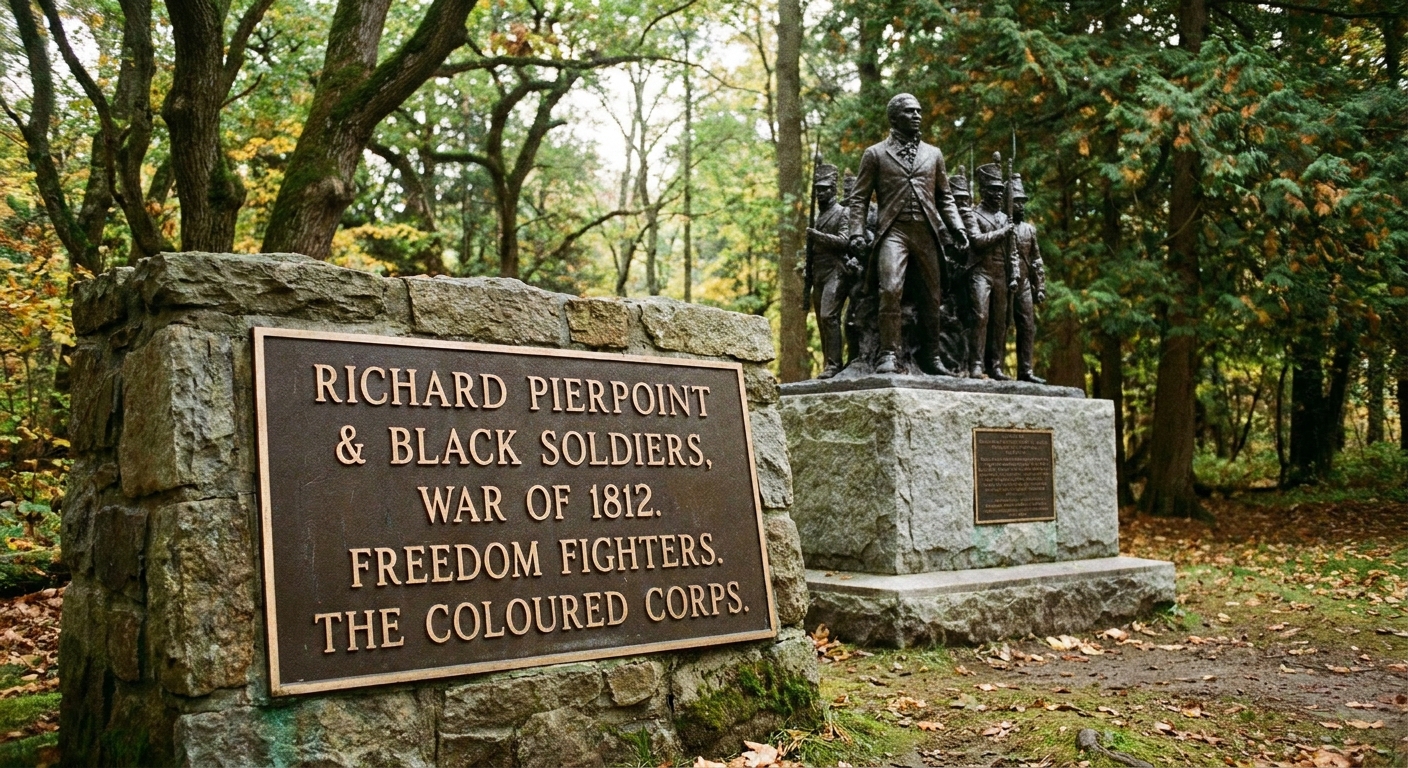
Richard Pierpoint is one of those men whose life refuses to sit neatly inside a single plaque. He was a formerly enslaved man who became a veteran on the British side during the American Revolutionary era and, later, a settler in Upper Canada. He also understood something many politicians did not: if you want a place to stand in a new country, sometimes you have to fight for it first, and then keep fighting to be remembered.
Who was Richard Pierpoint?
Pierpoint’s life begins far from the Niagara frontier we usually associate with the War of 1812. He is widely believed to have been born in West Africa, and later enslaved and carried across the Atlantic. Beyond that, the surviving paper trail is thin. Many accounts agree on the broad outline, but the exact timing, places, and circumstances are not pinned down as cleanly as modern readers might hope.
During the American Revolutionary era, he sided with the British. For Black men in that period, “choosing a side” was rarely abstract. It was survival, family, legal status, and the hope that a uniform might offer protection that ordinary life did not. Pierpoint is often described as a Loyalist veteran, and some retellings place him in Butler’s Rangers, but the safest way to say it is this: later records and tradition point to wartime service on the British side, followed by resettlement north with other Loyalists into what would become Upper Canada.
By the time war broke out again in 1812, Pierpoint was an older man by the standards of the day. He was also something else: experienced, known to local officials, and determined to turn wartime necessity into recognition for his community.
If you want the broader roster of figures who shaped this conflict, I keep a running guide here: Guide to War of 1812 People.
The petition
The War of 1812 put Upper Canada in a bind. The colony needed manpower. It needed labor. It needed local knowledge. It needed loyalty that could hold when the border went hot.
In that context, Pierpoint pushed for something bold. In the opening months of the war, he submitted a petition to the colonial authorities asking permission to raise an all-Black unit. Many modern summaries date it to July 1812, and it is frequently described as being directed through the government and military chain of command in York. The core point, at least, is clear even when the paperwork gets summarized differently: a Black veteran was pressing officials to recognize Black men as soldiers, not merely as bodies to be used.
It is also worth being precise about the cause-and-effect. Pierpoint’s petition was not a magic lever that instantly produced a unit or erased prejudice. But it stands as one of the clearest surviving prompts toward what followed, especially in a moment when officials were looking hard at every possible source of defense.
The Coloured Corps
What emerged is commonly remembered as the Coloured Corps, often linked in the record to Captain Robert Runchey. The naming and organization shifted in wartime paperwork, and later shorthand can make the chain of decisions look cleaner than it was. Still, the fact worth holding onto is straightforward: Black men served as an organized body under British command in Upper Canada during the War of 1812.
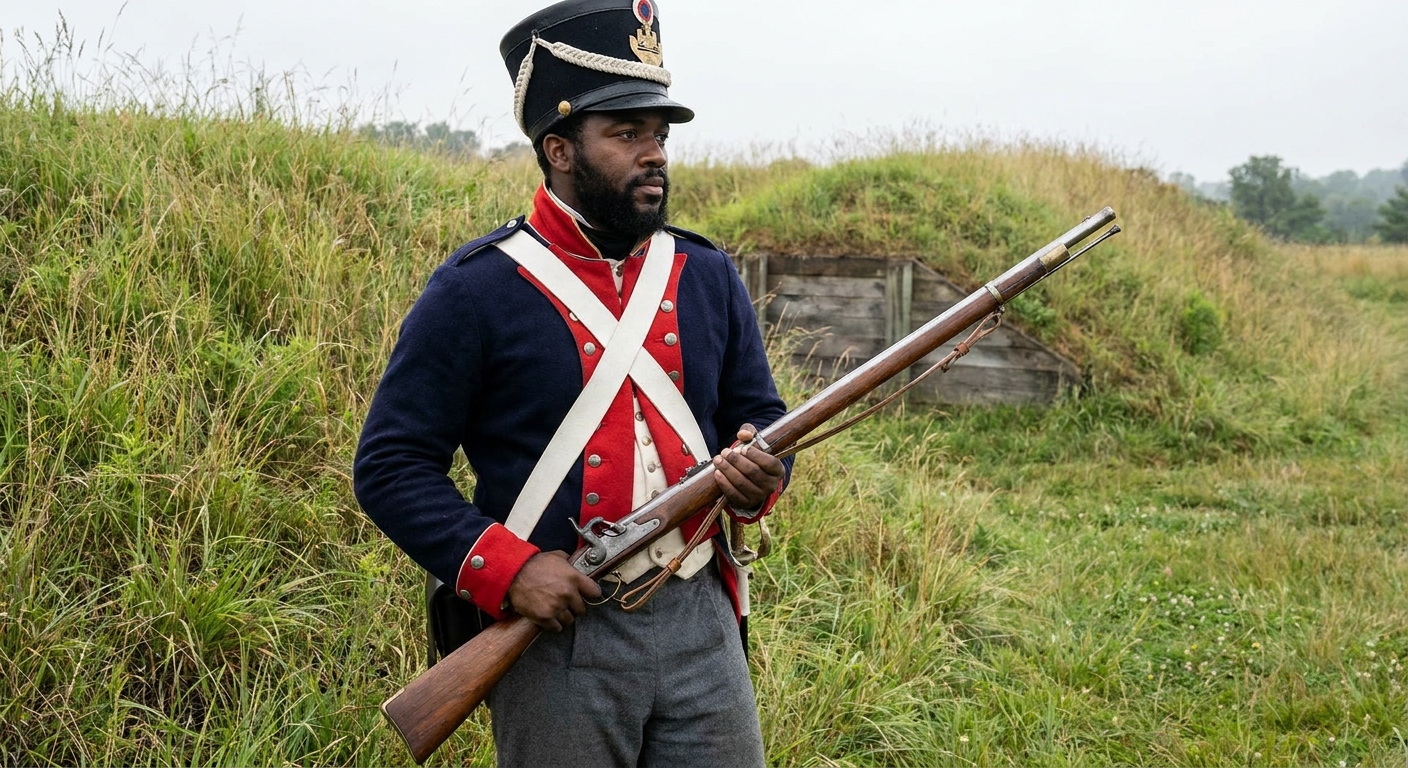
Here is the fact spine, without polishing the edges. A company-sized unit of Black soldiers was authorized early in the war and attached to the defense of the Niagara frontier, where manpower was short and the work was relentless. They were issued arms and placed under officers, but they were also leaned on heavily for the kind of labor the army could not function without. Being “soldiers” did not guarantee being treated like equals, in pay, in assignments, or in how easily their service made it onto later monuments.
What they were asked to do
- Fortification work: building and improving defenses in a region where a single weak point could invite an American landing or raid.
- Military labor under threat: hauling, digging, and constructing within reach of enemy patrols and artillery.
- Field service: turning out as armed men when the frontier turned violent, alongside other local forces.
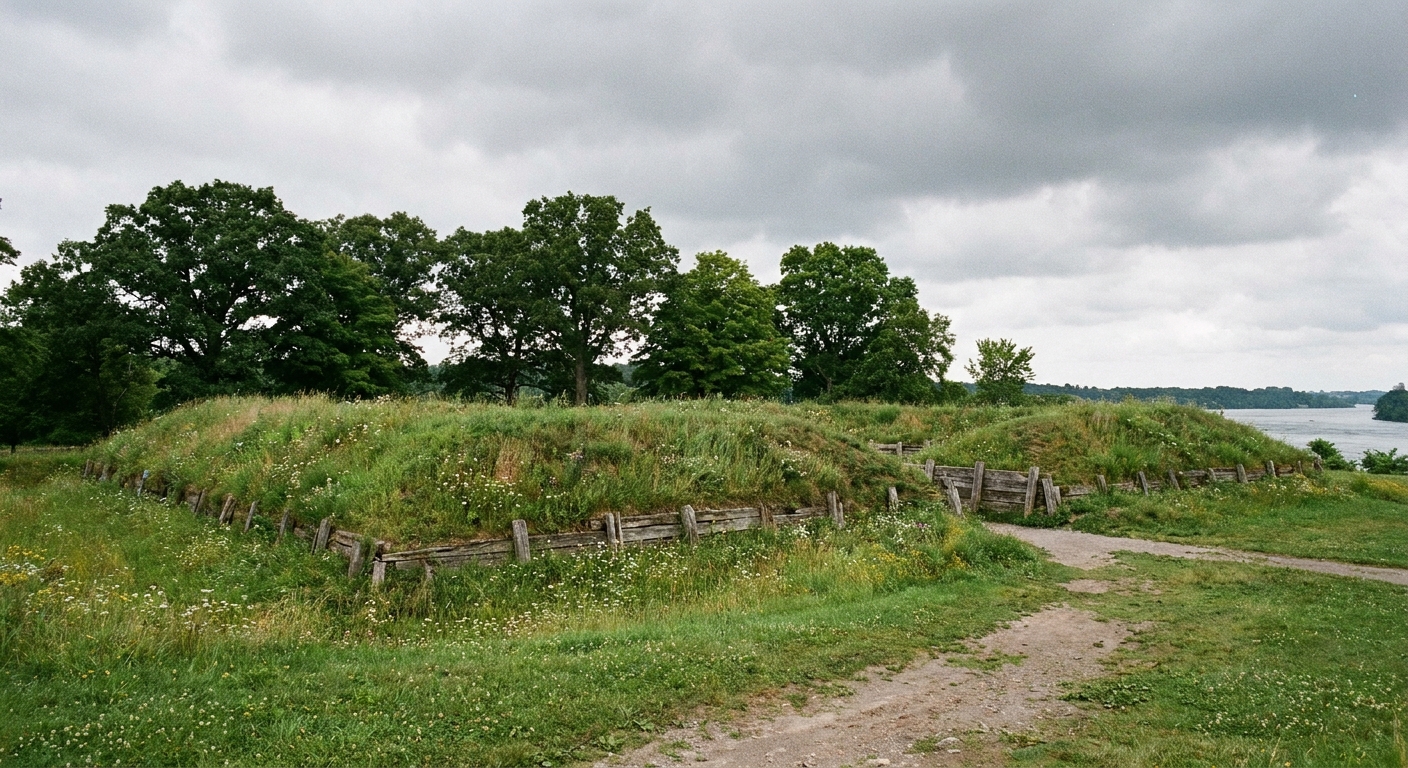
That mix of duties can sound unglamorous until you walk the ground and picture it. Digging earthworks is not “background.” It is the difference between a position that holds and one that collapses. It is blisters and broken tools and wet wool and long nights, all while wondering whether you will be treated as a soldier when the smoke clears.
A note on Queenston Heights, because it is where summary-history tends to overreach. You will sometimes see the Coloured Corps tied directly to the Battle of Queenston Heights (October 1812). The broader Niagara emergency is not in doubt, but the documentation for a clearly formed, separately identified corps fighting as a unit at Queenston is thinner than many retellings suggest. The more solid picture is that Black soldiers were being used very early in the Niagara defenses, including hazardous labor and military duties in the area, and that the unit’s best-attested service clusters in the Niagara campaigns that followed.
Why their service mattered
When people ask what the Coloured Corps “accomplished,” they often mean, “Did they win a famous battle?” That is not the only measure of impact. The deeper legacy is that their service made a claim on Upper Canada itself.
1) Loyalty was not owned by one race
Upper Canada depended on militia service and local cooperation. Black residents, many of them refugees from slavery or descendants of people who had escaped it, still showed up to defend communities that did not always defend them in return. That fact sits uncomfortably in the record, and it should. It complicates the easy version of the story.
2) Officials had to acknowledge Black military status
A petition is political action. An organized unit on the rolls is undeniable reality. Even when the Coloured Corps was assigned the hardest kinds of work, their presence forced officials to deal with practical questions that reveal a lot: who gets issued arms, who draws rations, who is recognized as a soldier rather than hired labor, and what happens afterward when veterans ask, reasonably, to be treated as veterans.
3) Later generations had proof to point to
The War of 1812 became a cornerstone story in Ontario and Canadian memory. Once Black soldiers are part of that foundation, the story of who “built” the country gets bigger and more honest. That matters for commemoration, education, and the long, uneven path toward equal treatment.
For the wider arc of the war, and how the conflict fits together across years and theaters, see: Guide to the War of 1812 Timeline.
Pierpoint after the war
Pierpoint lived long enough to see the war end and the urgency fade. That is often when veterans suffer most, when their usefulness has passed and the promises made in uniform are quietly filed away.
In 1821, he petitioned again, seeking assistance and expressing a desire to return to Africa. The documents do not read like tidy myth. They read like a man trying, once more, to translate service into security. Many accounts summarize the outcome as an offer of land rather than the passage he wanted. Whether you read that as practicality, indifference, or a familiar bureaucratic shrug, the emotional truth is hard to miss. Even after years of loyal service, belonging was not automatic.
He died in Upper Canada, and most accounts place his death around 1837 to 1838. Even so, like many lives lived on the margins of official record, the details modern readers want most, including an exact burial location, remain frustratingly hard to pin down.
Key facts
- Born: believed to be in West Africa (exact place and date uncertain)
- Early 1812: petitioned colonial authorities to raise an all-Black unit in Upper Canada (often dated to July 1812 in summaries)
- War service: served with the Black unit known as the Coloured Corps, associated with Captain Robert Runchey, in the Niagara defense and campaigns
- 1821: petitioned for assistance, often summarized as a request to return to Africa
- c. 1837–1838: died in Upper Canada (exact details uncertain)
Where to feel it on foot
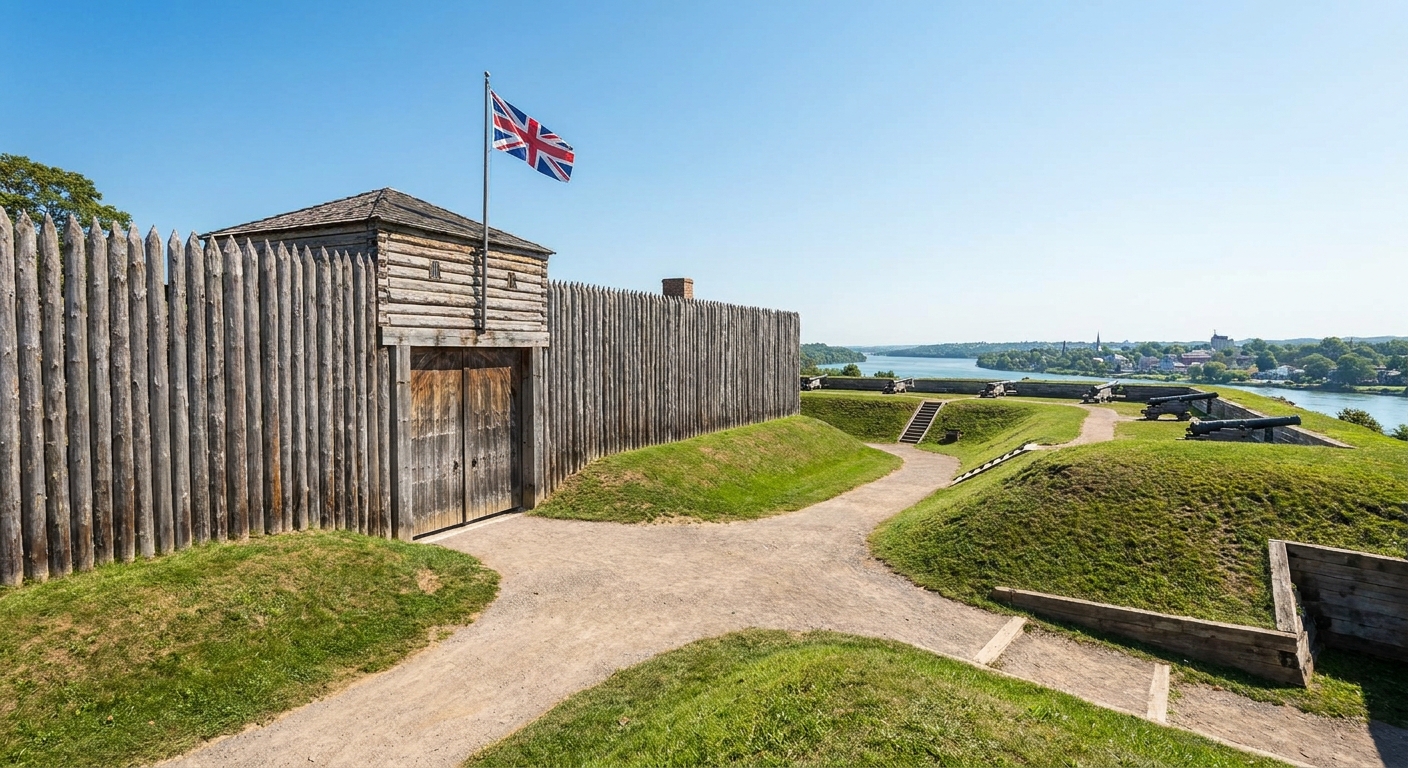
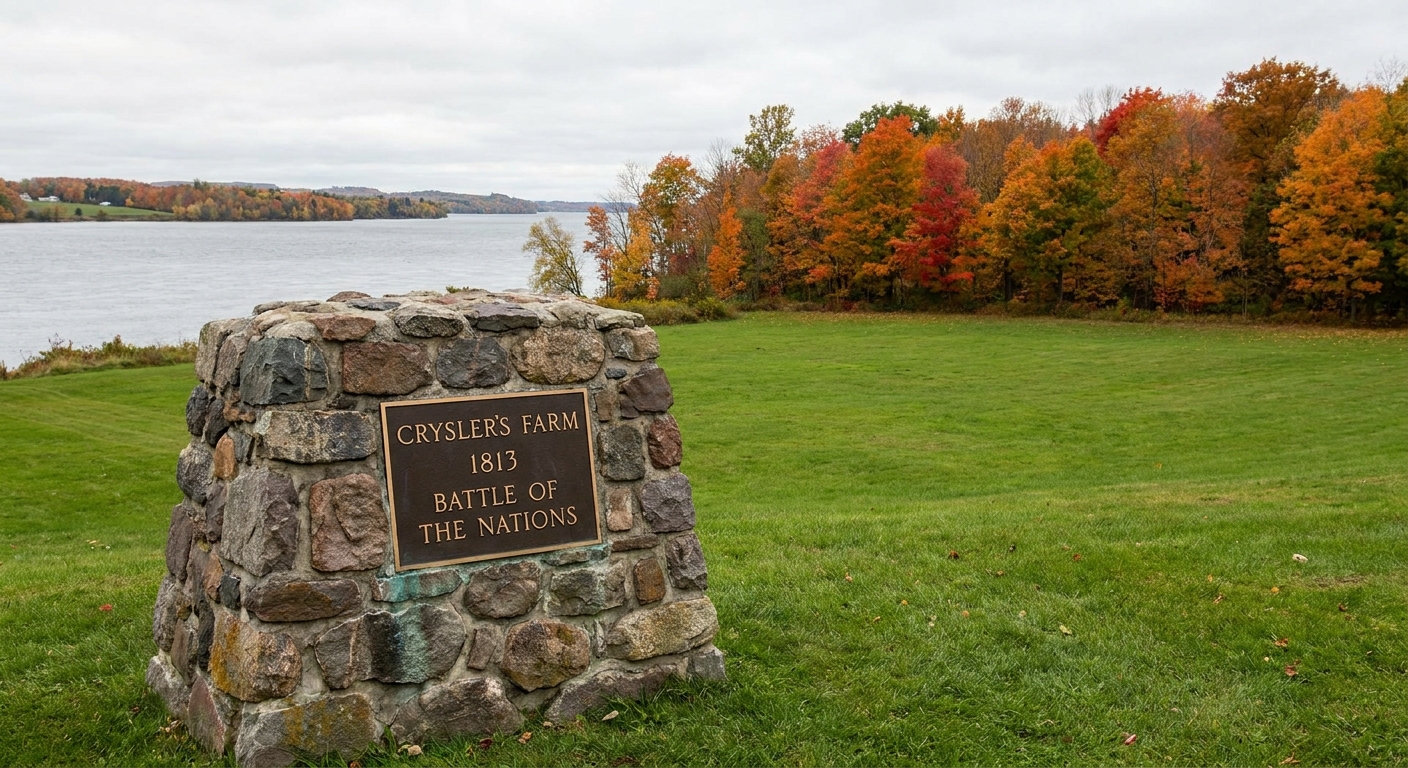
If you want to understand the Coloured Corps and Pierpoint’s world, read the documents, yes. But also go stand where the war pressed down hardest on ordinary people: the Niagara region and the borderlands where militia and regulars lived side by side with farmers, refugees, and families trying to get through a season without losing everything.
- Guide to War of 1812 Historic Sites for planning visits in both Canada and the US
- Guide to War of 1812 Battles to connect places on the map to what actually happened there
- Tips for attending War of 1812 battle reenactments if you learn best by seeing uniforms, drills, and the physical scale of the period
If you go, pay attention to the practical details most summaries skip: the distance between positions, the muddy low ground, the way wind and water shape movement. The Coloured Corps did not serve in a storybook. They served in real weather, on real roads, in a society that did not treat them as equals.
What we owe them
It is tempting to tidy Pierpoint into a single “first,” a single heroic beat. But his legacy is more human than that. He is a reminder that Black history in early Canada is not a sidebar, and Black military service was not accidental.
Pierpoint asked to serve on terms that recognized Black men as soldiers. The Coloured Corps proved, in the blunt language armies understand, that they could be relied upon. And in doing so, they helped shape a past that is often narrated as though it were only built by a narrow slice of people.
When you read the War of 1812 as a chain of battles, you can miss the quieter revolution happening inside it: men like Pierpoint insisting on being seen, counted, and remembered.
Frequently Asked Questions
Did Pierpoint found the Coloured Corps?
He is widely credited with petitioning early in the war for an all-Black unit, often dated to July 1812 in modern summaries. The corps is frequently associated with Captain Robert Runchey in later accounts, and the unit’s paperwork shifts across the war. It is safer to think in terms of Pierpoint as a key catalyst rather than a single clean founding moment.
Did the Coloured Corps fight at Queenston Heights?
The Niagara emergency in October 1812 is part of the unit’s early context, and you will sometimes see the corps tied directly to Queenston Heights. The stronger, more cautious reading is that Black soldiers were being mobilized and used early in Niagara defense, including dangerous labor and military duties, but the record is less clear about the corps fighting at Queenston Heights as a distinctly identified unit. Their better-attested service comes through the Niagara defenses and campaigns as the war continued.
What happened to Pierpoint after the war?
In 1821, he petitioned again, seeking assistance and expressing a desire to return to Africa. Many accounts summarize the response as an offer of land rather than the passage he requested. Most accounts place his death around 1837 to 1838, even as some personal details, including an exact burial site, remain uncertain.