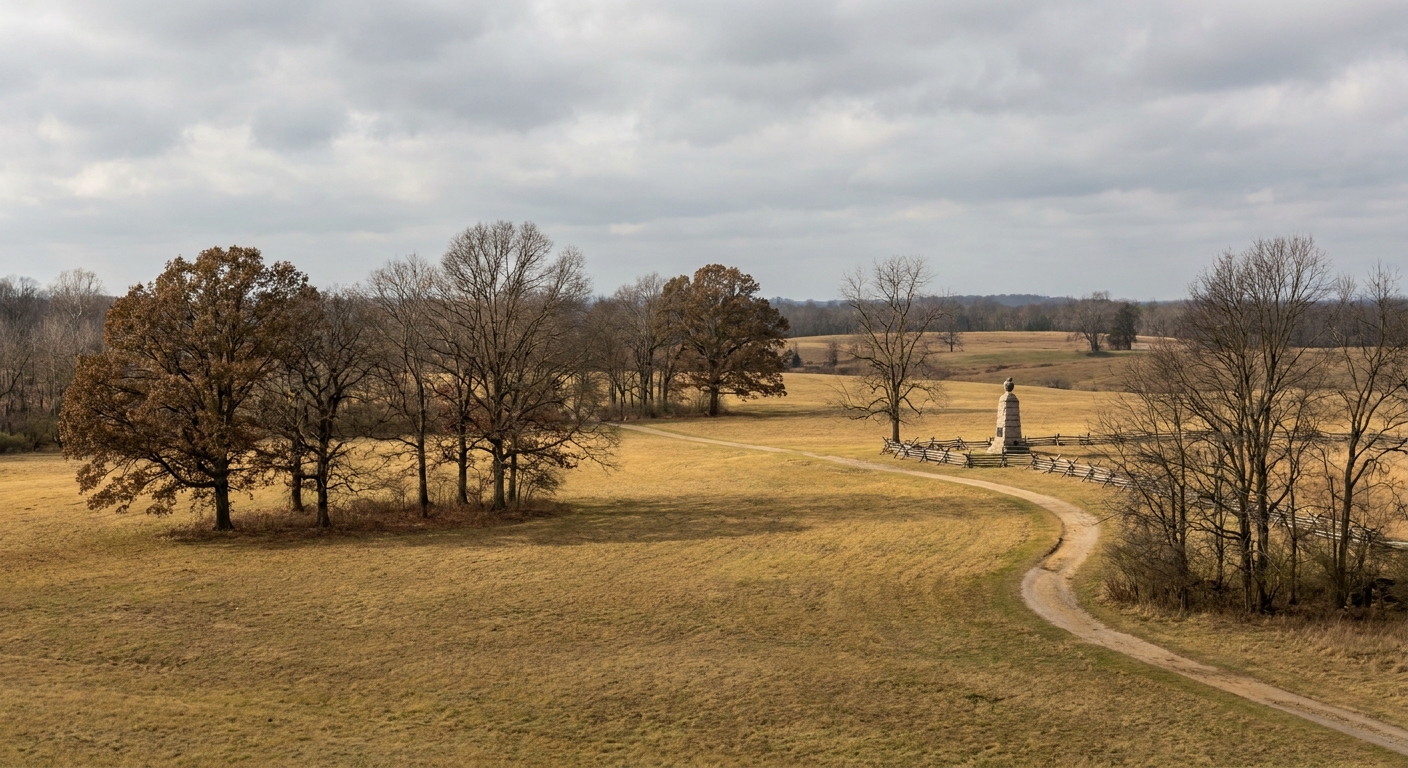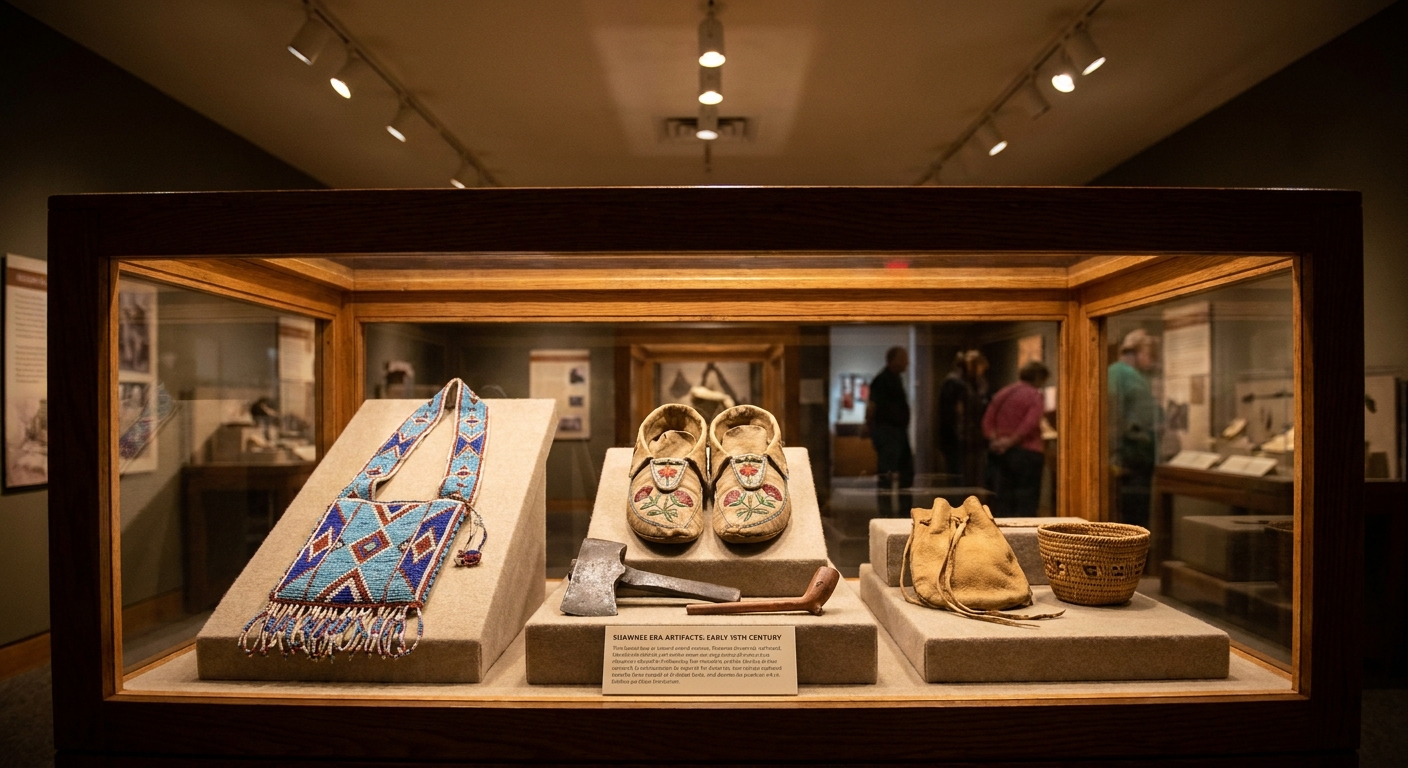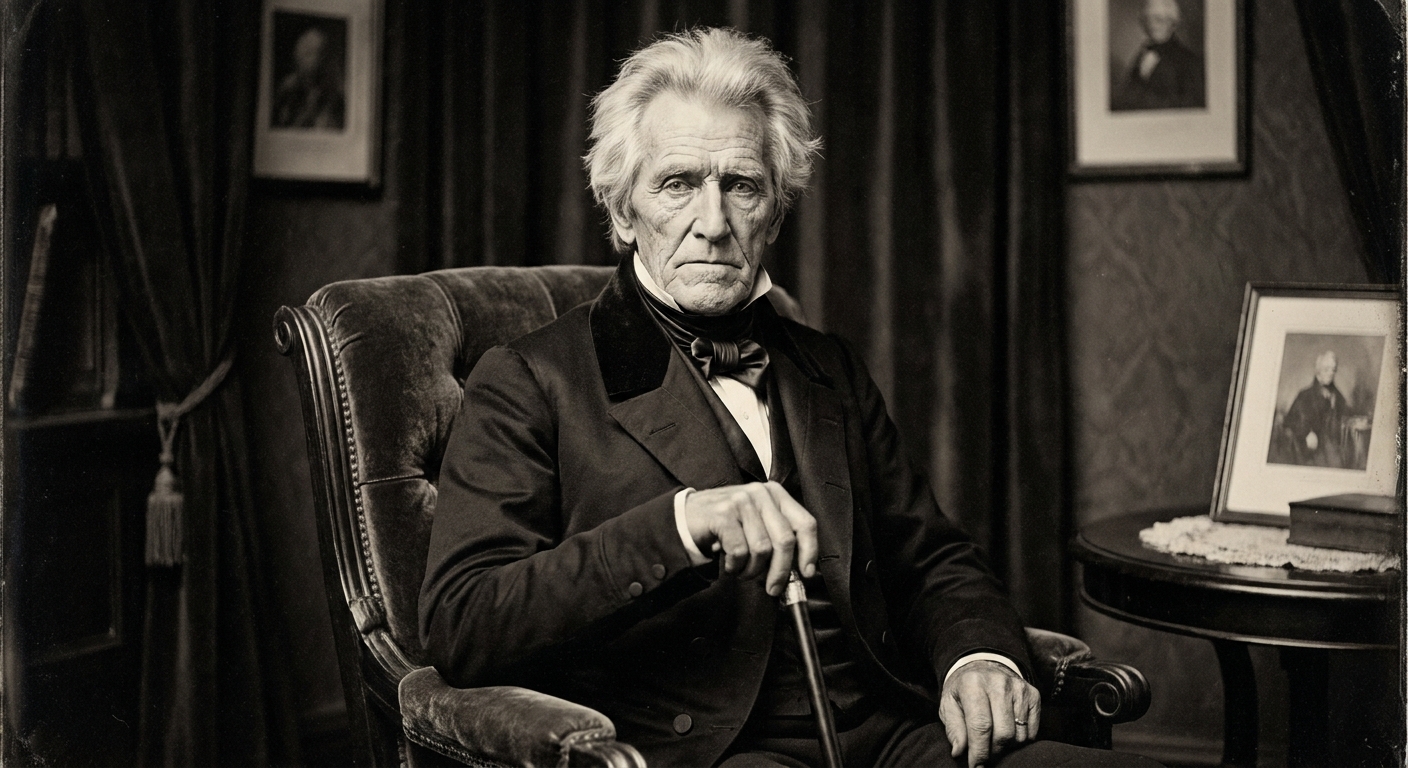

The first time I walked the ground along the Wabash near modern Lafayette, Indiana, it struck me how easy it is to misread this story if you only know it as “the Battle of Tippecanoe.” You can stand on a neat battlefield today and still miss the larger thing that was happening here: a community being built, a coalition being tested, and a frontier world tightening like a rope before it snaps.
Prophetstown and Tippecanoe are not just prelude. They are among the clearest opening notes of the western War of 1812 story, where alliances, fear, supply lines, and rumors mattered as much as musketry. If you want to understand why the Old Northwest ignited so fast in 1812, you start here, where rivers meet, where cornfields once ringed a town, and where a night camp turned into a fight people remembered for decades.
Why these sites matter
Tippecanoe was fought in November 1811, months before the United States formally declared war on Britain. Yet the consequences land squarely in the conflict that followed. In the western country, many Americans blended together two ideas: Native resistance and British influence. Those ideas became a single, dangerous story that spread faster than facts, especially after blood had already been spilled.
Prophetstown itself was tied to something bigger than a single village. Under Tenskwatawa, known as the Prophet, and his brother Tecumseh, it became a political and spiritual center, a place meant to pull scattered communities into a shared cause. The key point for visitors is this: the coalition was not born out of abstraction. It was rooted in geography, and in the basic ability to gather, feed, and house people in one place long enough for politics to take shape.
Tippecanoe, in turn, shows you what happens when a marching army moves into that landscape and tries to force an answer. The battle did not end Native resistance. It did not solve frontier conflict. It hardened positions, raised the temperature, and helped set the stage for the brutal seesaw that followed across the Great Lakes and Ohio Valley.
If you want the western theater in one sentence, it is this: competing nations and communities fighting over movement, settlement, and survival. Prophetstown and Tippecanoe put that sentence under your boots.
Start at Prophetstown State Park
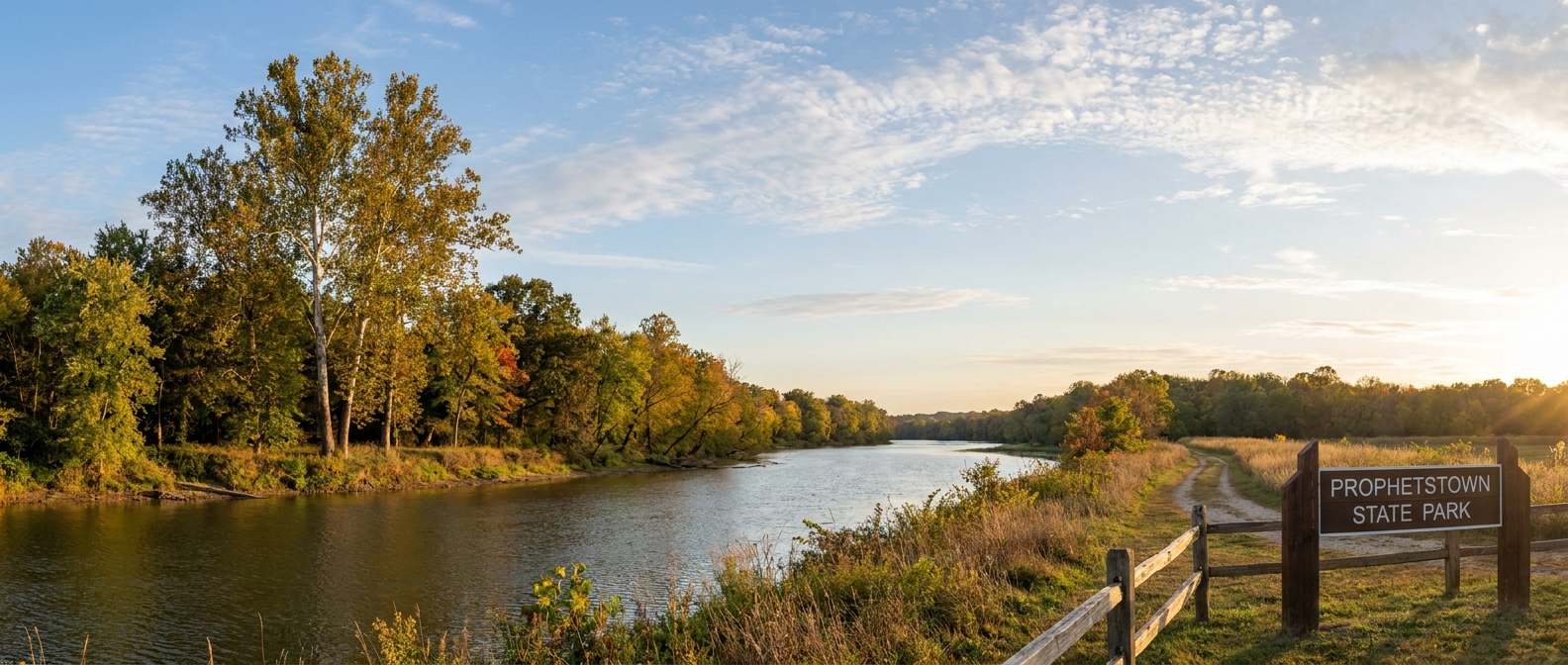
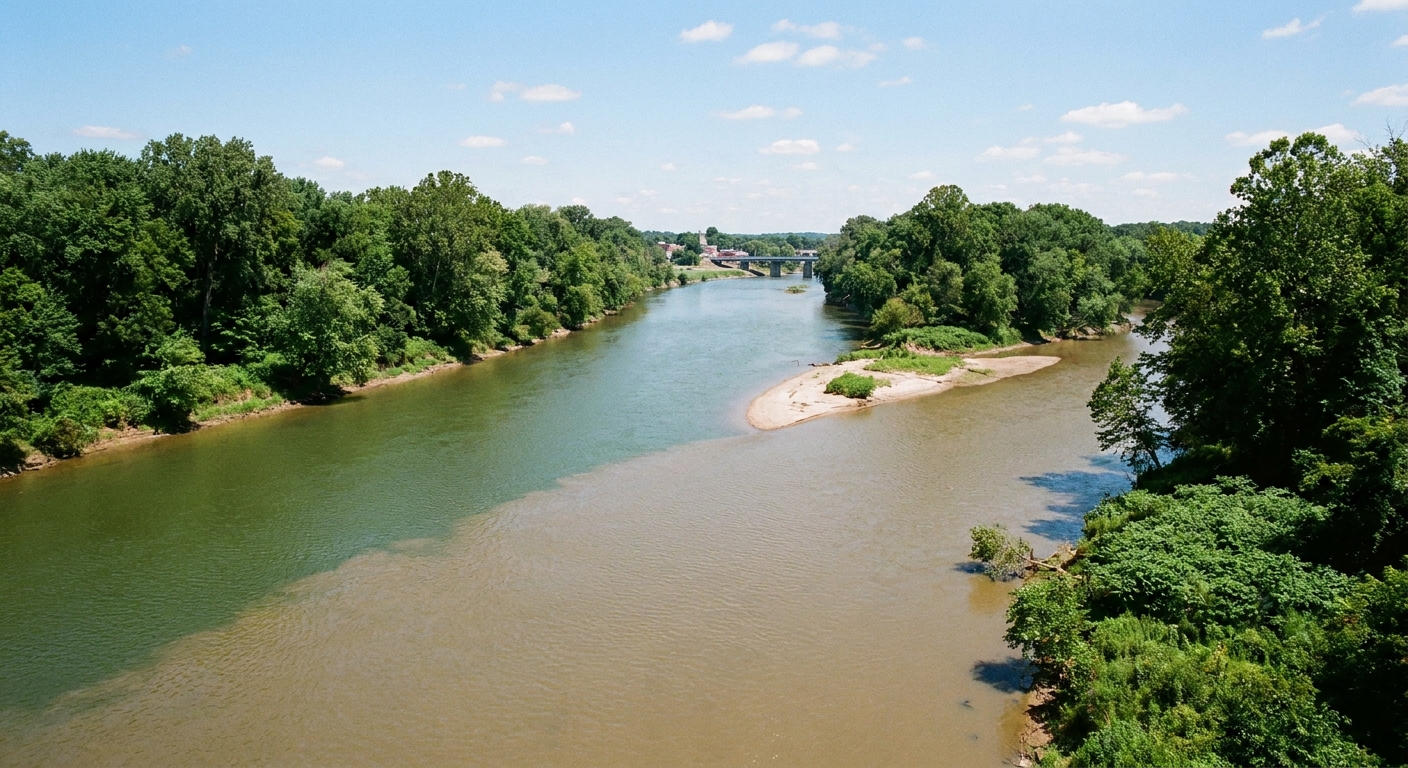
Prophetstown State Park sits near the meeting of the Wabash and Tippecanoe rivers, close enough that you can feel why this country drew people in. The historic Prophetstown stood in this river junction landscape, even if the exact lines of modern park boundaries and modern access points do not always map neatly onto an 1811 village footprint. That is not a problem for a visitor, as long as you arrive ready to read the terrain, not just hunt for a single “X.”
What to look for as you walk
- Confluences and corridors. Rivers were roads. A “town” here is not just a cluster of structures. It is a node in a wider network. Imagine messengers, visitors, traders, and families moving in and out by canoe and footpath.
- High ground versus low ground. Floodplain soil feeds crops, but higher ground keeps you dry and gives you a better view. Those tradeoffs shaped where people planted, camped, and watched for danger.
- Food and season. Picture the work behind a large settlement: storing corn, drying meat, managing visitors, and making sure winter does not break you. Logistics here is not paperwork. It is whether people eat.
One of the best visitor habits in this landscape is to stop asking, “Where exactly did it happen?” and start asking, “Why here?” The “why” carries into 1812, when forts, raids, and counter raids followed the same basic logic: access, food, and defensible ground.
Then visit Tippecanoe Battlefield
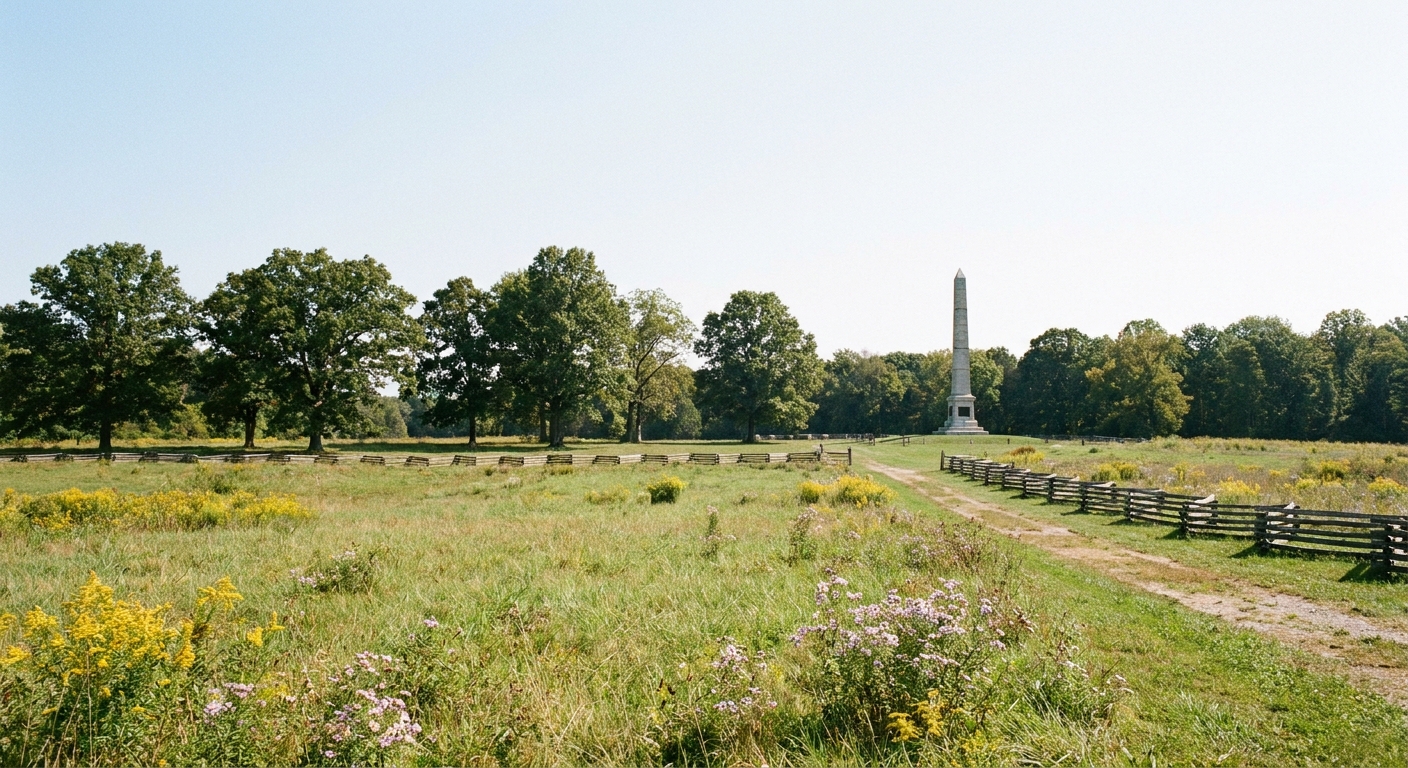
The Tippecanoe Battlefield site is where you can get your bearings on the clash itself, but I always encourage readers to think about it as a story of decisions and nerves more than lines on a map. In November 1811, Indiana Territory governor William Henry Harrison led a U.S. force into this contested country and camped within reach of Prophetstown. Before dawn, the camp was attacked, and a tense night tipped into a chaotic, close range fight.
How to walk it with the right questions
- Ask where a sentry would dread the treeline. Edges matter. The boundary between open and wooded ground is where surprise lives.
- Imagine the camp at 3 a.m. A camp is never fully asleep. There is coughing, stirring, the soft clink of gear. In that half awake state, a sudden alarm can turn confusion into violence in seconds.
- Think in terms of visibility. Even modest rises in terrain can change what you see and what you do not. Try to notice sightlines and how quickly the view closes in when you step toward brush.
Tippecanoe’s memory became a tool. It was recalled, retold, and used to justify later actions. For the War of 1812, that matters because narratives on the frontier often became policy. Tippecanoe fed a common settler suspicion that British agents were behind any organized Native resistance, and that suspicion helped harden militia attitudes and make compromise feel like weakness.
From 1811 to 1812: key connections
It is tempting to treat Tippecanoe as a closed chapter. Visit, read, move on. But if you are tracing the origins of the western theater, you should leave with three connections in mind.
1) Coalitions are built, not summoned
Prophetstown represents an attempt to build unity among diverse Native nations facing relentless land pressure. That unity mattered because the western theater was never only a U.S. versus Britain contest. It was also a struggle over Native autonomy and homelands, fought through shifting alliances and hard choices.
One detail worth keeping in your pocket while you walk is that Tecumseh was away from Prophetstown on recruiting and diplomacy when Tippecanoe was fought. That absence shaped the battle’s immediate dynamics and the arguments that followed about judgment, authority, and what the coalition should do next.
2) Aftermath matters as much as the fight
Tippecanoe’s immediate aftermath is part of why it echoes into 1812. Harrison’s force did not simply march away and let the episode cool. Prophetstown was burned. Whatever you call the battle’s “result,” that destruction ensured it would not feel like a contained skirmish to the people who had lived there, or to the wider network watching closely.
3) Memory fuels escalation
After Tippecanoe, many Americans interpreted events through a sharpened lens. In 1812, that meant the borderlands were primed for rapid, brutal escalation. A raid became proof of conspiracy. A rumor became a reason to march. Once the cycle starts, it is hard to slow down.
For context as you widen your trip planning, our site’s timeline guide helps place Tippecanoe in the sequence that leads into 1812, and the historic sites guide is a good way to connect this visit to other western and Great Lakes locations.
A simple one day route
You can do Prophetstown State Park and the Tippecanoe Battlefield in a single day without rushing, especially if you treat the visit like a walk with pauses instead of a checklist. They are separate modern sites in the same general Lafayette area, close enough to pair easily, but distinct in feel. One is about landscape and the idea of a crossroads. The other is about a specific night when fear and decision making took over.
Morning: Prophetstown State Park
- Start near the river views and spend time orienting yourself to the junction landscape.
- Walk slowly enough to notice terrain shifts: flat floodplain, slight rises, wooded edges.
- Take ten minutes at a quiet spot and imagine the human problem of “feeding a town” and “keeping a town safe” in a politically volatile moment.
Afternoon: Tippecanoe Battlefield
- Walk the grounds thinking about night conditions and how quickly confusion spreads in a camp.
- Pay special attention to boundaries between open and wooded areas.
- End your visit by asking what “victory” even means in this kind of conflict, and who gets to define it afterward.
If you want to keep following the western theater’s thread forward, pair this trip with reading on the struggle for forts and supply lines. Our comparison of Fort Meigs vs. Fort Stephenson is a good next step because it shows how quickly the war turned into contests of position, endurance, and morale.
What I wish more visitors listened for
Some battlefields feel loud even when they are empty. Tippecanoe is like that, but Prophetstown can be quieter in a way that fools you. It is easy to stand near a river and see only pleasant water and trees. I try to listen for the tension underneath: the pressure of land loss, the strain of diplomacy, the attempt to forge unity across communities that did not always agree, and the sense that time was running out.
When my grandfather used to drag me along old markers in upstate New York, he would say, “Don’t stare at the plaque. Look past it.” He meant the same thing that applies here. The point is not just that something happened. The point is why it happened here, to these people, and why it kept happening after the smoke cleared.
Prophetstown and Tippecanoe are where the western theater starts to feel frighteningly plausible. Not because it was destined, but because you can finally see the ground that made certain choices easier, certain misunderstandings louder, and certain fears almost impossible to unwind.