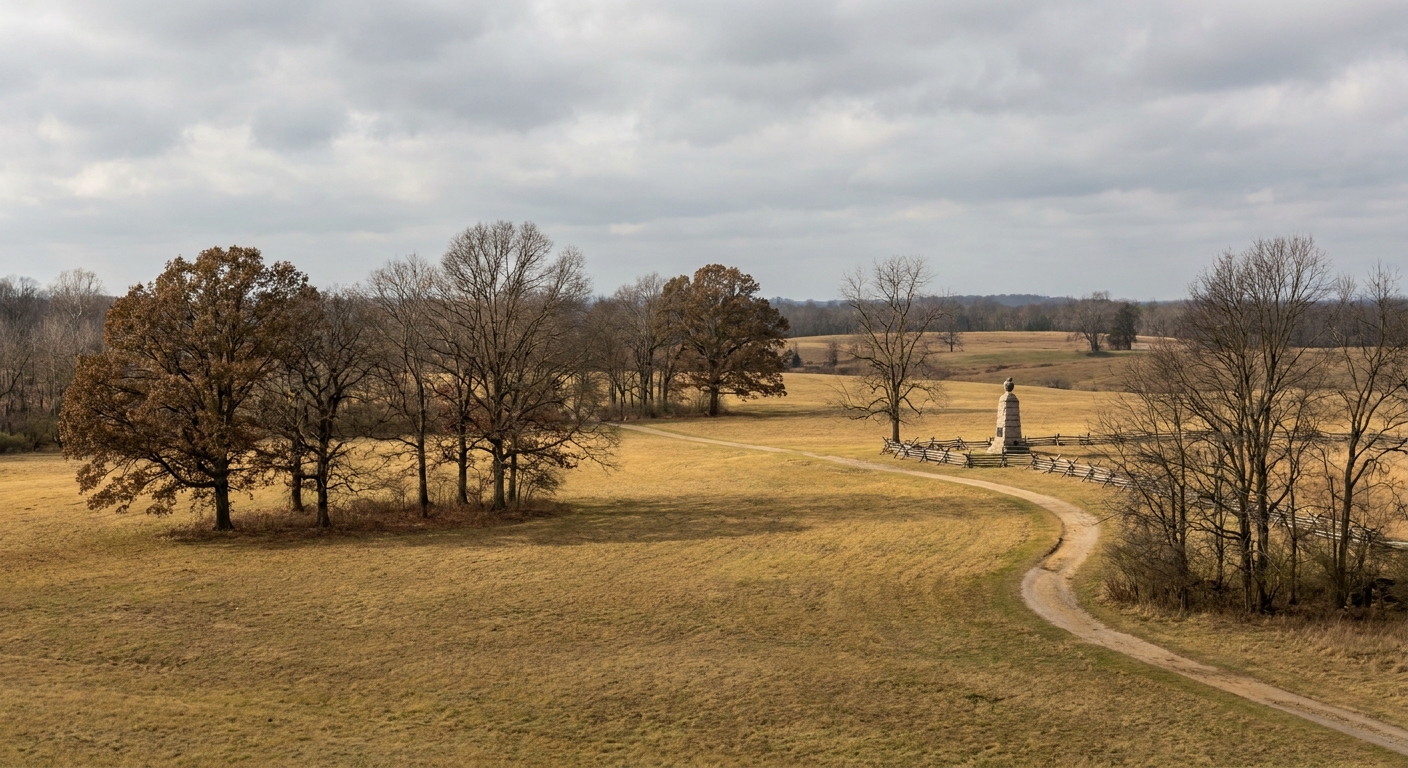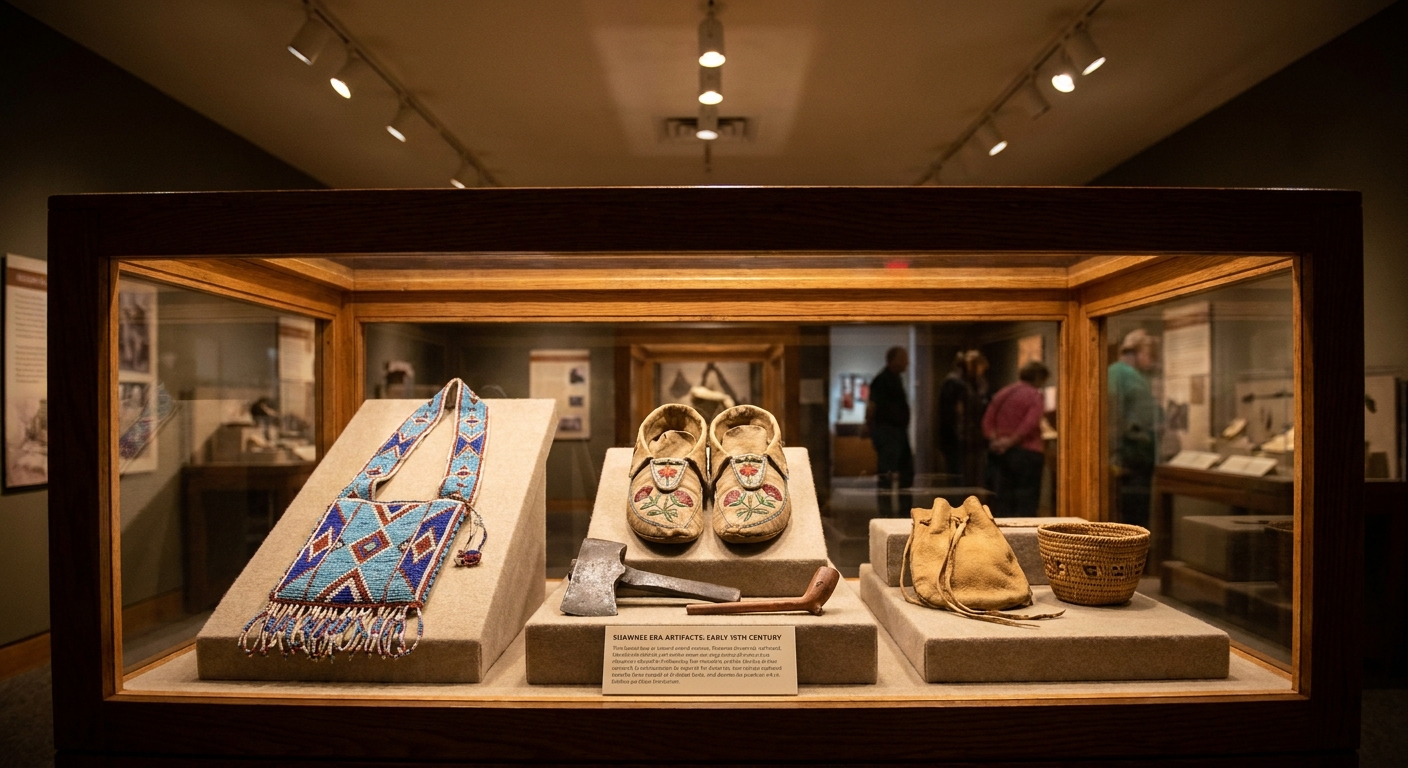

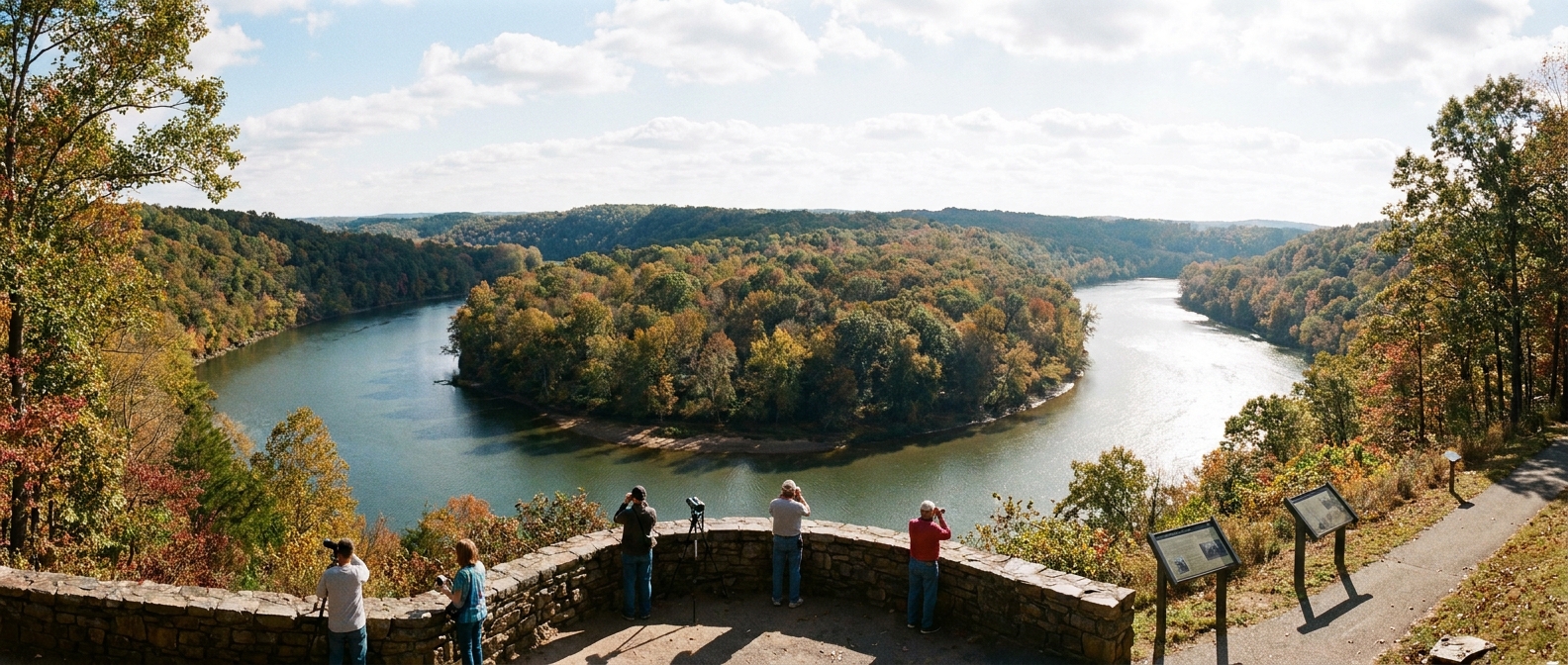
The first time I stood on the high ground above the Tallapoosa River’s tight loop, I tried to picture the soundscape of March 27, 1814: wet timber cracking under musket fire, smoke hanging low over cane and pine, and shouting that did not carry far because the riverbend itself keeps secrets. Horseshoe Bend is often told as Andrew Jackson’s breakout moment, a stepping stone toward New Orleans and national fame. But if you want the battle’s true weight, you have to follow the aftermath, straight into Creek homes, councils, and fields. That is where the impact landed, and kept landing, for generations.
Horseshoe Bend belonged to the War of 1812 world, even though it unfolded on the southern frontier. Many historians treat it as the climactic battle of the Creek War, a connected southern theater that ran during the War of 1812 years and alongside the same larger contest over territory, trade, and sovereignty. Here, the conflict braided together U.S. expansion, civil war within the Muscogee Creek world, and the hard choices of neighboring Native nations trying to survive a rapidly tightening vise.
What it decided
Militarily, Horseshoe Bend crushed a fortified position held by the Red Stick faction of the Creek, part of a wider civil conflict within the Creek Nation. Jackson’s force included Tennessee militia, U.S. regulars, and large contingents of Native allies, particularly Cherokee and Lower Creek warriors, with some Creek fighters aligned against the Red Sticks as well. Those allied Native forces were not a footnote. They were central to how the day unfolded.
The fight was bloody and close, and once the barricade was breached the killing became relentless. Accounts commonly describe Red Stick losses in the hundreds, with many more wounded or captured. Some people tried to swim the river under fire. Some fled into the woods. Others were taken prisoner and faced a future shaped by hunger, displacement, and the hard arithmetic of a shrinking homeland.
In the simplest textbook telling, the battle “ended the Creek War.” In the lived reality, it decided something broader: it gave U.S. officials and settlers the leverage to redraw the map of the Southeast at speed, using the language of peace to formalize a massive transfer of land. It also shattered the political balance inside Creek society between towns and factions, and it accelerated a forced pivot toward new survival strategies.
If you have ever wondered whether Horseshoe Bend “counts” as part of the War of 1812, this is where I land. Yes, not because it happened near Canada or the coast, but because it unfolded inside the same war years and the same larger contest over territory and sovereignty. On northern frontiers, the United States fought for border security and supply lines. In the South, it fought for cotton land, river corridors, and the removal of Native power from the interior. Horseshoe Bend served those goals in one blow.
If you want a broader tour of how individual fights fit into the wider conflict, our Battles guide is a good jumping-off point.
Fort Jackson and land loss
The immediate political consequence was the Treaty of Fort Jackson, signed in August 1814. This is where the battle’s “lasting impact” stops being an abstract phrase and becomes acreage, boundaries, and dispossession.
Under the treaty, the Creek Nation was forced to cede about 23 million acres of land to the United States, spanning large portions of present-day Alabama and Georgia. What still stings when you read the terms closely is that it was not limited to Red Stick towns that had taken up arms. The cession included territory belonging to Creek communities that had fought alongside Jackson or tried to remain neutral. In other words, the treaty punished the nation as a whole.
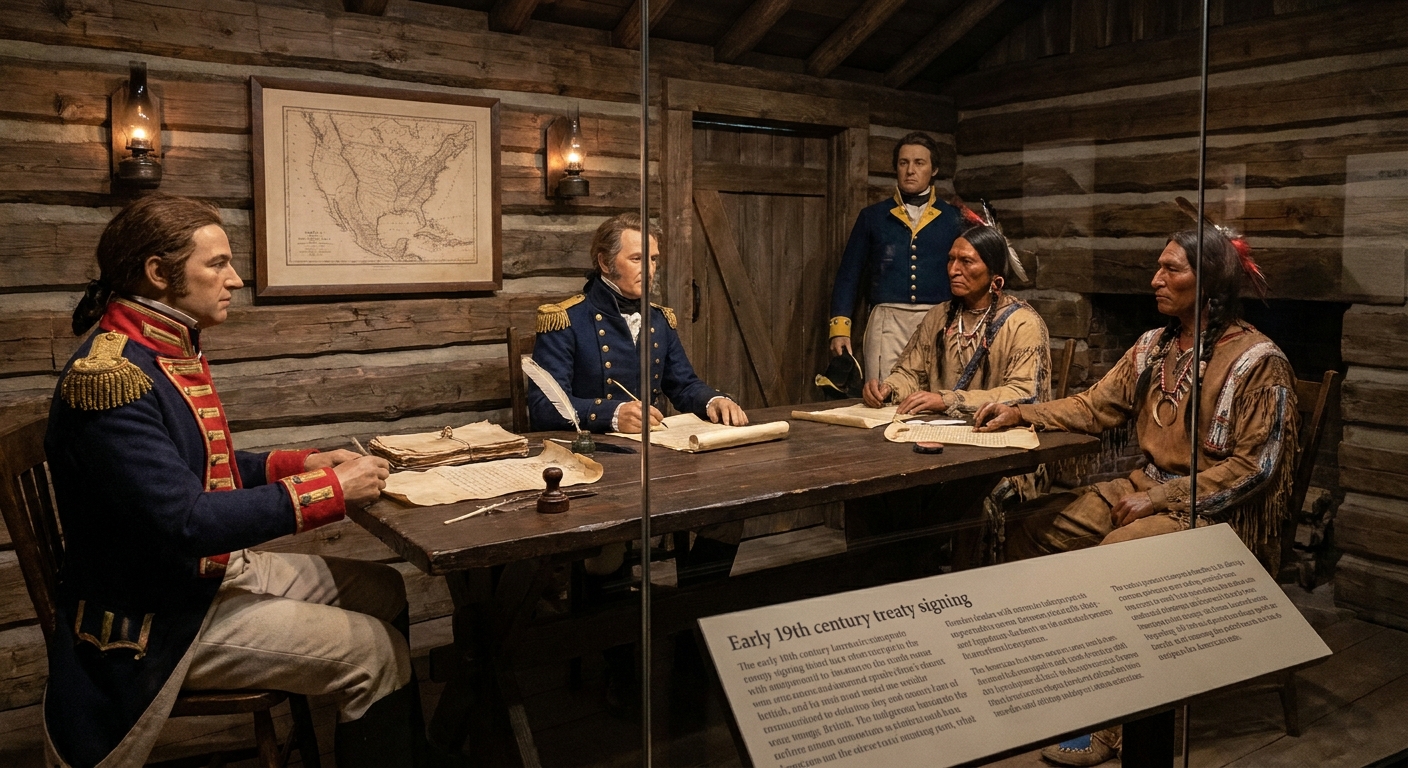
That detail matters because it helps explain what came next: deepened internal fractures and a crisis of legitimacy. If alliance with the United States could not protect Creek land, then what was the alliance worth? And if resistance brought catastrophe, what form could resistance take next?
Land loss was not just economic. It was spiritual and social. Creek towns were tied to particular places through burial grounds, ceremonial sites, and the seasonal logic of hunting and planting. Taking away the land took away a great deal of what made “nation” feel real day to day.
For readers keeping a timeline in their head, the Timeline guide can help anchor where Horseshoe Bend and Fort Jackson fall in relation to the northern and coastal campaigns.
After the fighting
The aftermath did not stay on the battlefield. It moved through families. Survivors who escaped the bend still had to eat, still had to find their children, still had to decide whether to return to burned towns or risk moving into unfamiliar country. The treaty’s promises and the reality on the ground were not the same thing. In the months that followed, many Creek communities faced scarcity, dislocation, and a grinding uncertainty about where, exactly, they were allowed to exist.
It is easy to summarize this as “defeat.” It felt, for many people, like a world being made smaller one day at a time.
Creek politics after defeat
After Horseshoe Bend, the Creek world did not simply “submit.” It reorganized under duress. The Red Stick movement had already been a sign of political stress, in part a reaction against mounting U.S. pressure and a debate about how to live in a transformed economy. The defeat did not erase those arguments. It settled them with force, then scattered the survivors across a shrinking homeland.
Three major shifts followed:
- A scramble for authority. Leaders who had opposed the Red Sticks, and leaders who had survived despite supporting them, both faced communities demanding protection and answers. The U.S. government often preferred dealing with figures it considered “reliable,” and that outside preference could warp internal legitimacy.
- Increased dependence on U.S. agents and forts. Once the land base shrank and the frontier filled with settlers, the old geography of autonomy was gone. Negotiation, petitions, and attempts at legal recognition became tools of survival, but also channels for manipulation.
- Factional memory. Horseshoe Bend left behind not only graves but a story about who fought whom, and why. Those memories did not fade quickly. They shaped marriage ties, town alliances, and the way later treaties were debated.
When people ask why later removals could happen even after some Creek leaders tried cooperation, this is part of the answer. Horseshoe Bend made cooperation look less like a shield and more like a leash.
Pressure to change
Another lasting impact is harder to put on a map: the intensified push for cultural change. In the years after the treaty, Creek communities faced growing pressure to adopt American-style agriculture, property concepts, and schooling. Some Creek families and leaders pursued selective adoption as a strategy, hoping that demonstrating “civilization” would secure a future on remaining land. Others saw the same changes as a slow surrender of identity.
Either way, the pressure became more relentless because the military outcome at Horseshoe Bend gave U.S. officials confidence and leverage. A defeated nation has fewer bargaining chips. And with millions of acres now open to settlement, the pace of encroachment increased. New neighbors meant new courts, new debts, new fences, and frequent violence that rarely made it into the tidy summaries.
It is also worth naming what “cotton land” meant on the ground. The expansion that followed depended heavily on enslaved labor, and the wealth created from the newly opened acres helped lock slavery more firmly into the region’s economy and politics. For Creek communities, that combination, land hunger backed by state power and an extractive plantation system, made the post-treaty frontier feel less like a border and more like a moving wall.
It is important to say plainly that “cultural shifts” were not just ideas changing in the abstract. They were often responses to hunger, displacement, and the daily reality of living in a place where your political power had been drastically reduced.
Jackson’s rise
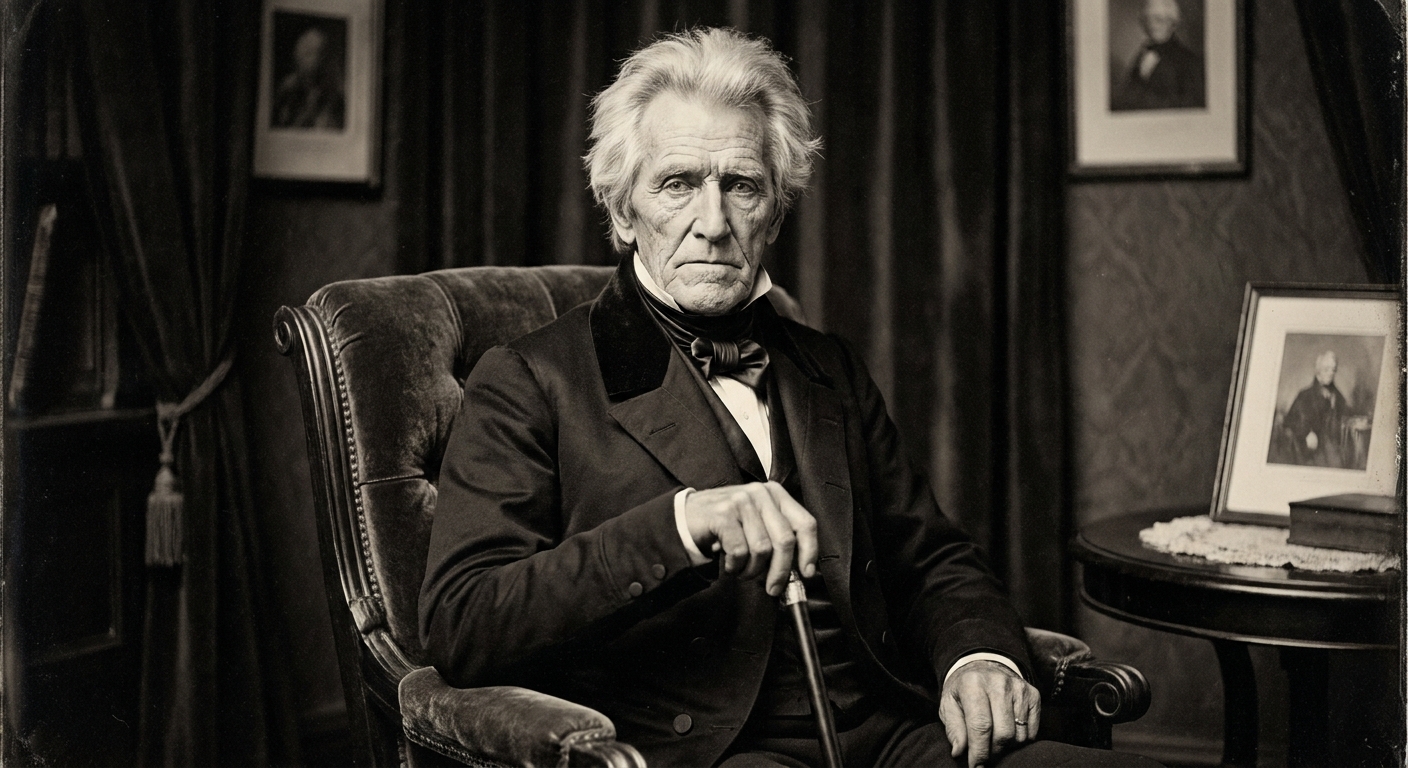
Horseshoe Bend made Jackson a national figure in a way that a frontier officer rarely becomes. That mattered because Jackson’s personal trajectory soon intersected with federal Indian policy at the highest levels.
After the battle, Jackson’s influence in the South grew quickly. He became a key military and political actor, and the logic he used at Horseshoe Bend, decisive violence followed by sweeping demands, foreshadowed his later approach to Native nations more generally.
From a Creek perspective, this is the bitter irony: Horseshoe Bend was not just a defeat on one day. It helped elevate a man whose future power would shape removal policy and the broader national mood that treated Native land as negotiable and Native sovereignty as temporary.
If you are exploring the people behind these campaigns, our People guide collects background reading across the era.
From treaty to removal
Horseshoe Bend did not cause removal all by itself. But it shortened the road. Once the Creek land base was carved down, the remaining territory became easier to target, easier to surround, and easier to portray as “inefficiently used” by politicians hungry for cotton profits and settler votes.
Over the next two decades, new treaties, state pressure, and illegal settlement continued to squeeze the Creek. The endpoint, for many, was forced migration west during the removal era. When people talk about the Trail of Tears, they often picture Cherokee suffering, and they should. But Creek families were also driven west under brutal conditions, and the chain of events leading there runs right through 1814.
One reason I keep coming back to Horseshoe Bend is that it shows how quickly a battlefield victory becomes paperwork, and how quickly paperwork becomes uprooted lives.
What endured
It is tempting, when a story includes defeat and land loss, to write an ending that feels final. Creek history did not end at Horseshoe Bend. It continued in new forms: rebuilding towns, preserving language and ceremony under pressure, and carrying community identity across forced moves and fractured geographies.
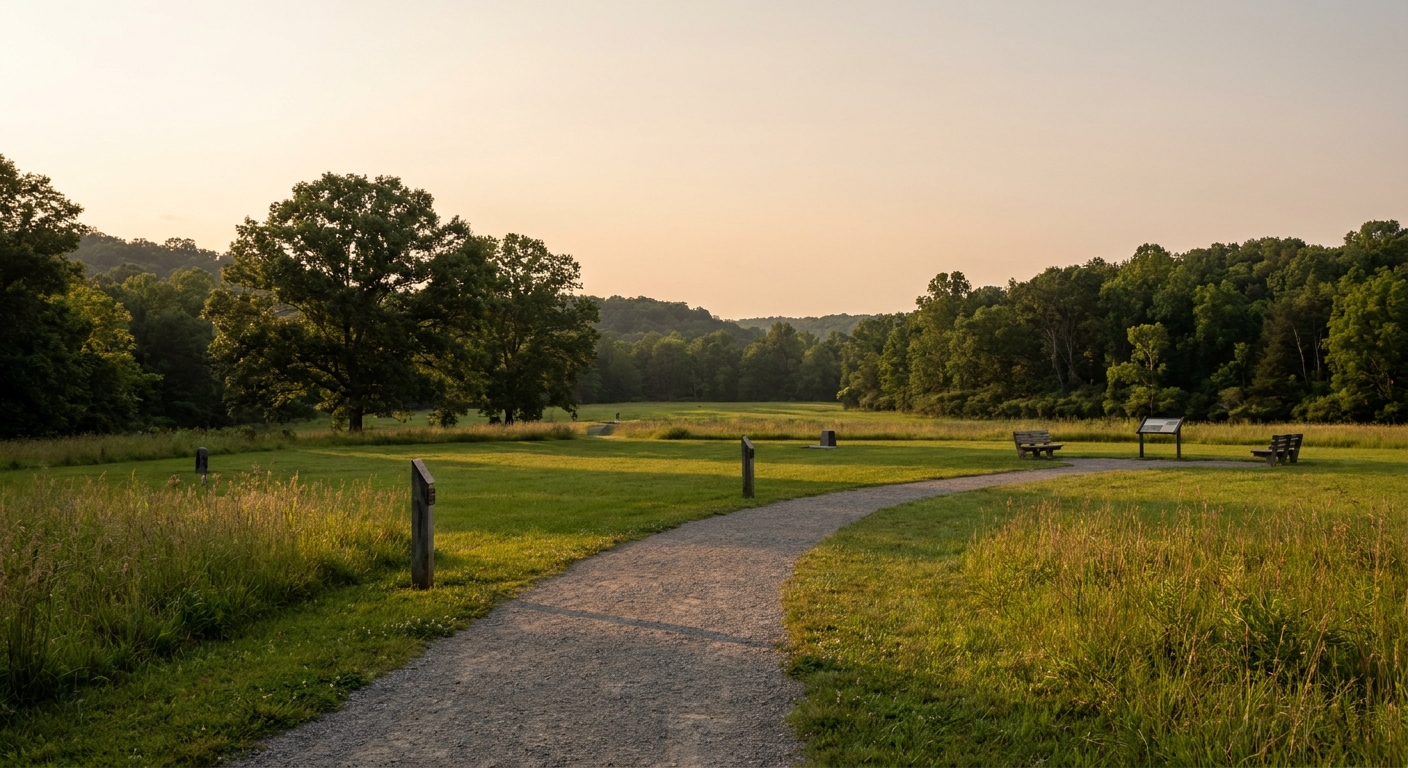
The lasting impact of Horseshoe Bend on the Creek Nation includes tragedy, yes, but also survival. Survivors adapted, argued, negotiated, and resisted in ways that do not fit neatly into a single moral lesson. If you walk the ground today, the river is still doing what rivers do, bending and folding the landscape into itself. The human story is not so gentle. But it is still there, if you listen for it.
For more on how we approach the human side of this era beyond the usual highlights, you can also browse the broader site map at Read a War of 1812 site map.